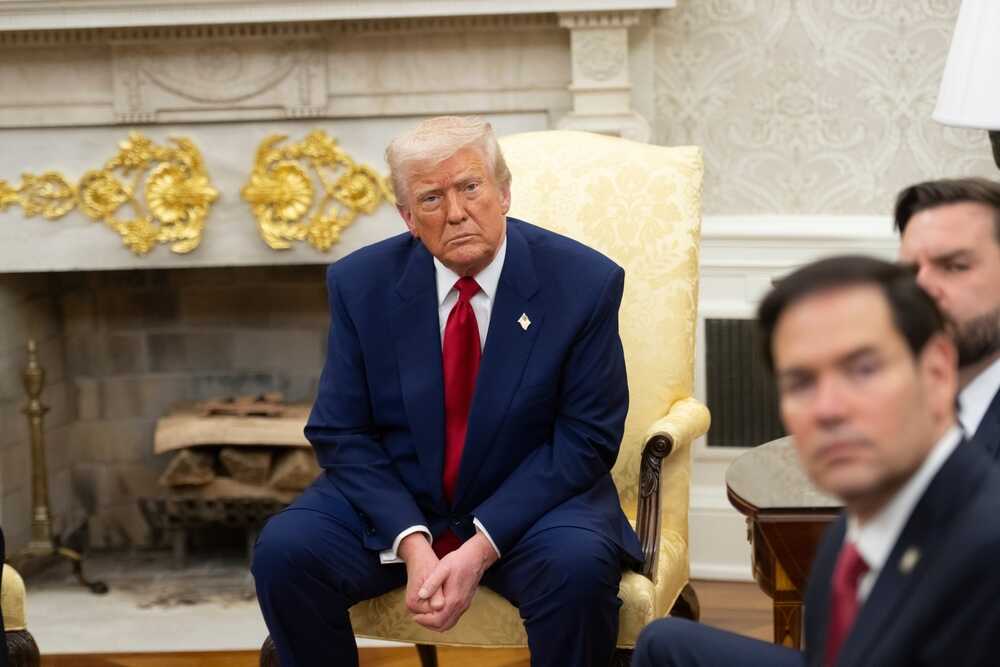
President Trump’s official financial disclosure shows he earned over $1.4 billion from cryptocurrency ventures in 2025 — making crypto his single biggest income source while he shapes the nation’s digital currency policy.
Story Highlights
- Trump’s 2025 financial disclosure, released June 30, 2026, shows over $1.4 billion in crypto income — his largest income source for the year.
- He earned roughly $635 million in royalties from “Celebration Coins” and $515–$525 million from World Liberty Financial token sales, a crypto firm he co-founded with his sons.
- The White House says Trump’s assets are managed by a trust run by his children, and that no conflicts of interest exist.
- More than 200 Trump administration officials also hold crypto investments in industries their agencies now regulate.
What the Disclosure Actually Shows
The U.S. Office of Government Ethics released Trump’s 927-page financial disclosure on June 30, 2026. It shows Trump earned over $1.4 billion from crypto ventures last year. That figure breaks down into two main streams: roughly $635 million in royalties from “Celebration Coins” through a licensing deal with CIC Digital LLC, and between $515 and $525 million from World Liberty Financial token sales — a crypto company he co-founded with his sons Eric and Donald Jr.
The disclosure also shows Trump actively traded stocks in major companies — including Nvidia, Microsoft, Netflix, and Exxon Mobil — during 2025. His total reported income for the year topped $2.2 billion. Trump has said he does not take a presidential salary, and the White House says his assets are managed independently through a trust run by his children, with no direct role for Trump in investment decisions.
Trump’s Position and the Legal Framework
Federal conflict-of-interest laws do not apply to the president or vice president. That legal gap has existed for decades. Most past presidents chose to sell assets or set up blind trusts anyway — to avoid even the appearance of a conflict. President Jimmy Carter famously sold his peanut farm. The Trump administration has taken a different path, keeping holdings in place and relying on the argument that a family-managed trust removes any direct conflict.
Trump signed an executive order in January 2025 directing federal agencies to support American leadership in digital financial technology. His administration has also placed crypto-friendly appointees at the Securities and Exchange Commission (SEC) and the Commodity Futures Trading Commission (CFTC). The White House says these actions benefit all Americans, not just the president personally. No document in the disclosure directly links a specific policy decision to a specific financial gain for Trump.
Critics Raise Questions, but Evidence Has Limits
Former White House lawyer Ty Cobb said in a CNN interview that he does not believe Trump’s crypto income is legal and raised potential Emoluments Clause concerns. Economist Natasha Surin noted that most government officials are barred from investing in sectors they regulate — though that rule does not legally apply to the president. These are serious questions worth watching, but neither critic has produced a document trail proving Trump personally directed investment decisions or that a specific policy was changed to boost his holdings.
President Trump’s income ballooned to $2.2 billion in 2025, with $1.4 billion coming from various new cryptocurrency-related businesses.
Ethics experts say Trump is flouting the Constitution’s emoluments clause and Congress has chosen to not enforce it. https://t.co/VZbLclZJFN
— EmmaJeanKitty 🐱💙🇺🇸🌻🇺🇦😎🌊🇨🇦 (@EmmaJeanKitty) July 2, 2026
A ProPublica database shows more than 200 Trump administration officials collectively held between $175 million and $340 million in crypto assets when they filed their disclosures. Some of those officials now work in roles that shape digital currency policy. That broader picture adds weight to calls for clearer ethics rules — rules that apply to the president and the whole administration, not just lower-level staff. Congress has not moved to close the presidential exemption, and the Republican-controlled House is unlikely to launch an investigation into the matter.
Why This Story Matters for Every American
Transparency is a conservative value. The fact that Trump filed a disclosure at all — a 927-page document made public — is the system working as designed. But the scale of the numbers is hard to ignore. When a sitting president earns over a billion dollars from an industry his administration is actively shaping through policy, the public deserves to know the full picture. The trust structure may be legal, but “legal” and “above scrutiny” are not the same thing. Americans on both sides of the aisle have a stake in knowing their president’s financial interests do not drive national policy.
Sources:
washingtonpost.com, facebook.com