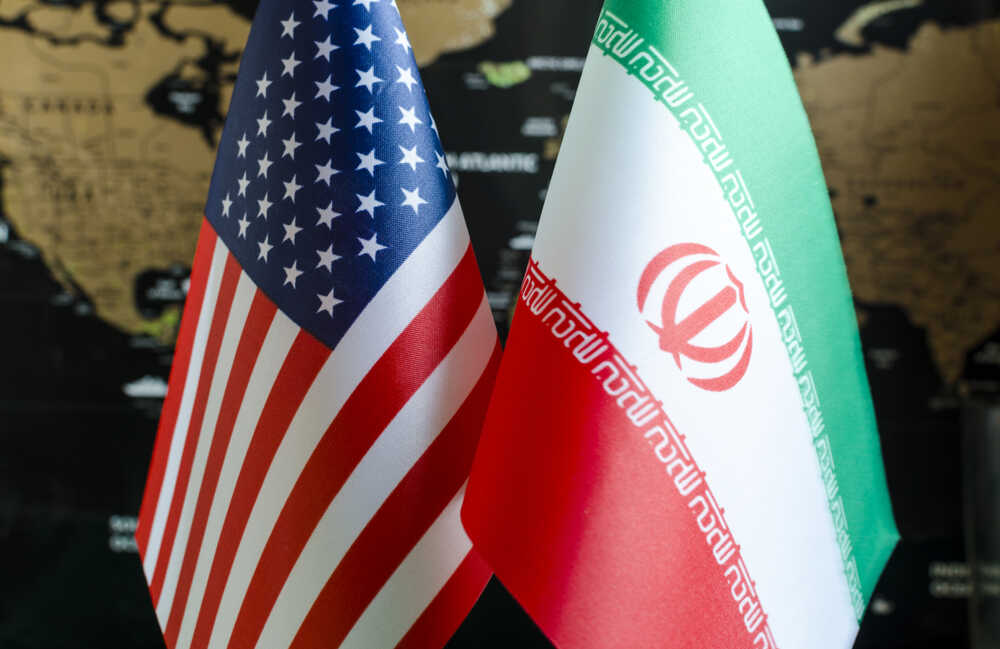
Iran now claims upcoming technical talks with the U.S. are “off the table,” even as evidence shows detailed nuclear negotiations are quietly moving forward behind the scenes.
Story Snapshot
- Iran’s Foreign Ministry publicly denies plans for new talks, blaming U.S. support for Israel and “unreasonable demands.”
- Iranian leaders still admit indirect negotiations and a shift into a detailed “technical phase” on sanctions and nuclear limits.
- U.S. and Pakistani officials say technical groups are set to reconvene, creating a clash of stories over what is really happening.
- This fog of claims and counterclaims matters for American security, energy prices, and the risk of another Middle East war.
Iran’s public denial: talks called “meaningless” and blocked by U.S. policy
Iran’s foreign ministry is telling the world that nuclear talks with the United States are not really moving ahead. Spokesperson Esmaeil Baghaei has said dialogue is “pointless” as long as Washington backs Israeli strikes on Iranian territory, arguing you cannot claim to negotiate while allowing attacks on Iran’s soil.[6] Other comments from Iranian officials echo this line, tying any future talks to lifting all U.S. sanctions and ending what they call “unreasonable demands.”[3][4] For Americans, this is a familiar pattern: Tehran blames U.S. policy to gain sympathy abroad, while still keeping options open.
These public denials also serve Iran’s internal politics. Reports describe strong voices inside Iran insisting their nuclear “rights” are non‑negotiable, especially the right to enrich uranium at home.[2] Hard‑line leaders use this to paint any compromise as surrender. By casting talks as stalled or “meaningless,” the foreign ministry can calm those factions while still signaling to outside mediators that Iran is not walking away forever. That doublespeak makes it harder for ordinary Americans to see what is truly happening behind the scenes.
Behind closed doors: indirect talks and a “technical phase” on sanctions and nukes
Despite the harsh public tone, Iranian officials have admitted that indirect talks with the United States continue through regional go‑betweens. In Geneva, the foreign ministry’s spokesperson said negotiations had entered a “technical phase,” with experts going line by line through details of sanctions relief and nuclear commitments.[9] He explained that this step means both sides are now reviewing how limits on enrichment, inspections, and sanctions rollback would work in practice. This kind of technical work does not happen unless there has already been basic agreement on a framework.
Earlier, state‑linked outlets in Tehran reported that negotiators would resume “technical level” talks after two exploratory rounds, again stressing that the subject from Iran’s point of view is strictly the nuclear program and sanctions.[7] Iran’s foreign minister Abbas Araghchi has also said Iran is ready to re‑enter nuclear discussions as long as talks are “fair and just,” while adding that no direct meeting with U.S. officials has yet been scheduled and that negotiations cannot occur “under threat.”[5] Together, these statements show that while Iran slams the U.S. in public, its diplomats are still working through the fine print of a possible deal.
Clashing narratives: Iran says “no talks,” others say “talks on track”
Outside Iran, officials and media tell a different story about the status of technical talks. Pakistani and Arab outlets have quoted foreign offices saying expert‑level discussions between Washington and Tehran are “proceeding” and expected to resume after brief pauses.[4][6] These reports speak of technical teams working on inspection rules, sanctions steps, and timelines. They stand in direct contrast to Iran’s claim that no talks are planned, underscoring how each side shapes the story to its own audience. This kind of contradiction has been common in U.S.–Iran diplomacy for decades.[11]
For American conservatives, this clash raises clear concerns. If Iran is denying talks while still pushing its nuclear program and using regional proxy groups, then any quiet deal risks rewarding bad behavior and repeating the mistakes of the old nuclear agreement.[2][15] Technical talks that focus narrowly on enrichment and sanctions, without firm limits on missiles and terror networks, would leave Israel and U.S. forces exposed. It would also keep pressure on global oil markets, driving up energy costs for American families. Iran’s mixed messaging should be a warning sign, not a reason to relax.
Why this matters for U.S. security, energy, and constitutional oversight
The way Iran and the U.S. handle these talks will shape key issues for American citizens. Analysts have warned that stalled nuclear diplomacy, combined with naval standoffs in the Strait of Hormuz, increases the chance of miscalculation and wider war.[13] Iran has threatened to disrupt oil shipping and used proxy forces in places like Gaza, Lebanon, Syria, Iraq, and Yemen to hit U.S. interests.[15] At the same time, past “maximum pressure” campaigns and rushed sanctions deals have not fully stopped Iran’s nuclear advances.[14] That history demands close scrutiny of any new technical agreement.
https://twitter.com/AlexiaNoel94927/status/2071551112520351892
For conservatives, there are two main risks. First, a weak technical deal could trade away leverage for short‑term calm, leaving Iran’s nuclear and missile programs mostly intact while unlocking billions in relief.[3][11] Second, if these talks move ahead through back channels and foreign intermediaries, Congress and the American people may be sidelined from key decisions on war, peace, and sanctions. Strong constitutional oversight is needed to ensure that any agreement truly defends U.S. security, backs allies, protects energy stability, and does not repeat the failures of past secretive deals with hostile regimes.
Sources:
[2] Web – Iran foreign minister signaled readiness for deal in call with US – …
[3] Web – 2025–2026 Iran–United States negotiations – Wikipedia
[4] YouTube – Iranian foreign minister says they “have every right” to “nuclear …
[5] Web – The technical talks between the United States and Iran are …
[6] Web – Iran’s Foreign Minister Says Significant Progress Made in Iran–US …
[7] Web – The Foreign Office said on Wednesday that technical talks between …
[9] Web – US-Iran technical talks set to resume next week: Rubio – TRT World
[11] Web – New Iran Talks Set for Next Week As US Builds Up Forces
[13] Web – Vance says Iran to let international nuclear inspections resume after …
[14] Web – Trump denies being ‘under pressure’ to make Iran deal ahead … – BBC
[15] Web – Iran war: What does Tehran expect from fresh talks with US? – DW.com