
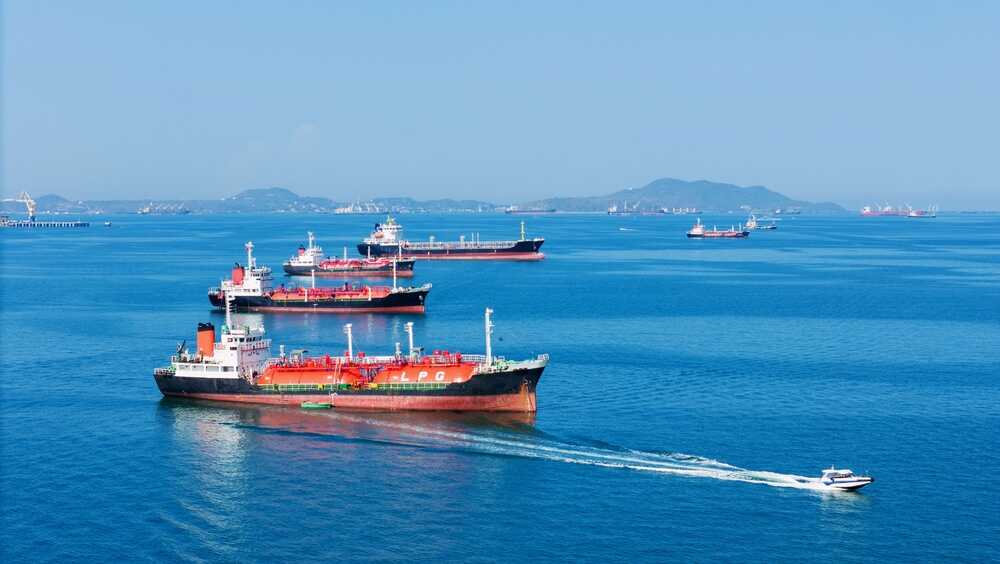
Global unions and shipping firms now treat the Strait of Hormuz like an active war zone, keeping tankers idle even as Washington and Tehran talk ceasefire and reopening.
Story Snapshot
- International unions have formally labeled the Strait of Hormuz and nearby waters a **Warlike Operations Area**, upgrading it from a High Risk zone because of rising attacks and threats.
- Iran’s Islamic Revolutionary Guard Corps has warned ships not to transit and has closed the strait to vessels linked to the United States, Israel, and their allies, helping drive tanker traffic toward zero.
- President Trump’s team has secured a ceasefire framework with Iran that includes reopening Hormuz, but unions and maritime advisers say the risk to crews and cargo is still “critical.”
- Seafarers under union contracts can refuse voyages through Hormuz or demand 100% war bonuses, increasing pressure on shipowners and global energy supplies.
Unions Mark Hormuz as a War Zone Despite Ceasefire Talk
The International Transport Workers’ Federation and its Joint Negotiating Group have declared the Strait of Hormuz, the Gulf of Oman, and the wider Persian Gulf a **Warlike Operations Area**, which is their highest danger label. This step upgraded a High Risk Area tag issued only days earlier, and the unions say they acted because of “continuing and heightened threat” to ships and crews in the region. Under this war zone label, union contracts give seafarers strong rights and extra pay when sailing through these waters.
Under International Bargaining Forum agreements, crews covered by these unions can refuse to sail into the Warlike Operations Area without losing their jobs, or they can choose to sail and receive a 100% bonus on their basic wage for the transit. Compensation for death or disability is doubled, and shipowners must arrange safe repatriation for those who decline the voyage, putting real costs and logistics burdens on companies. For conservative readers, this means labor committees, not elected governments, are partly steering global energy flows.
Iranian Threats and Confirmed Attacks Drive Shipping Shutdown
Legal and maritime advisories since late February 2026 report joint United States and Israeli strikes on Iran, the killing of Iran’s Supreme Leader, and a wave of Iranian retaliation aimed at shipping. By mid-March, Iran’s Islamic Revolutionary Guard Corps had carried out 21 confirmed attacks on merchant ships and publicly announced closure of the Strait to vessels going to and from ports in the United States, Israel, and their allies. Tanker traffic through Hormuz dropped about 70% and then fell to near zero, turning a critical energy artery into a choke point.
Risk centers like the Joint Maritime Information Centre have rated the Persian Gulf’s security status as “critical,” warning that attacks on shipping are likely. French registry guidance and other advisories describe maritime traffic in the strait as “effectively halted” and say Iranian authorities have explicitly threatened commercial vessels. This picture supports the unions’ war zone label, but many of these warnings are not fully backed by public incident lists, raising questions about transparency and how long this emergency status should last.
Trump’s Ceasefire Deal Collides with Union and Legal Risk Calculus
President Trump and his team have pushed hard to reopen Hormuz and calm energy markets. Reports from Axios, Scripps News, and others describe a framework deal between the United States and Iran that extends a ceasefire, lifts the United States naval blockade, and calls on Iran to reopen the Strait of Hormuz. A draft agreement says Iran will “instantly” reopen the strait while the United States removes its blockade, and Iran’s Supreme National Security Council has announced an end to military operations on multiple fronts.
Shipping lawyers caution, however, that war risk clauses in charterparty contracts still give shipowners the right to refuse orders into Hormuz if the master believes the vessel may face war risks. These clauses are triggered by “warlike operations” and hostile acts even without a formal declaration of war, and they are judged by facts on the ground at the time the voyage order is given. Given recent attacks, threats, and union warnings, many owners will likely keep treating Hormuz as unsafe until they see sustained calm, not just political promises.
Financial Incentives and Regulatory Capture Behind War Zone Label
The Warlike Operations Area label does more than warn seafarers; it changes money flows. Under union rules, ships crossing a Warlike Operations Area must pay 100% wage bonuses and offer doubled compensation for death or disability, and crews can decline the voyage while still claiming repatriation. That means unions and their members have a financial interest in keeping the war zone label in place, even if actual risk begins to decline after a ceasefire. Shipping companies face higher costs, which can pass through into fuel prices and consumer inflation.
Washington and Tehran intensified their diplomatic maneuvering as U.S. Envoys Steve Witkoff and Jared Kushner spoke with Qatari intermediaries in Doha, while reports suggest that the White House has reviewed plans for expanded military strikes. Iran's chief negotiator, Mohammad… pic.twitter.com/CIRM42z37C
— Jerusalem Dateline (@JlemDateline) July 1, 2026
The committee that sets these labels, the International Bargaining Forum Warlike Operations Area Committee, is made up of unions and shipping company representatives, with no clearly independent outside risk auditors. This “regulatory capture” concern matters because their decisions ripple through energy markets, insurance premiums, and ultimately what American families pay at the pump. For conservative readers, it reflects a broader problem: unelected global actors exercising power over trade routes that our Constitution expects Congress and the President to oversee.
Why Hormuz Matters for American Energy, Security, and Sovereignty
The Strait of Hormuz carries roughly 20 to 30 percent of the world’s daily oil supply, making it one of the most important energy chokepoints on the planet. When shipping through Hormuz stops or becomes too costly because of war risk premiums and union conditions, global oil prices jump and American families see it quickly in gas and home energy bills. The United Nations’ maritime agency has warned that ships and crews are being used as “leverage” in geopolitical disputes, turning them into bargaining chips between states.
Conservative Americans care about secure borders, affordable energy, and limited government, but this crisis shows another front: global unions and foreign regimes can squeeze our economy without ever passing a law in Washington. President Trump’s push to reopen Hormuz and extend the ceasefire aims to restore free commerce and stop bad actors from holding the world’s energy supply hostage. The key test ahead is whether hard facts on attacks and threats improve enough to roll back war zone labels, cut extra costs, and return control of vital trade routes to accountable governments instead of distant committees.
Sources:
insiderpaper.com, gcaptain.com, lloydslist.com, rif.mer.gouv.fr, nautilusint.org, facebook.com, instagram.com, youtube.com, axios.com, thehill.com, blogs.icrc.org