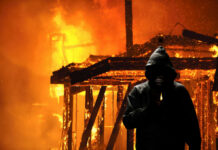
A human-caused wildfire has torched southern Utah, leaving families and a beloved ski community in ruins while officials still dodge straight answers about how it started.
Story Snapshot
- The Cottonwood Fire in Utah has been classified as human-caused and grew to tens of thousands of acres with zero containment in the early days.
- Governor Spencer Cox says there is a strong chance this is the most destructive wildfire in Utah history based on heavy property loss.
- More than 100 properties, including Eagle Point Resort, have been damaged or destroyed, wiping out homes, cabins, and local jobs.
- Federal Emergency Management Agency (FEMA) approved a grant to cover most firefighting costs, showing how severe and expensive this blaze has become.
A Human-Caused Blaze That Exploded Across Southern Utah
Officials in Utah have classified the Cottonwood Fire as **human-caused**, not the result of lightning or other natural forces. The fire started near Cottonwood Campground east of Beaver and then mushroomed across Beaver and Piute counties under dry conditions and strong winds. In just a short time, the blaze raced past 10,000 acres and then 27,000 acres, with firefighters reporting zero percent containment as they tried to protect nearby communities. One update from local media later put the size near 59,600 acres while it was still uncontained. Those numbers made it one of the largest active wildfires in the nation, a clear sign of how fast a single human mistake can put entire rural counties under threat.
While leaders agree people caused the fire, they have not settled on the exact spark. Some reports cite early investigation notes that point to an unattended brush pile as the likely trigger. Other official messages stress that the Cottonwood Fire is human-caused but say investigators are still working to nail down the precise ignition and circumstances. This gap between “human-caused” and “final cause” is typical in major wildfires. Fire teams often move quickly to warn the public that bad behavior or carelessness played a role, then spend weeks tracking evidence like burn patterns and witness statements to lock down the detailed origin. For everyday Utahns, the bottom line is simple: someone’s actions lit the match, and thousands of acres of forest and ranch land paid the price.
Families, Ranchers, and a Ski Resort Take the Hit
As flames swept across the hills, the Cottonwood Fire turned from a distant smoke plume into a direct hit on homes, cabins, and local businesses. Governor Spencer Cox said more than 100 properties had been damaged or destroyed, and that crews still needed time to complete full assessments. Eagle Point Resort, a key ski area and gathering place in southern Utah, suffered heavy structural damage and was reported destroyed by news outlets covering the scene. Tables summarizing the event now list more than 150 structures destroyed and damage costs for firefighting alone above 20 million dollars, with total losses likely far higher once property and economic impact are counted. Ranchers have reported finding dead cattle on burned grazing land, and Utah’s agriculture commissioner warned that recovery for livestock operations could take years. These are not abstract climate talking points; they are real hits to family land, small business income, and multi-generation rural life.
Governor Cox toured the burn area and did not mince words about what he saw. He stated there is “a very good chance this is already the most destructive fire in the state’s history.” That assessment is based largely on property loss rather than only acres burned. Utah has seen big fires before, but wiping out a ski resort community, dozens of homes and cabins, and large stretches of productive ranch land put Cottonwood in a different category. To be precise, officials still lack a final count of every destroyed structure, so they use terms like “potentially the most destructive” until assessments are complete. That kind of careful language may satisfy lawyers and bureaucrats, but for the families standing in front of burned foundations, the destruction is already painfully real.
Federal Help, Big Costs, and Questions About Prevention
The scale of the Cottonwood Fire forced the federal government to step in with money. The Federal Emergency Management Agency (FEMA) approved a Fire Management Assistance Grant for Utah, which can cover about 75 percent of eligible firefighting costs. That grant eases the strain on state and county budgets that must pay for crews, equipment, aircraft, and support operations. Even with that help, the fire’s suppression costs are already estimated above 20 million dollars, and that figure does not include rebuilding homes, businesses, and infrastructure. For taxpayers, especially those already angry about federal overspending, it is a harsh reminder that one careless act can trigger huge public bills. It also raises serious questions about how much focus governments put on basic prevention and personal responsibility compared with splashy climate talking points.
Context from past data shows Cottonwood is part of a wider pattern that should concern every property owner. In Utah, more than 75 percent of wildfires are human-caused, a trend that lines up with population growth and more people using dry lands for recreation, work, and travel. Studies of Western states show similar results, with debris burning, smoking, vehicles, and equipment often at the top of the list of ignition sources. National guidance from the National Interagency Fire Center stresses that investigators first separate natural versus human origin, then work backward through clues to find the exact cause. In other words, Cottonwood is not a freak event. It is the latest warning that when individuals treat fire safety lightly, communities lose homes, ranchers lose herds, and taxpayers everywhere foot the bill.
Sources:
science.nasa.gov, kutv.com, facebook.com, youtube.com, ksl.com, forestwatch.org