

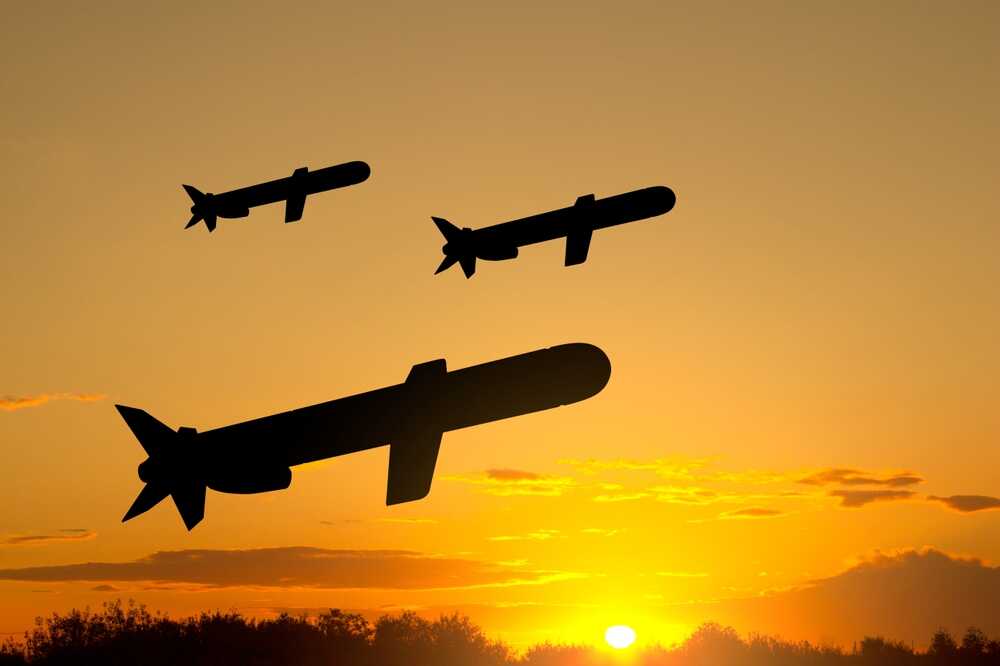
The United States Navy now has about 10,000 vertical launch cells, but it does not have enough missiles to fill them even once.
Quick Take
- The Navy’s missile magazines are smaller than the fleet’s launch capacity, creating a sharp readiness gap.
- Tomahawk buys have lagged behind wartime use for years, even as demand rose.
- RTX has now signed new agreements to expand Tomahawk production and push output above 1,000 missiles a year.
- Defense reporting says the shortage is tied to low buys, long lead times, and production bottlenecks.
Navy firepower and missile supply are out of balance
The Heritage Foundation says the Department of Defense has built warships with roughly 10,000 vertical launch cells, but the Navy does not have enough munitions to reload them once. That is a plain warning sign for any fleet that depends on missile firepower. The same analysis says the problem is not just ship count. It is the gap between launch capacity and the weapons sitting in storage.
Other reporting points to the same mismatch. Military.com said the Navy’s fleet has about 10,000 vertical launch platforms, but the service lacks enough missiles to fill those cells even once. A separate analysis said the Navy and other buyers have spent years burning through missiles faster than they were replaced, which left inventory under pressure before the latest surge in funding. For readers who want a strong defense posture, that is a serious warning.
Tomahawk procurement is finally surging
The Navy’s fiscal year 2027 budget request seeks $3 billion for 785 Tomahawk missiles, along with about $1.5 billion for Tomahawk modifications. That request marks a major jump from fiscal year 2026, when Congress approved funding for far fewer missiles. The service also asked RTX to help rebuild the industrial base, and the company said it signed five framework agreements with the Department of War to expand critical munition production.
RTX said the new agreements are meant to raise annual Tomahawk production to over 1,000 missiles. Navy Times reported that the company and the Pentagon tied that target to a long-term plan to ramp output over several years. That is welcome news, but it also confirms how far the system had fallen behind. A defense line that must scramble to rebuild after combat use is not a sign of surplus strength.
Production limits still threaten a fast rebuild
Even with the new push, analysts say the rebuild will take time. AEI argued that uneven demand has created bottlenecks in key parts, including rocket motors, and said the industrial base cannot surge quickly. The same analysis said low rates of production and long delivery times make it hard to restore older stock quickly. That matters because the Navy needs steady output, not just optimistic targets on paper.
⚡️ Don’t joke about fuel shipments to Crimea. We warned you.
Two fuel tankers carrying gasoline from Taganrog to Crimea were hunted down in the Sea of Azov; on land – two S-400 “Triumf” air defense systems, an oil depot burning in Kerch, and a Nebo-U radar.
During the night of… pic.twitter.com/lRCPJJ2wKz
— 414 Magyar's Birds (@414magyarbirds) July 6, 2026
Reporting also shows how low the recent procurement baseline was before the surge request. Military Times said the Navy bought 68 Tomahawks in fiscal year 2023, 34 in 2024, and planned just 22 for 2025 and 57 for 2026. By that measure, the new 2027 request is a sharp course correction, not a normal budget tweak. It reflects a simple fact: the fleet used the missiles, and the industrial base must now catch up.
What this means for taxpayers and deterrence
Tomahawk is a long-range, sea-launched cruise missile used by ships and submarines to strike land targets. It remains one of the Navy’s most important stand-off weapons, so a shortage reaches far beyond accounting. When inventory cannot keep pace with launch capacity, the danger is not only lower readiness. It is also weaker deterrence, because rivals study stockpiles as closely as they study ships.
That is why the latest production deal matters, but only if it delivers real missiles on real timelines. RTX says it can reach more than 1,000 Tomahawks a year. The Navy says it wants 785 more in fiscal year 2027. Those are big numbers, yet they also underline the core problem: the United States built a deep strike fleet faster than it rebuilt the magazine behind it.
Sources:
cbsnews.com, youtube.com, aei.org, rtx.com, militarytimes.com, britannica.com