
President Trump’s new Venezuela oil pact gives the United States guaranteed low-cost barrels to refill the Strategic Petroleum Reserve without burdening taxpayers, locking in energy leverage abroad and relief at home.
Story Highlights
- The United States secured rights to buy 20% of output from key Venezuelan fields at production cost to help refill the Strategic Petroleum Reserve (SPR).
- Reports say the pact links the U.S. to about one-fifth of Venezuela’s oil reserves through a long-term field package operated by a private partner.
- Venezuelan leaders claim they retain ownership and sovereignty, while U.S. officials stress stable supply and strategic control.
- Initial sales and targets signal rising flows that could add reliable barrels and reduce dependence on OPEC and hostile regimes.
What Washington Secured And Why It Matters
The White House says the agreement lets the U.S. Department of State buy 20% of production from all current and future fields under the private operator at production cost. Officials link this directly to refilling the Strategic Petroleum Reserve, which still sits well below full capacity after past drawdowns. This offtake right means cheaper, steady supply that is less exposed to market shocks or foreign pressure. For families, stable barrels help restrain price spikes when crises hit.
Reuters reporting describes a package that ties the United States to roughly a fifth of Venezuela’s oil reserves through a long-duration lease of 17 fields by a U.S.-linked private firm. That structure points to long-term operating access and scale, not just short-term cargoes. Scale matters. It supports steady flows large enough to influence markets and refill the Strategic Petroleum Reserve over time. It also signals to adversaries that the United States is serious about energy dominance again.
How The Deal Could Refill The Strategic Petroleum Reserve
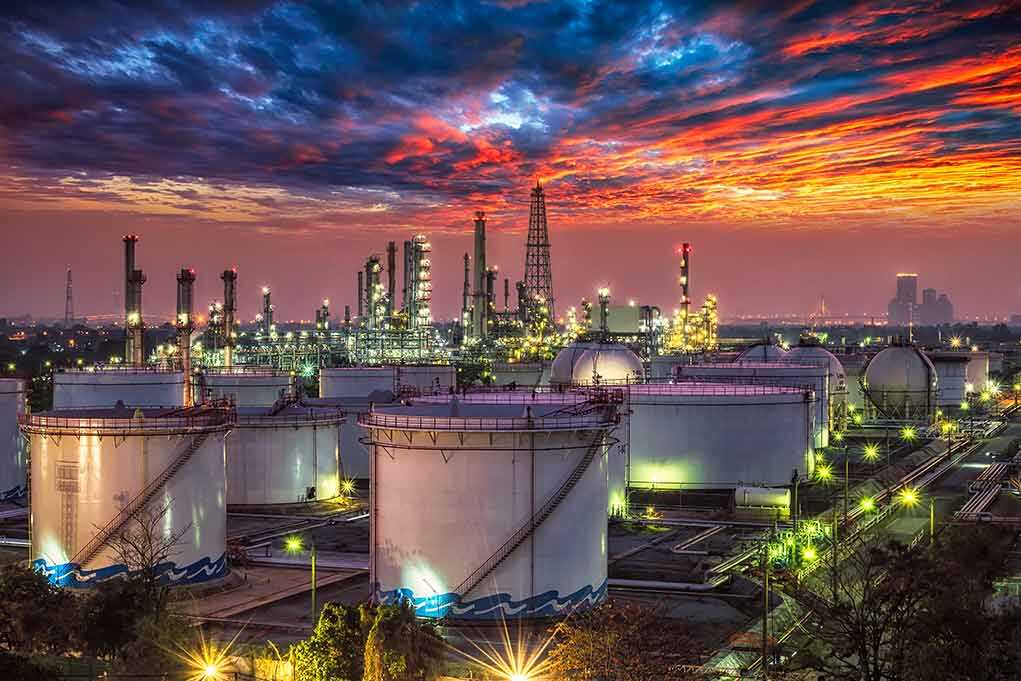
Energy agencies say the Strategic Petroleum Reserve can hold about 700 million barrels, with current levels closer to four hundred million. The new offtake right at production cost gives Washington a direct, budget-friendly pathway to rebuild stocks. That is different from paying full market price during a crunch, which past administrations did. Refilling with cheaper oil protects taxpayers and builds a stronger shield for national emergencies, storms, wars, or supply cuts by foreign cartels.
Officials and press accounts point to near-term volumes already moving under separate, earlier sales and to targets of tens of millions of barrels in the early phases. Those flows set the baseline for more as field work ramps. The point is predictability: reliable barrels arriving each month make planning easier and keep the Strategic Petroleum Reserve rebuild on track. That reduces the risk of future price shocks and shields Americans from energy blackmail by unstable or hostile producers.
Sovereignty Claims And What “Control” Really Means
Venezuela’s interim leader says the country retains ownership and sovereignty over its resources, and some accounts describe a 25-year term rather than a century. Legal analysts add that operational influence and supply rights do not equal formal transfer of the nation’s subsurface title. Those claims show the usual tension in resource deals: title can stay local while partners gain real leverage through board seats, equity, leases, and offtake. For U.S. consumers, barrels matter more than legal labels.
Analysts also note unanswered questions about some contract details, which is common in complex state deals. But the core facts are firm enough to track: the United States has a cost-based right to 20% of production from the covered fields and a pathway to steady supply. That is the practical win. It strengthens national security, counters foreign influence, and helps restore an emergency buffer that past policies let run down. Energy independence is not a slogan; it is secured one reliable barrel at a time.
Sources:
youtube.com, reuters.com, whitehouse.gov