

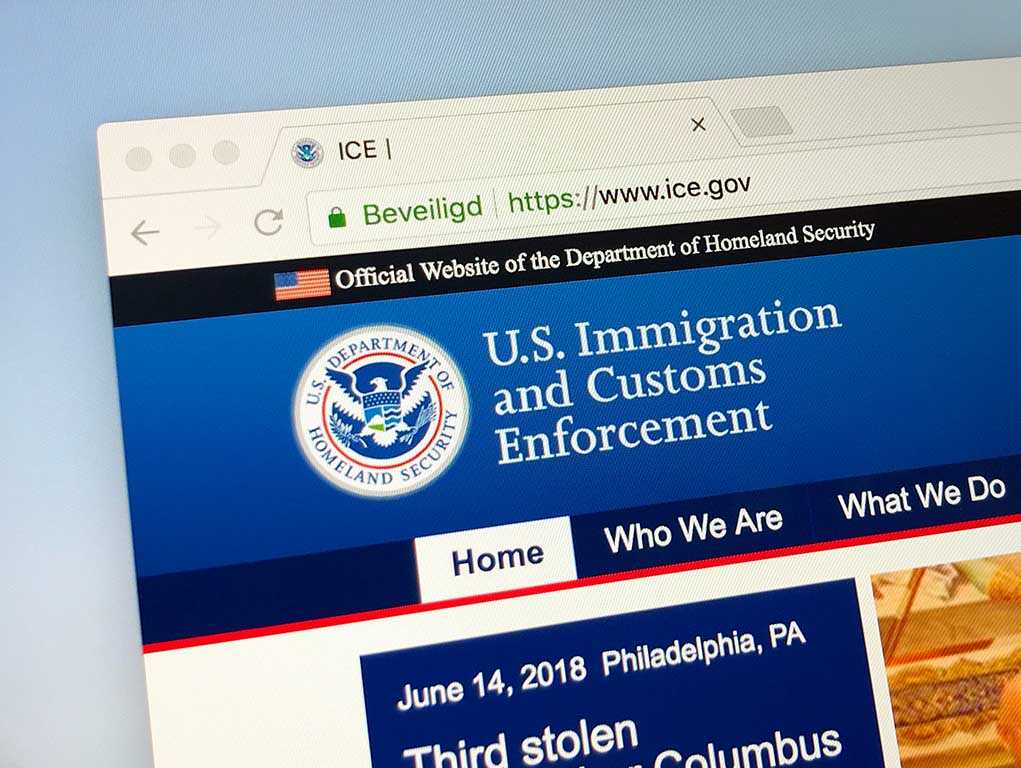
Immigration and Customs Enforcement removed people with final deportation orders from its public locator, making it harder for families and lawyers to find them, even as rights groups ask a United Nations panel to intervene.
Story Highlights
- ICE dropped final-order detainees from its public locator on Sept. 15, according to reporting.
- Advocates asked a U.N. panel to help end the practice, citing access-to-counsel risks.
- DHS says detainees are not “disappeared” and can still reach family and lawyers.
- Exceptions in several cities show the change is a discretionary policy, not a system bug.
What Changed In ICE’s Locator And Who It Affects
Associated Press reporting says Immigration and Customs Enforcement removed detainees who have final orders of removal from the Online Detainee Locator System on September 15. Current and former officials, quoted by name of agency but not individually, described the change and its impact. The removal applies to people already ordered deported by an immigration court. That means the public tool no longer shows many of their locations, which makes quick contact and legal checks harder for families and counsel.
Coverage also notes the change is not universal. Reports say facilities in Minneapolis, New York City, Chicago, and Adelanto, California, still appear as exceptions. That detail points to a policy choice rather than a strict technical failure. It shows officers can opt to keep some locations visible. Consistent rules matter in any civil detention system. Uneven rules confuse families, slow lawyers, and reduce outside oversight when minutes often decide whether a last filing reaches a judge.
Why Advocates Went To A United Nations Panel
Human rights groups asked a United Nations panel to help end the new practice. They argue hiding locations for people with final orders blocks urgent legal help and keeps families in the dark. Their request frames the issue as more than a software tweak. It is about access to counsel and notice. While that body cannot direct U.S. policy, outside pressure can raise costs for opaque moves. The filing underscores how fast deportations can proceed when contact tools get limited.
Lawyers quoted in coverage say the change can speed removals because last-minute legal challenges often depend on finding a client fast. If a person’s name no longer appears, attorneys lose time calling hotlines and facilities. That delay can make the difference between a lawful review and a plane ticket. The point is not to halt every removal. It is to keep a fair process. Good enforcement uses clear rules that allow counsel to reach clients, even if the final result remains removal.
What The Government Says And How To Square The Claims
The Department of Homeland Security says detainees are not “disappeared.” The agency says people can still call family and lawyers from detention and that the proper outcome after a final order is removal. It also points to due process standards that the government must follow. Those statements stress that the locator still exists and that relatives, lawyers, and the media can use it. The dispute centers on which people appear in that tool and when.
Two facts can be true at once. People can have phone access, and the public may still struggle to find them fast without the locator. Immigration and Customs Enforcement’s own legal-access guide lists the Online Detainee Locator System as the way to locate detained people. When the agency removes a large group from that system, it changes how the public verifies location. Clear, posted rules would reduce confusion here. A simple notice explaining scope, timing, and contact steps would help.
How Many People Could Be Affected And Why It Matters Now
Reporting cites thousands of affected detainees with final orders among the broader detained population, with July data showing nearly sixteen thousand such cases out of more than sixty-five thousand total detainees. The exact count removed on September 15 is not established in the public record provided. The scale still matters. Even a few thousand removals from the locator can swamp hotlines, delay lawyers, and leave families scrambling for updates in a tight window.
‼️ ICE is quietly removing thousands of people with final removal orders from its online detainee locator system. Without data transparency, the agency will continue to operate in the shadows, and behind closed doors. This must end.https://t.co/SBxF9iPT7j
— Vera Institute of Justice (@verainstitute) September 29, 2026
For readers who want secure borders and fair process, the path forward is simple. Keep the focus on lawful removal after a final order, but keep sunlight on detention. Require Immigration and Customs Enforcement to publish a clear, dated policy on locator visibility. Require a fast contact channel for final-order cases. These steps back the rule of law and avoid chaos. Strong enforcement works best with clear, public rules that respect families, victims, and taxpayers alike.
Sources:
washingtonpost.com, yahoo.com, english.elpais.com, truthout.org, ground.news