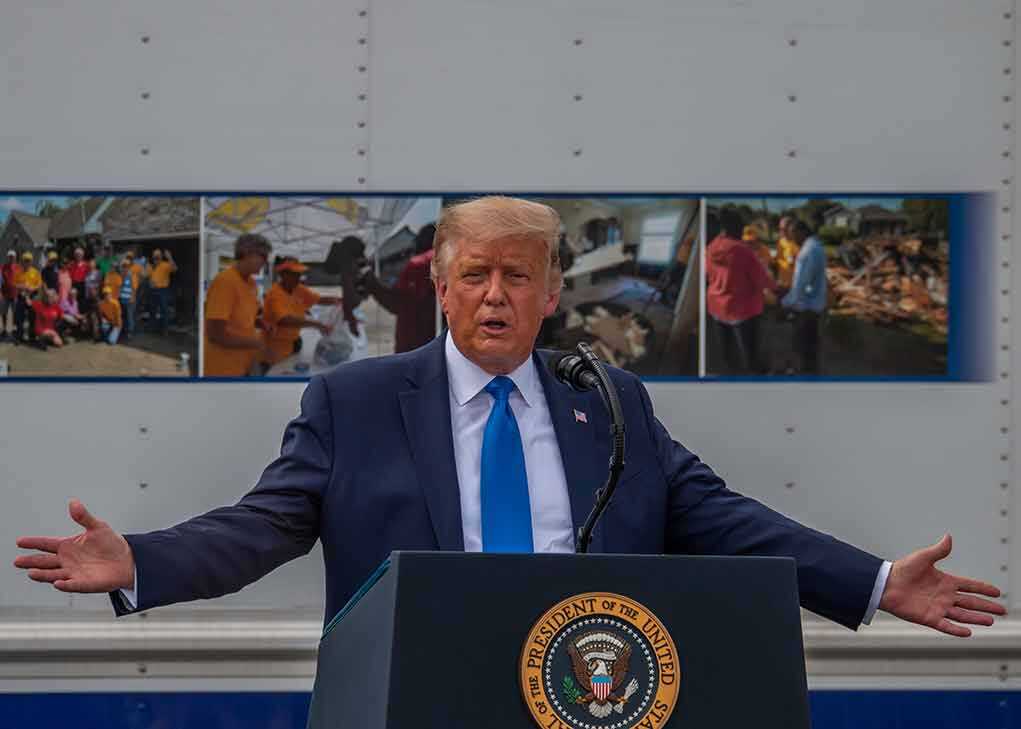
Oil jumped as President Trump rejected Iran’s seven-day truce tied to reopening the Strait of Hormuz and easing oil sanctions, sharpening market fears over a vital energy chokepoint.
Story Highlights
- Trump said “I reject their proposal,” dismissing Iran’s seven-day plan.
- The offer reportedly linked reopening Hormuz and easing oil sanctions to a brief ceasefire.
- Brent crude traded higher amid conflict risk and supply concerns, with reports citing a sharp run-up.
- The Strait of Hormuz moves about one-fifth of global energy, magnifying market reactions.
What Trump Rejected And Why It Mattered To Energy Markets
President Trump told reporters he rejected Iran’s seven-day ceasefire proposal. Reports said the offer tied several energy concessions to the pause. These included reopening the Strait of Hormuz, lifting a naval blockade, waiving sanctions on Iranian oil sales, and releasing frozen assets. The White House position kept pressure on Tehran while avoiding short-term concessions that could fund hostile activity. The decision connected directly to shipping and sanctions, not abstract diplomacy, which energy traders track closely.
Outlets described Iran’s package as time-limited and front-loaded on relief. That design risked giving Tehran cash flow before deeper commitments took hold. Trump’s rejection aligned with a harder line on terror finance and maritime security. Analysts noted that any credible change at Hormuz can shift risk premiums for oil cargos and insurance. The factual core is straightforward: the President rejected the proposal, and the package included oil and shipping measures central to global supply routes.
Oil Prices Climbed As Risk Premiums Rose Around Hormuz
Media reports tied the move to higher oil prices and pricier fuel. Brent crude was cited around the mid‑$90s in recent reporting, well above pre‑conflict levels, as markets priced conflict risk and strained refining systems. The link from war risk to pump pain is familiar: traders hedge, insurers raise war premiums, and refiners pass costs through. While several forces drive prices, the rejection kept uncertainty high around flows through Hormuz, and markets responded accordingly.
Economists and global institutions have long noted that geopolitical oil shocks add a risk premium. Research finds such shocks often cause short‑run spikes, even if the size and duration vary. The World Bank estimates geopolitical oil supply shocks can lift prices by double digits at the peak on average. The European Central Bank has also documented sharp jumps after major conflicts. The mechanism is simple: when key routes look threatened, the marginal barrel commands more.
Why The Strait Of Hormuz Turns Headlines Into Higher Bills
The Strait of Hormuz carries roughly one‑fifth of global energy supply, linking Gulf producers to world markets. Any signal about mines, missile threats, or closures can ripple into tanker scheduling, freight rates, and insurance. Even when barrels still move, higher risk raises costs. Iran’s reported plan centered on reopening the strait and easing sanctions. Trump’s rejection left that door closed for now, keeping the risk premium intact and pushing oil-linked costs higher down the line.
TuneTribune: Monday Update – Rejection Priced, Channel Still Open
Brent reopened toward $106 after Trump called Iran’s seven-day Hormuz/ceasefire paper “not acceptable.” Sunday, to Axios, he still said negotiators should sit this week. That is the split-screen: rejection on the… pic.twitter.com/duXmTd7AON— TuneTribuneOffical (@TuneTribuneOffi) September 28, 2026
American families feel these moves in diesel and gasoline prices, shipping fees, and grocery costs. Truckers, farmers, and small businesses carry the load first. A firm stance on Tehran aims to protect U.S. security and deter aggression, but it can carry near‑term price pain when a chokepoint is in play. Policymakers can blunt the impact by boosting domestic production, clearing permits faster, and protecting pipelines, so foreign regimes cannot hold our energy bills hostage.
Sources:
insiderpaper.com, aljazeera.com, france24.com, inquirer.com, yahoo.com, aa.com.tr, ecb.europa.eu