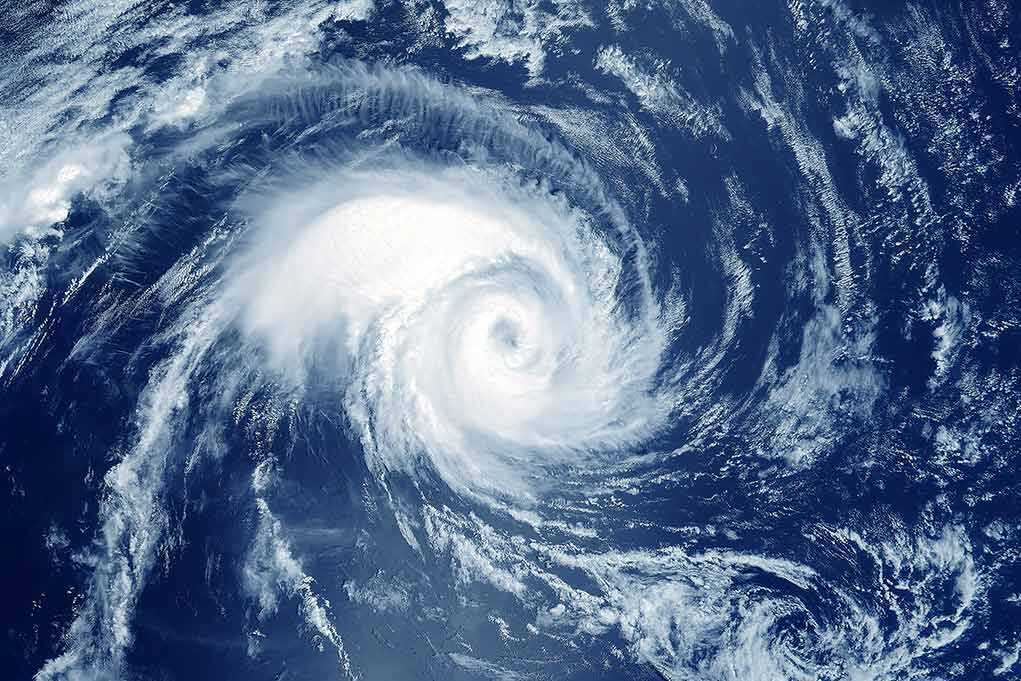
A record-quiet Atlantic hurricane season has stunned forecasters, and now political spin is trying to claim the credit.
Story Highlights
- No Atlantic hurricanes formed by mid-September, a satellite-era record.
- Forecasters point to a powerful El Niño as the main cause.
- Media chatter links the calm to politics, not physics, fueling confusion.
- Experts warn calm seas can still flip fast later in the season.
What Actually Happened: A Historic Lull in Hurricanes
Major outlets reported a rare milestone this September: not a single Atlantic hurricane had formed by the season’s statistical peak. Meteorologists said only a handful of short-lived tropical storms had appeared so far. This quiet stretch set a new satellite-era record for lateness without a hurricane, surprising many storm watchers and coastal communities that usually brace for landfall risks by early fall. Forecast maps showed little development ahead, keeping the basin’s activity far below normal.
Reporters and scientists connected the dots to a strong and still strengthening El Niño in the Pacific. That climate pattern typically tears apart growing storms over the Atlantic by changing wind patterns and adding hostile wind shear. Coverage across networks emphasized that El Niño has a long track record of reducing Atlantic hurricane counts, especially during peak weeks in September. That is why experts kept saying the season’s slump fit the playbook, not a surprise new force.
Why It Is Quiet: El Niño, Wind Shear, and Known Patterns
Scientists explained that El Niño often means fewer Atlantic hurricanes because upper-level winds become unfriendly to storm growth. Those winds tilt, stretch, and weaken developing systems. Analysts also noted dust and cooler patches can add drag, but the dominant driver this year was El Niño. The National Hurricane Center outlooks showed low odds of formation over several days, reflecting those hostile conditions and the record-slow pace across the basin. The evidence matched decades of hurricane research and seasonal outlooks.
Colorado State University expert Philip Klotzbach and other specialists highlighted just how unusual the numbers looked. They described overall activity as far below typical levels for this date by widely used indices. Some measures pegged activity at a small fraction of normal. The United States public heard the same theme repeated: this was a once-in-decades lull tied to a well-known climate phase, not a mystery event. That framing anchored coverage at local and national outlets alike.
The Politics: Claims, Credit, and Common Sense
Commentary online tried to link the calm to political branding and White House messaging. That chatter said renaming the Gulf had somehow “stopped” hurricanes. Meteorologists rejected that line. They pointed back to observed wind shear and El Niño physics driving the result. Conservative readers should see the pattern: media partisans often hype narratives to score points. The better test is whether named experts, data, and forecasts agree. This time, they do, and they point to El Niño as the cause.
Here is what matters for families, small businesses, and coastal towns. Quiet today does not guarantee safety tomorrow. Past years show a slow start can still deliver a late-season hit. Homeowners should keep storm plans current, check generators, and review insurance. Local leaders should use this pause to harden grids and protect fuel and food supply lines. Calm seas are a blessing, but preparedness is the duty. Personal responsibility beats government promises every time.
Bottom Line for Readers
Americans want facts, not theater. This season’s rare calm is real. The measured cause is El Niño, confirmed by forecast offices and veteran scientists, and echoed across serious reporting. Political spin cannot change wind shear or ocean patterns. Stay alert, keep supplies ready, and ignore showy claims that turn weather into a stunt. Freedom and resilience start at home, with clear eyes and steady hands. If the pattern shifts, readiness will matter more than rhetoric.
Sources:
townhall.com, latimes.com, abcnews.com, cnn.com, accuweather.com