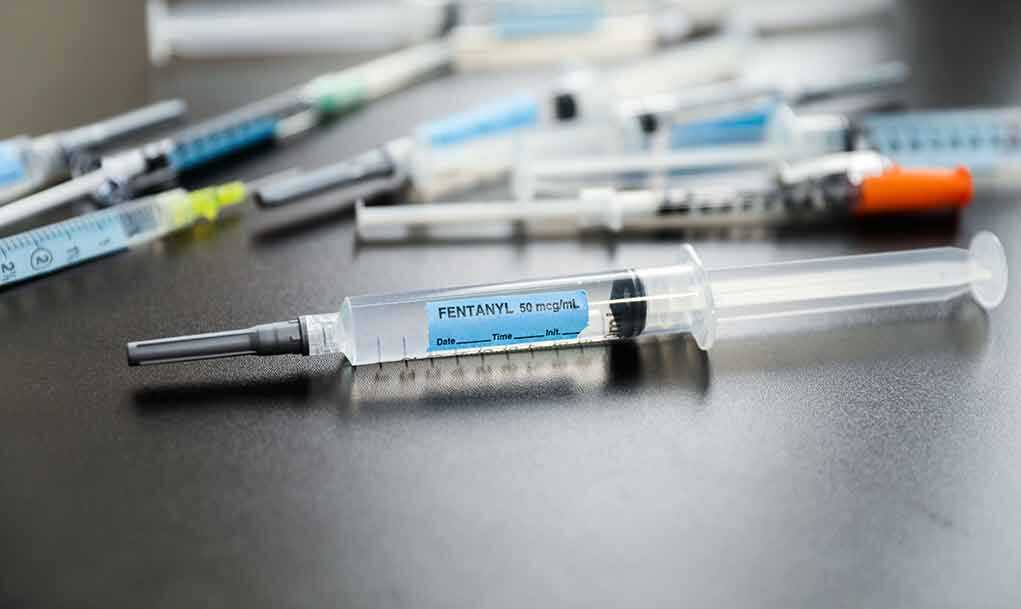
Washington state opened two inspections into a Seattle cleanup nonprofit over used-needle handling even as no violations have been found to date, raising alarms about government overreach and mixed priorities.
Story Highlights
- Washington Labor & Industries opened two inspections tied to used-needle safety.
- The state demanded training logs, safety plans, and hepatitis B records within 48 hours.
- Officials cite bloodborne risks; the group says it already uses gloves, tools, and protocols.
- No violations have been found so far; the inspection can take up to 180 days.
State Opens Inspections Focused On Needle And Drug Debris
Washington State Department of Labor and Industries opened two inspections in late July after a referral alleged improper handling of hypodermic needles and fentanyl paraphernalia. Inspectors asked for safety training materials, training completion logs, a personal protective equipment hazard review, and hepatitis B vaccination documentation tied to potential blood exposure. The focus is narrow and concrete: protect people who pick up used needles and other drug debris that can carry bloodborne pathogens, like hepatitis B.
Reports say the organization, We Heart Seattle, has spent years removing trash, syringes, fentanyl foil, and related litter from parks, sidewalks, and encampments. That mission puts volunteers near biohazards that many cities treat as regulated waste. Seattle’s own volunteer guides direct people to use tongs, grabbers, and proper sharps containers to avoid needle sticks and disease risks, underscoring the real hazard behind the inspection trigger. The complaint stage does not equal guilt; it starts a process to check safety basics.
Records Demand Points To Worker-Safety Compliance, Not Politics
The state’s document requests line up with standard occupational safety steps: show the bloodborne pathogen plan, prove the training happened, and confirm access to vaccinations that reduce risk from needle exposure. That list suggests a compliance check on known hazards rather than a broad attempt to shut down cleanup work. One report says the agency has two open inspections and, so far, no violations have been found, which supports that this is a fact-finding phase, not a penalty phase.
A Washington Labor and Industries spokesperson told Reason the inspection process can run up to 180 days, which means final outcomes may take months. During that time, officials can interview workers, review logs, and assess field practices. The length can frustrate groups that want to keep cleaning, but it also allows the agency to verify claims on training and protective gear. That timeline emphasizes the need for clear rules that do not slow urgent public cleanup.
Cleanup Group Says It Already Follows Safety Protocols
Founder Andrea Suarez says We Heart Seattle trains volunteers, uses gloves, pickup tools, and high-visibility vests, and has supervisors trained on bloodborne pathogens to handle items that volunteers do not want to touch. She called the probe “egregious overreach,” arguing the state is targeting people who are trying to make public spaces safer. She also says the organization has a comprehensive bloodborne pathogen plan and expects to prevail after submitting documentation.
Critics of the state action point to the city’s own safety guides that teach how to pick up needles with tools and place them in sharps containers, which sounds similar to what the group describes doing. That contrast fuels a common-sense question: why hinder volunteers who follow the same safety principles the city promotes? Supporters of the inspection argue that written plans, training logs, and vaccination access must be proven, not assumed, when people face blood exposure risks.
What This Means For Public Safety And Local Control
Seattle faces public drug use, encampments, and piles of hazardous litter. Volunteers often step in where city crews fall short. Washington’s inspection shows how safety law can collide with community action when biohazards are involved. If the group’s records confirm proper training and equipment, the case should close with no penalty and a clearer green light for safe cleanup. If gaps exist, simple fixes could raise standards without sidelining volunteers.
Saturday we brought 65+ volunteers to the West Queen Anne Greenbelt, the spot people call Trash Mountain for Seattle Department of Neighborhoods’ Show Up Seattle day of service.
These trails have been used as camps for years. The garbage is deep. Hoarded stuff sitting there… pic.twitter.com/rreBpudCo6
— We Heart Seattle (@weheartseattle) September 27, 2026
For conservatives, the core issue is balance: enforce real safety, but do not strangle common-sense help with red tape. The state has a duty to prevent needle-stick injuries. The city has a duty to keep streets clean. Volunteers deserve respect and a clear path to serve safely. Policymakers should publish the complaint, outline the exact rules for volunteer needle pickup, and fast-track compliant groups. That approach protects workers, supports order, and restores public trust.
Sources:
reason.com, foxnews.com, mynorthwest.com, dailymail.com