

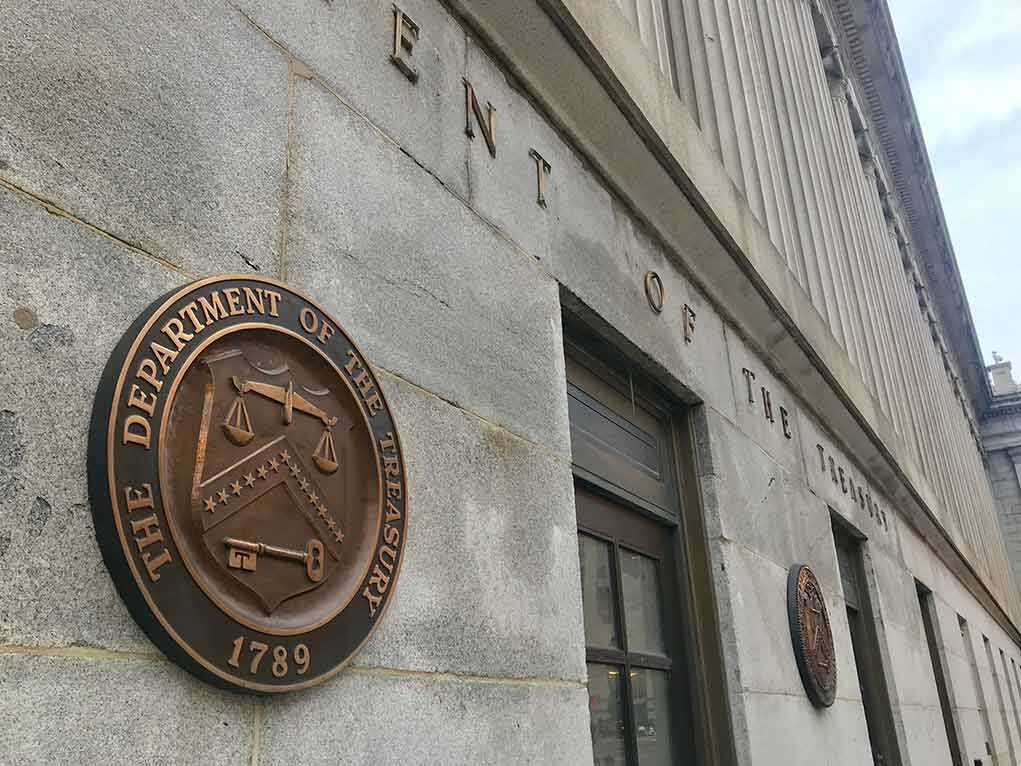
The Treasury Department will start automatically opening Trump Accounts for over 60 million children, turning a slow opt-in program into near-universal coverage almost overnight.
Story Highlights
- Treasury issued temporary rules to auto-enroll children under 18 without existing accounts.
- Officials project more than 60 million new child accounts from the change.
- Rules were issued with the Internal Revenue Service and set for Federal Register publication.
- Baseline sign-ups were about 7 to 8 million before auto-enrollment began.
Treasury Shifts From Opt-In To Automatic Enrollment
Treasury said it will begin automatically enrolling children in Trump Accounts as early as this week, replacing the prior parent or guardian opt-in model. The temporary rules describe automatic account creation for children under 18 who have a Social Security number and do not already have an account. Officials framed the change as a way to expand access to child investment accounts and reduce paperwork for families. This shift matches a well-known pattern where default enrollment reaches many more households than opt-in systems.
Reporting says the Treasury rules were issued with the Internal Revenue Service and set for publication in the Federal Register, signaling formal administrative action. Outlets described the start as “as early as this week,” “as soon as Thursday,” or “on or about Oct. 1,” reflecting slight timing differences in coverage. The government’s move places the burden on those who wish to opt out, not on parents to find and finish forms. That approach aims to speed scale and simplicity for working families.
Projected Scale: More Than 60 Million New Accounts
Multiple reports say the expansion is expected to create accounts for more than 60 million additional children under 18 who do not already have one. Before this change, enrollment stood around 7 to 8 million, according to coverage of Treasury and market briefings. Secretary Scott Bessent told lawmakers that within a month, totals could reach about 70 million once auto-enrollment began, underscoring the step-change effect from the rule. These figures are projections, not audited final counts.
The automatic creation of an account does not by itself guarantee a government seed deposit, which some coverage noted could create confusion for families that expect cash immediately. Parents and guardians can still claim, monitor, and contribute to the accounts once created. Program supporters argue the default brings more children into the system fast, then families can decide how and when to add savings. Research on child savings programs shows automatic enrollment is the surest way to reach broad participation.
What Families Should Expect And Why It Matters
Parents should expect account creation to be based on existing government records and to apply only to children without an account already. After accounts open, families can log in, verify details, and decide whether to add funds or seek matching options if offered by employers or community groups. Reporting does not list every exception or the full legal text of the temporary rule, so some mechanics may be clarified when the Federal Register post appears. Families should watch for official notices.
The key word is 'proposed.' Auto-enrollment could put many more children into Trump Accounts, but opening an account isn't the same as new equity demand today. Watch the final rule, activation and contribution rates before treating this as a near-term stock-market flow.
— MarketRadar (@marketradar11) September 29, 2026
For conservative families, the core value is ownership. Auto-enrollment removes red tape that blocks busy parents, while keeping choice in their hands. The money stays in the child’s name, helps build a habit of saving, and can strengthen families against debt and inflation over time. Past research on children’s savings and retirement plans shows that when the default is “in,” participation surges and more households build assets for the future. That is a win for independence and opportunity.
How This Fits President Trump’s Economic Approach
This action leans into a basic Trump-era theme: make systems work for everyday families, not bureaucracies. The government sets the table through defaults, then lets parents drive. The reported partnership between Treasury and the Internal Revenue Service, plus publication in the Federal Register, shows the administration is using formal channels to deliver scale quickly. The goal is simple: every eligible child gets an account by default, and parents keep the freedom to opt out if they choose.
Sources:
feedpress.me, finance.yahoo.com, thehill.com, cnbc.com, investmentnews.com, briefs.co, newsmax.com, urban.org, files.consumerfinance.gov