As Tyler Robinson heads into a high‑stakes court hearing over the assassination of conservative leader Charlie Kirk, both the strength and the gaps in the case are finally coming into sharp focus — and they matter for every American worried about political violence and fair justice.
Story Snapshot
- Prosecutors claim Robinson confessed and left a trail of DNA and rifle evidence tying him to Kirk’s murder.
- The defense attacks weak points in ballistics, digital messages, and media conduct, pushing to take death off the table.
- Judges are keeping hearings public and allowing cameras, opening the case to rare real‑time scrutiny.
- The fight over evidence and process highlights rising political violence and the need to protect both speech and due process.
What Prosecutors Say Ties Robinson to the Assassination
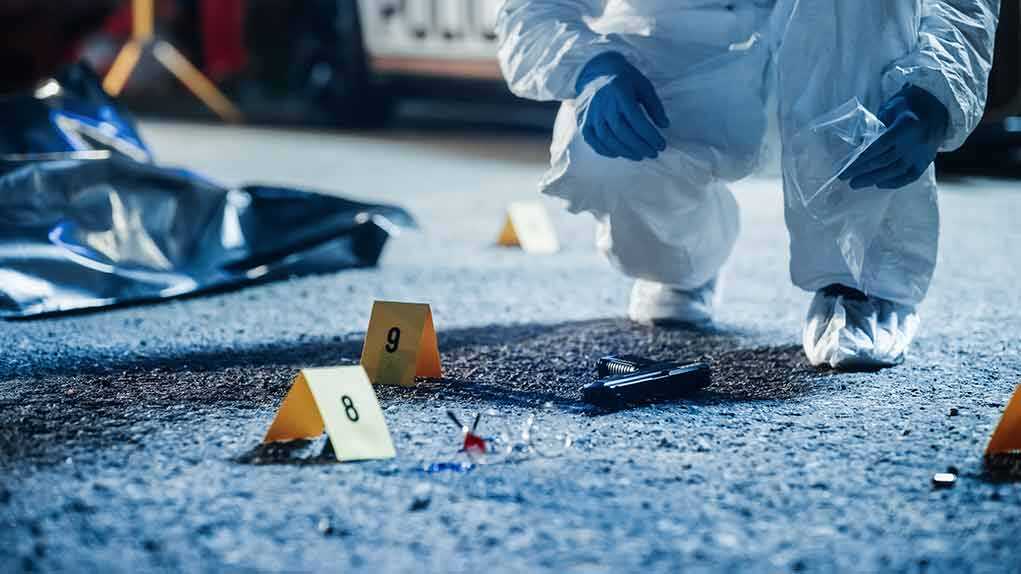
Prosecutors argue they have a large body of physical and digital evidence linking Tyler Robinson to the rooftop shot that killed Charlie Kirk at Utah Valley University on September 10, 2025. Charging documents say a bolt‑action rifle, wrapped in a towel and left in nearby woods, carried DNA “consistent with Robinson” on the trigger, cartridges, and towel. Investigators also point to surveillance video they say shows Robinson on the roof, a footprint at the sniper’s nest, and contact with him near the scene as he allegedly texted about retrieving the gun.
Prosecutors say Robinson confessed many times, not just once in a moment of panic. Reports describe handwritten notes, text messages, and Discord chats where he allegedly wrote that he had “had enough” of Kirk’s “hatred” and that “some hate can’t be negotiated out.” He reportedly told his partner and friends that he was the shooter and implied guilt to a family friend who is a retired sheriff’s deputy. These statements, if authenticated, support the claim that Kirk was targeted for his political speech as a conservative voice.
How the Defense Is Pushing Back on Ballistics and Digital Evidence
Robinson’s lawyers know the DNA and confession narrative is powerful, so they are attacking the parts of the case that look more fragile. A federal Bureau of Alcohol, Tobacco, Firearms and Explosives (ATF) summary reportedly could not conclusively match the bullet fragment from Kirk’s autopsy to the rifle found near the scene, weakening the claim of a clean ballistic match. Defense filings say casing analysis also raises questions about whether that rifle was truly the murder weapon, challenging the idea that science firmly ties the gun to the fatal shot.
The defense is also focused on how digital evidence is being handled. Some Discord messages and text screenshots were shown as photographs, without full forensic authentication. That raises fair questions about whether the records are original and complete. Lawyers point out missing timestamps and gaps in the timeline, especially around when Robinson is said to have been on campus and when he spoke with an officer near the parking area where the rifle was found. For conservatives who care deeply about due process, these holes matter even in a case involving a brutal attack on one of our own.
Death Penalty, Media Conduct, and the Fight Over Cameras in Court
Prosecutors have charged Robinson with aggravated murder, a capital offense, and they say they will seek the death penalty. They cite aggravating factors like targeting Kirk for his political expression and committing violence in front of children at the event. Robinson’s defense team has fired back with a motion to bar the death penalty, accusing prosecutors of “extreme recklessness” in media comments to outlets including TMZ and Fox News. They argue that public statements about an “overwhelming” case risk poisoning the jury pool before evidence is fully tested in court.
The courtroom itself has become a battleground over transparency. Robinson’s lawyers have repeatedly tried to limit cameras, seal exhibits, and hold more secret hearings, claiming live coverage harms his right to a fair trial. Judge Tony Graf has largely rejected those requests and ruled that key hearings, including the upcoming preliminary hearing, will stay open to the public and press. Cameras and livestreams are allowed, with the judge stressing the public’s right to see how this politically charged case is handled. For many readers, that openness is a welcome change after years of back‑room deals and politicized leaks.
Key Witness Battles and What Comes Next for the Evidence
One important fight involves Robinson’s partner, Lance Twiggs, also known as Luna. Prosecutors plan to play a recorded interview instead of bringing Twiggs to testify live at the preliminary hearing, and the witness has been given limited use immunity. The defense pushed hard to force in‑person testimony so they could confront Twiggs directly and test credibility under cross‑examination, but Judge Graf denied that request. That decision helps prosecutors present their narrative smoothly, while limiting the defense’s ability to challenge a central witness in front of the judge and cameras.
🚨 I'll be LIVE all week covering the preliminary hearing in the case against Tyler Robinson, who is accused of m*rdering Charlie Kirk.
I'll be breaking down the courtroom proceedings in real time, analyzing the testimony, evidence, and key developments as they happen, followed… pic.twitter.com/U5bgxrDXGe
— Brandon Tatum (@TheOfficerTatum) July 6, 2026
Despite their aggressive motions, Robinson’s lawyers still have major homework to do. Reports note they have not yet produced independent forensic studies to counter the DNA findings on the rifle, cartridges, and towel. They also have not fully engaged with the detailed wording of Robinson’s alleged notes and texts, focusing instead on process issues like hearsay and media bias. Upcoming hearings and possible releases of transcripts, phone data, autopsy details, and full digital records could either confirm the prosecution’s story or expose deeper problems. For conservatives worried about rising political violence, this case is about more than one tragic night in Utah; it is a test of whether our justice system can punish political murder while still honoring the Constitution that protects speech, gun rights, and fair trials for everyone.
Sources:
foxnews.com, ksl.com, nbcnews.com, cbsnews.com, livenowfox.com, apnews.com, heraldextra.com, facebook.com