Israel’s swift military response to Hamas killing two of its soldiers demonstrates the nation’s unwavering commitment to defending its forces.
Story Highlights
- Hamas militants killed two Israeli soldiers in Gaza, prompting immediate IDF retaliation
- Israeli airstrikes targeted Hamas military positions across Gaza within hours of the attack
- The escalation occurred just days before a new ceasefire agreement took effect on October 10, 2025
- Over 67,000 Palestinians and 1,700 Israelis have died since Hamas launched its October 7, 2023 terror attack
Hamas Provocation Triggers Swift Israeli Response
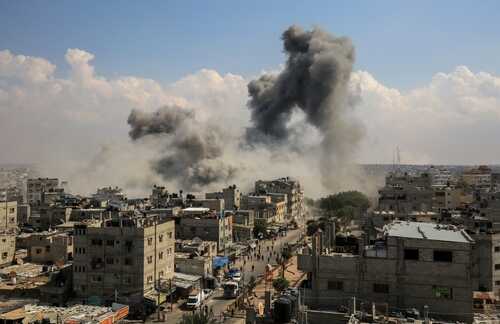
Hamas militants killed two Israeli Defense Forces soldiers in Gaza during early October 2025, prompting immediate retaliation from Israeli forces. The IDF confirmed the deaths and launched targeted airstrikes against Hamas military positions throughout the Gaza Strip within hours. This attack represents another example of Hamas’s refusal to cease hostilities even as ceasefire negotiations progressed, demonstrating the terrorist organization’s commitment to violence over peace.
Israel launches retaliatory strikes in Gaza after saying Hamas killed 2 soldiers – CBS News #AHRC #AHRCUSA #Gaza #Genocide #Nakba #ICC #ICJ #WhiteHouse #WestBank #Famine #UnitedNations #Immoral #WarCrimes #LostHumanity #MoralCrisis #Flotilla #Sumud https://t.co/nRzY2YYo3w
— AHRC-USA NGO in Consultative Status with ECOSOC-UN (@AHRCUSA) October 20, 2025
Military Operations Target Hamas Infrastructure
Israeli forces conducted precision strikes against Hamas military installations, command centers, and weapons storage facilities across Gaza. The operations aimed to degrade Hamas’s military capabilities and deter future attacks against Israeli personnel. The IDF emphasized that strikes focused on legitimate military targets while taking measures to minimize civilian casualties, contrasting sharply with Hamas’s deliberate targeting of Israeli civilians and use of Palestinian civilians as human shields.
Watch: Israel accuses Hamas of attacking IDF soldiers, launches retaliatory strikes
Ceasefire Agreement Follows Deadly Escalation
Despite the violence, Israeli cabinet ministers ratified a new hostage-truce agreement with Hamas on October 9, 2025, with the ceasefire taking effect the following day. The agreement came after extensive negotiations mediated by international partners including the United States, Egypt, and Qatar. The timing underscores Israel’s preference for diplomatic solutions while maintaining its right to defend against terrorist attacks when diplomacy fails.
This latest escalation occurs within the broader context of the Gaza conflict that began when Hamas launched its barbaric October 7, 2023 attack, killing over 1,140 Israelis and taking 251 hostages. The conflict has resulted in tremendous casualties on both sides, with over 67,000 Palestinians and 1,700 Israelis reported killed by October 2025, highlighting the human cost of Hamas’s continued rejection of peaceful coexistence.
Regional Stability Remains Fragile
The incident demonstrates the ongoing security challenges Israel faces from terrorist organizations committed to its destruction. While international observers call for restraint, Israel maintains its fundamental right to self-defense against terrorist attacks targeting its military personnel. The fragile nature of ceasefire agreements with Hamas reflects the terrorist organization’s pattern of violating truces and using periods of calm to rearm and plan future attacks against Israeli civilians and soldiers.
Moving forward, the success of any lasting peace agreement depends on Hamas’s willingness to abandon terrorism and recognize Israel’s right to exist. Until terrorist organizations cease their attacks on Israeli forces and civilians, Israel will continue exercising its right to defend its people and territory through appropriate military responses.
Sources:
Timeline of the Gaza war – Wikipedia
Timeline of the Gaza war (3 October 2025 – present) – Wikipedia
The Gaza Crisis timeline: key events – British Red Cross
Israeli-Palestinian Conflict Timeline | CFR Education