
Former Vice President Kamala Harris’ condemnation of President Trump’s military strikes against Iran exposes a stunning reversal from her 2024 position, when she proudly championed similar U.S. military action against Iranian aggression targeting Israel.
Story Snapshot
- Harris denounced Trump’s Iran strikes as an “unauthorized war of choice” on February 28, 2026, demanding immediate congressional intervention
- In October 2024, she praised Biden’s authorization for U.S. forces to shoot down Iranian ballistic missiles, calling Iran a “destabilizing, dangerous force”
- The contradiction has sparked widespread criticism, with conservatives highlighting the political opportunism behind her shifting stance on defending America and its allies
- Harris delivered her 2026 remarks outside a Detroit small business event, positioning herself as an anti-war voice despite her prior support for military engagement
Harris’ Contradictory Stance on Iran
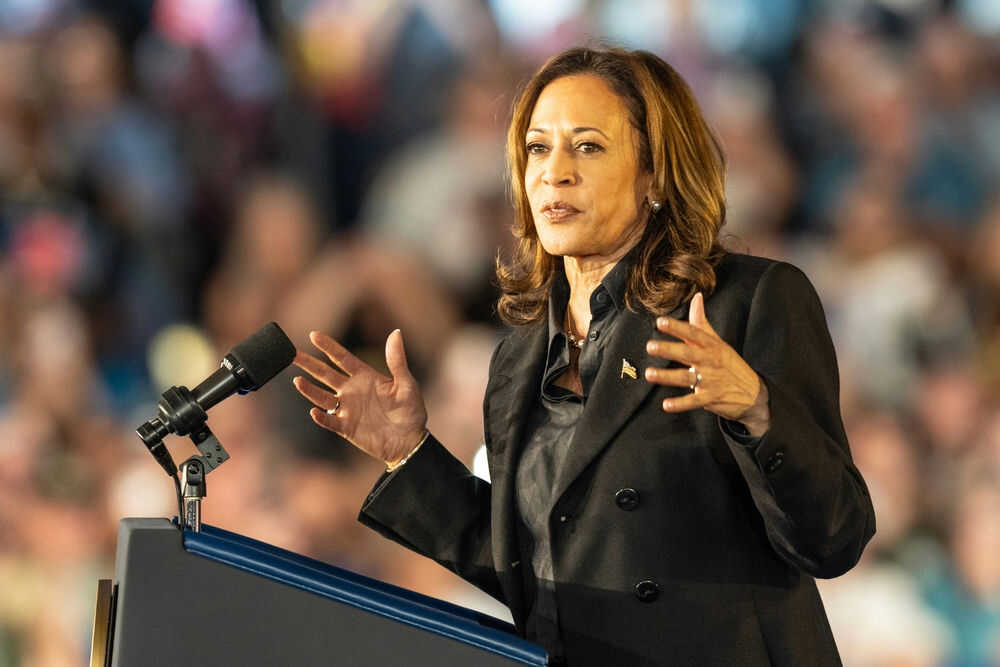
Kamala Harris condemned President Donald Trump’s military strikes on Iran during a February 28, 2026, appearance in Detroit, calling them a “war the American people do not want” and insisting Congress must intervene immediately to stop what she characterized as unauthorized military action. Harris claimed Trump “has dragged us into a war” through what she described as a “random decision” that endangers American troops without proper authorization. Her remarks, delivered outside a Detroit small business event with Mayor Mary Sheffield, framed her opposition as defending constitutional checks on executive power and protecting service members from reckless engagement.
The 2024 Record Tells a Different Story
Harris’ current position stands in stark contrast to her October 2024 statement from the White House Situation Room, when she unequivocally supported President Biden’s order for U.S. forces to shoot down Iranian ballistic missiles targeting Israel. Speaking after Iran launched approximately 200 ballistic missiles at America’s closest Middle Eastern ally, Harris condemned the attack and praised the joint U.S.-Israel defense operations that intercepted most missiles. She explicitly called Iran a “destabilizing, dangerous force” and celebrated the military action that protected Israeli civilians from Iranian aggression, demonstrating no concern about congressional authorization or the risks to American personnel involved in those defensive operations.
Political Opportunism Over Principled Leadership
The reversal reveals a troubling pattern of partisan calculation rather than consistent foreign policy principles. When Harris served as Vice President under Biden, she enthusiastically backed military engagement against Iranian threats to Israel, understanding Iran’s role as a destabilizing regional force that has escalated tensions since the 1979 Islamic Revolution through its nuclear program, JCPOA violations, and proxy warfare via Hezbollah and Houthi militants. Now, as a private citizen following her 2024 election defeat, she opposes similar action taken by President Trump to counter the same Iranian regime. This undermines credible opposition to genuine executive overreach and exposes how leftist critics apply different standards based on who occupies the Oval Office rather than defending constitutional principles.
Implications for National Security and Constitutional Debate
Harris’ shifting position complicates serious discussions about presidential war powers and the War Powers Resolution, which permits 60-day military actions without congressional approval. Her 2024 support for defensive intercepts and 2026 opposition to offensive strikes both involved military action against Iranian aggression, yet she characterized only Trump’s decision as problematic. The short-term implications include escalated U.S.-Iran tensions and potential retaliation risks against American troops and Israeli civilians, while long-term consequences could affect nuclear negotiations and embolden Iran’s proxy networks. Her inconsistency weakens legitimate constitutional concerns about executive authority when critics selectively invoke them for political advantage rather than principle. Americans deserve leaders who maintain consistent positions on defending national security interests and supporting allies like Israel, regardless of partisan considerations.
The controversy highlights how political expediency continues to trump principled leadership in Washington. Harris’ transparent flip-flop demonstrates why many Americans distrust politicians who adjust their national security positions based on electoral calendars rather than genuine threats to American interests and constitutional governance. President Trump’s willingness to confront Iranian aggression reflects the strength many voters demanded after years of perceived weakness that emboldened hostile regimes worldwide.