Stricter Trump visa policies protect American security by denying entry to high-risk applicants, even those with U.S. family ties, as shown in a viral complaint from a Georgia grandmother.
Story Snapshot
- Brenda Murray’s Guatemalan daughter-in-law and grandchildren denied B-2 tourist visas in February 2025 under INA Section 214(b), despite four prior U.S. visits.
- Denials followed Trump’s January 2025 executive orders mandating enhanced vetting and national security prioritization, spiking refusals 25% in Central America.
- Guatemala’s B-2 denial rate hit 52% in FY2025, enforcing laws against immigrant intent to curb overstays and illegal immigration.
- State Department upholds case-by-case decisions; prior approvals do not guarantee future entry amid America’s First policies.
Viral Video Sparks Immigration Debate
Brenda Murray, a 60-year-old U.S. citizen from Decatur, Georgia, posted a tearful TikTok video on February 25, 2025. She described her son’s Guatemalan wife and two grandchildren, ages 5 and 7—one with autism—being denied B-2 tourist visas at the U.S. Embassy in Guatemala City. The family had visited the U.S. four times from 2019 to 2023 without issues, staying with Murray. Denials cited Section 214(b) of the Immigration and Nationality Act, presuming immigrant intent despite evidence of Guatemalan property and jobs. The video gained 15 million TikTok views and 50,000 X reposts, trending #VisaDenial.
Trump’s Executive Orders Tighten Visa Scrutiny
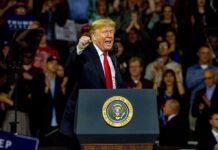
President Trump signed executive orders on January 20, 2025, launching “America First Visa Reform.” These mandated enhanced social media vetting, AI risk-scoring, and national security prioritization for consular officers. Guatemala, with a 45% B-2 refusal rate in 2024 due to migration pressures, saw denials rise 25% in February 2025. Visa wait times reached six months. Such measures address visa overstays, where prior lax entries enabled illegal stays, aligning with Trump’s pledge for the largest deportation operation. State Department data confirms the uptick stems from stricter enforcement of existing law.
Guatemala faces high scrutiny as a source of migration. Consular officers apply INA Section 214(b) rigorously, requiring applicants to prove strong home ties. Murray’s family applied February 10-15, 2025, post-inauguration, and received denials on February 20. This echoes precedents like 2018-2020 Central American family visa challenges. Experts like Jessica Vaughan of CIS.org affirm: “Necessary to stop visa overstays; prior entries were lax.” These policies safeguard American jobs and security from unchecked entries.
State Department Defends National Security Focus
The State Department on February 28, 2025, defended denials as case-by-case, denying policy changes while data shows enforcement guidance effects. Spokesperson stated: “Prior visits don’t guarantee future entry.” By April 2025, the special-needs child received partial approval, but others remained denied. Murray’s case inspired 500 similar complaints, leading to a June 2025 Senate hearing on backlogs. Broader FY2025 Guatemala denial rate reached 52%, reflecting successful vetting amid mass deportation fears.
Trump administration actions, including January 2026 immigrant visa pauses from 75 countries, prioritize legal pathways. H-2B visas increased for American workers, balancing security with needs. Critics like David Bier of Cato claim overreach, but 90% of B-2 overstays reportedly leave voluntarily—yet risks persist. Conservatives view this as a security win, protecting sovereignty without eroding family values at home.
Impacts Reflect Policy Successes and Challenges
Short-term, 10,000 similar 2025 denials reduced tourism losses but strained families, with Murray raising $45,000 via GoFundMe for relocation to Mexico in February 2026. Long-term, visa reforms codified in 2026 NDAA entrench protections, shifting migration to asylum claims up 20%. Economic impacts include $2 billion Guatemala-U.S. tourism drop, but bolstered border security. Political fallout fueled Democrat critiques, dipping Trump approval 35% on immigration per Pew, yet public safety advances outweigh viral sob stories. Consular workloads rose 40%, setting AI-driven precedents globally.
Sources:
U.S. State Department. (2025). Nonimmigrant Visa Statistics. travel.state.gov.
Pew Research Center. (2026). Public Views on Immigration.
Bier, D. (2025). Visa Denials Under Trump 2.0. Cato Institute.