AI voice cloning now threatens celebrity rights and livelihoods, igniting fierce legal battles as Morgan Freeman declares, “You’re robbing me.”
Story Snapshot
- Morgan Freeman rejects retirement rumors and launches legal action against AI imitators exploiting his voice.
- AI technology advances have led to unauthorized celebrity voice cloning and widespread industry concern.
- Freeman’s case highlights urgent gaps in digital rights and intellectual property protections.
- Legal and ethical debates intensify as other celebrities and industry groups join the fight for stronger protections.
Freeman’s Legal Battle Against AI Voice Imitators
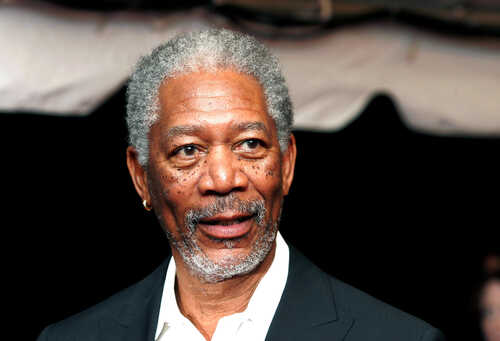
Morgan Freeman, the renowned actor whose voice is recognized worldwide, has taken an assertive stance against the unauthorized use of artificial intelligence to mimic his voice. Freeman’s legal team is actively engaged in multiple cases against AI developers and companies who have replicated his distinctive voice without permission. He describes these actions as outright theft of his professional identity and an attack on his livelihood, underscoring the seriousness of digital exploitation in the entertainment industry.
Watch; Morgan Freeman’s Fiery Take on AI Imitators & Retirement! “You’re Robbing Me!”
AI Technology and the Erosion of Individual Rights
Rapid advances in AI voice cloning since the late 2010s have enabled the creation of synthetic voices nearly indistinguishable from real celebrities. This technology, while innovative, poses a significant threat to individual liberty and property rights—core conservative values. Freeman’s case is not isolated: public figures like Tom Hanks and Scarlett Johansson have similarly condemned and taken action against the unauthorized use of their voices, highlighting a troubling trend of digital exploitation and industry vulnerability.
Morgan Freeman Shoots Down Retirement As His Legal Team Is "Very Busy" With AI Imitators: "You're Robbing Me" https://t.co/9FDDbfUS20
— Deadline (@DEADLINE) November 14, 2025
Legal Gaps and Constitutional Concerns
The entertainment industry currently lacks robust legal frameworks to protect personal likeness and voice in the age of generative AI. Freeman’s legal actions spotlight the urgent need for updated intellectual property laws and industry standards. Without clear consent or compensation, AI companies continue to operate in legal gray areas, undermining the constitutional protections of property and privacy. This growing threat requires immediate attention from legislators and courts to prevent further erosion of fundamental rights.
Industry Response and Broader Implications
Freeman’s public condemnation and active litigation have galvanized other celebrities and entertainment unions to demand stronger legal protections. The outcome of these efforts could set powerful precedents, shaping how AI-generated content is regulated and monetized across media and advertising. Short-term impacts include increased legal scrutiny and the potential for injunctions, while long-term effects may involve new regulations and industry standards designed to safeguard digital rights, economic interests, and social trust.
Sources:
Morgan Freeman Condemns AI Mimicking His Voice
Morgan Freeman Won’t Retire, Slams AI Recreating His Voice
Morgan Freeman Says He Won’t Retire, Legal Team Busy Battling AI Voice Clones