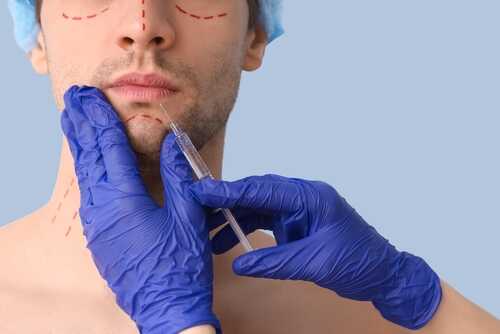
A troubling cultural shift fueled by social media and workplace pressures is driving men toward cosmetic surgery at unprecedented rates.
Story Snapshot
- Male cosmetic procedures surged 70% in the UK since 2021, with 1.6 million performed in the U.S. during 2024
- Social media perfection standards and workplace competitiveness drive men to pursue appearance-altering treatments
- Mental health experts warn of body dysmorphia risks and question whether surgery actually improves self-esteem
- The global male aesthetic market is projected to reach $5.6 billion by 2026
Social Media Pressures Reshape Male Identity
Men now face the same appearance pressures that women have endured for decades, with social media platforms amplifying unrealistic body standards. Psychology professor Christia Brown from the University of Kentucky explains that men now inhabit a world of curated perfection where idealized images dominate daily life. The historical gender gap in body dissatisfaction has essentially disappeared, creating a new marketplace for cosmetic procedures targeting male insecurities. This represents a fundamental shift in how masculinity is defined, moving away from traditional values of character and accomplishment toward superficial appearance management.
Pandemic and Digital Culture Accelerate Trend
The COVID-19 pandemic served as a catalyst for male cosmetic surgery through increased video conferencing and remote work arrangements. Men became hyper-aware of their appearance during constant Zoom meetings, leading many to seek surgical solutions for perceived flaws. Between 2020 and 2025, the trend accelerated dramatically, with the American Society of Plastic Surgeons documenting 1.6 million male procedures in 2024 alone—a 4% increase from 2022. The UK experienced an even sharper 70% surge since 2021, with men now comprising nearly one-fifth of cosmetic appointments. Social media platforms like TikTok normalized these procedures by encouraging public discussion and display.
Men getting twice as much plastic surgery, new data shows https://t.co/dbrhOtNz9m
— ST Foreign Desk (@STForeignDesk) January 29, 2026
Workplace Competition Drives Surgical Decisions
New York plastic surgeon Lara Devgan reports that 15-20% of her patients are men, predominantly from finance and business sectors seeking competitive workplace advantages. These professionals pursue procedures to project vigor and competitiveness in corporate environments where appearance increasingly influences career prospects. Primary motivations include improved self-confidence, counteracting aging effects, and preparing for special occasions or vacations. The most popular male procedures include gynecomastia surgery, liposuction, eyelid surgery, and rhinoplasty.
Mental Health Concerns Mount
While the cosmetic surgery industry celebrates market expansion—projected to reach $5.6 billion globally by 2026—mental health professionals express serious reservations about psychological impacts. David Sarwer, professor at Temple University College of Public Health, notes that body image comprises approximately 30% of overall self-esteem, yet research remains mixed on whether surgery actually improves self-esteem post-procedure. Body dysmorphic disorder affects 5-15% of cosmetic surgery patients, raising concerns about men developing appearance-based anxiety similar to patterns historically observed in women. The sustainability of self-esteem rooted in physical appearance rather than character and accomplishment represents a troubling cultural development.
Cultural Values Under Assault
This trend reflects broader societal decay where traditional masculine values of inner strength, moral character, and personal achievement are being replaced by superficial appearance standards promoted by social media influencers and corporate interests. While individual liberty includes the freedom to pursue elective procedures, the cultural pressure driving men toward surgical alteration undermines the traditional understanding that true confidence stems from competence, integrity, and character rather than facial symmetry or sculpted physiques. This represents yet another way modern culture attacks foundational principles that built strong families and communities.
Sources:
The Rise of Male Aesthetics and What to Look for in 2025 – Medspa Pro Event
Why more men are getting plastic surgery – STAT News
Male Facelift Trend 2025 Explained – Elle
Plastic Surgery Statistics: Top Procedures Performed in the U.S. 2025 – CC Plastic Surgery
What’s on the Horizon: Plastic Surgery Trends for 2025 – American Society of Plastic Surgeons
Men getting twice as much plastic surgery, new data shows – The Straits Times
Who’s had plastic surgery or taken other measures to look younger – Pew Research Center