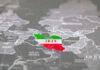
The escalating military exchange between Israel and Iran threatens regional stability and has substantial global repercussions, sparking widespread debates about future diplomacy.
At a Glance
- Israel’s strikes target Iran’s nuclear capabilities, drawing fierce retaliation.
- Oil prices surged as conflicts in this key region disrupted supply.
- Iran controls the crucial Strait of Hormuz, influencing economic stability.
- The conflict pressures the UK’s cost of living due to rising energy prices.
Tensions Reach a Boiling Point
On June 13, Israel launched a decisive military campaign targeting Iran’s nuclear sites and military leadership. Israeli military precision aimed at crippling Iran’s nuclear ambitions, reflecting Prime Minister Netanyahu’s concerns over the existential threat posed by Iran’s supposed nuclear weapon development. Less targeted in approach, Iran retaliated with missile attacks on civilian areas in Israel. These back-and-forth military actions illustrate the growing instability and engage global powers in attempts to stave off a broader conflict. Israel’s strikes underscore an urgent issue in the region with profound international consequences.
Adding to tensions, the UK faces new economic pressures exacerbated by Middle Eastern instability. Rising oil and natural gas prices, driven by fears of supply disruption, particularly affect the UK, whose strategies for economic stability are closely tied to predictable energy pricing. These pressures have surged UK natural gas prices by 15% in the past week, prompting consumers to brace for further financial stress amidst higher taxes and living costs.
The Global Ripple Effect
Global markets responded sharply to the conflict, as oil prices jumped by up to 13%—the largest spike since Russia’s 2022 invasion of Ukraine—highlighting the Middle East’s critical role as an oil-producing powerhouse. With the region contributing nearly a third of the world’s oil output, disruptions are bound to ripple across economies. If Iran makes good on its threats to disrupt the Strait of Hormuz, Brent crude prices could soar above $100 a barrel, affecting economies far beyond the Middle East.
“Global oil prices jumped by up to 13% on Friday as the Israel-Iran conflict ramped up.” – https://news.sky.com/story/israel-iran-conflict-poses-new-cost-of-living-threat-heres-why-13384431
Iran’s strategic chokehold on the Strait of Hormuz, through which one-third of global oil travels, underscores the strategic significance of this waterway. The conflict poses a powerful threat to global economic stability, potentially driving inflation rates that could influence decisions by central banks worldwide, including the Bank of England.
Diplomatic Endgames
While Israel strives to prevent Iran’s nuclear capabilities, Tehran offers a ceasefire if Israel halts its operations, a condition the U.S. won’t back without Iran stopping uranium enrichment. Washington maintains an open stance for negotiations, moderating Iran’s potential nuclear surge while highlighting the U.S. military’s commitment to protecting its interests in the Middle East.
“The UK’s cost of living crisis hangover is facing fresh pressure from the Israel-Iran conflict and growing tensions across the Middle East.” – https://news.sky.com/story/israel-iran-conflict-poses-new-cost-of-living-threat-heres-why-13384431
The volatile chess game between military strategy and diplomacy demands skilled maneuvering to avert an all-out catastrophe. As world leaders address the crisis in closed-door negotiations, the global citizenry anxiously watches, hoping for solutions that safeguard economies and lives. The consequences of any misstep could spiral beyond control, making this a critical watchpoint for global security and economic health.