

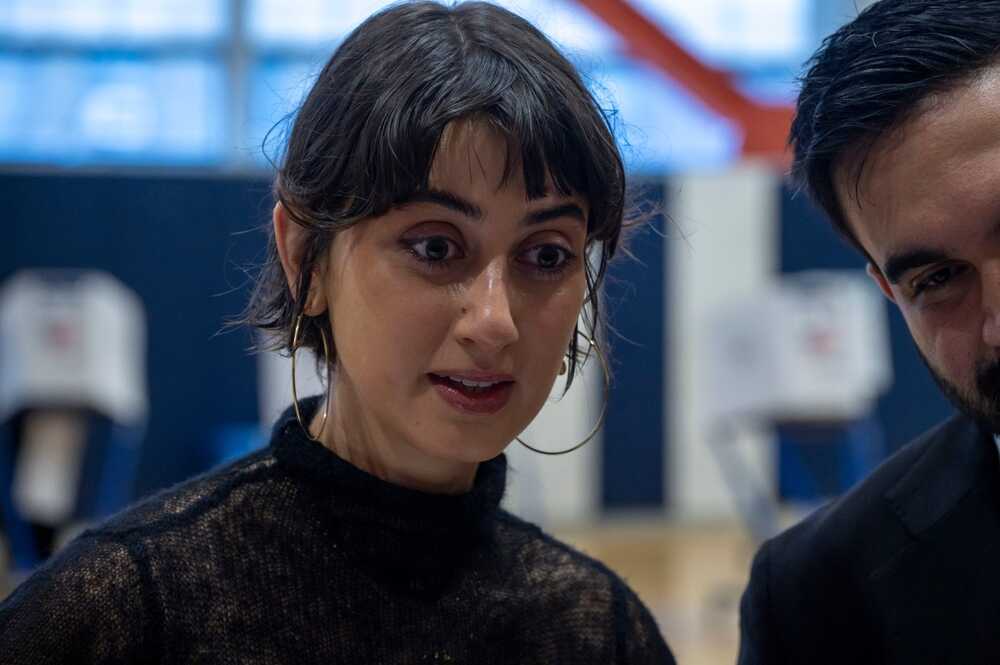
New York City’s new mayor is facing a credibility crisis after reports that his wife liked posts minimizing Oct. 7 atrocities and dismissing a sexual-violence investigation as a “hoax.”
Story Snapshot
- Multiple outlets report Rama Duwaji, wife of NYC Mayor Zohran Mamdani, liked an Instagram post calling a New York Times Oct. 7 sexual-violence investigation a “fabricated” “mass rape” hoax.
- Reports also cite earlier likes on or just after Oct. 7, 2023, amplifying pro-Hamas “resistance” framing and promoting anti-Israel protests and “from the river to the sea.”
- Mamdani’s office publicly condemned Hamas and called Oct. 7 a “horrific war crime,” while describing Duwaji as a private citizen.
- The controversy lands in a city with the nation’s largest Jewish population and elevated antisemitism concerns since Oct. 7.
What the reports allege—and why the dates matter
Reporting published March 6–7, 2026, centers on social media activity attributed to Rama Duwaji, an illustrator and the wife of NYC Mayor Zohran Mamdani. The key allegation is that she “liked” an Instagram post in February 2024 attacking The New York Times’ reporting on sexual violence during Hamas’ Oct. 7, 2023, attack, labeling it a “fabricated” “mass rape” hoax. The same coverage describes earlier likes around Oct. 7–8, 2023, tied to accounts promoting “resistance” narratives.
The timeline matters because the likes cited are not vague, years-old political memes; they are tied to the immediate aftermath of a major terrorist attack and to later claims disputing reporting on sexual violence. According to the coverage, some liked posts included images of the border breach and people on captured Israeli military vehicles described as “breaking the walls” and “resisting” occupation, as well as protest promotion and the “from the river to the sea” slogan. As of the reports, the likes were described as still visible.
City Hall’s response: condemn Hamas, defend privacy
Mayor Mamdani’s public posture, as described in the reports, attempts to draw a line between his administration and his spouse’s online engagement. At a March 6 press conference cited in coverage, Mamdani described Duwaji as “the love of my life” and emphasized that she is a private person. A City Hall spokesperson also issued a clear statement that “Hamas is a terrorist organization” and that October 7 was a “horrific war crime.” The reporting also notes the mayor’s office did not respond to certain media requests.
That split message—strong condemnation of Hamas paired with an appeal to privacy—may satisfy some voters who want leaders to avoid guilt-by-association politics. But it also raises a practical governance question: when controversy touches a mayor’s household, it inevitably becomes part of the city’s civic climate, especially when it involves rhetoric widely viewed as dehumanizing or denialist toward victims. The available reporting does not indicate any formal city investigation, discipline, or administrative action connected to the spouse’s online activity.
Why this hits differently in New York City
New York City’s demographics and recent tensions make this story politically combustible. The research provided notes NYC is home to roughly 1.1 million Jewish residents, the largest Jewish population in the United States. It also cites heightened antisemitism concerns after Oct. 7 and references tracking of large numbers of incidents in 2023–2024. In that environment, public officials are routinely judged not just on policy but on signals—what they denounce, what they excuse, and what they treat as “just politics.”
The controversy is also fueled by the way online activism can blur into intimidation when slogans and “resistance” imagery are used to justify violence. The reporting describes posts connected to anti-Israel organizing and protest promotion, plus the “from the river to the sea” slogan that critics interpret as eliminationist toward Israel. The research available here does not include independent screenshots or a direct statement from Duwaji addressing the specific likes, which limits outside verification beyond what the outlets reported.
Accountability questions heading into 2026 governance
The immediate policy stakes are less about Instagram mechanics and more about whether City Hall will respond forcefully to antisemitism and political intimidation in public life. The provided background notes prior criticism involving the mayor’s approach to Jewish safety measures and other progressive initiatives that drew backlash. Those references matter because they frame how voters interpret the current episode: either as an isolated private matter or as one more data point in a broader worldview dispute playing out in America’s largest city.
Mayor Mamdani’s Wife Sparks Outrage After Social Media Activity on Oct. 7 Claimshttps://t.co/vgls0R37JK
— PJ Media (@PJMedia_com) March 8, 2026
Based on the sources provided, the strongest confirmed facts are narrow: specific “likes” were reported, a timeframe was identified, and City Hall issued a statement condemning Hamas and the Oct. 7 attack. What remains unclear from the available research is whether Duwaji disputes the reporting, whether any likes were accidental or later removed, and whether the mayor will outline concrete steps to reassure communities that city government will protect constitutional rights and equal protection for all New Yorkers—without importing ideological “activist” litmus tests into public safety decisions.