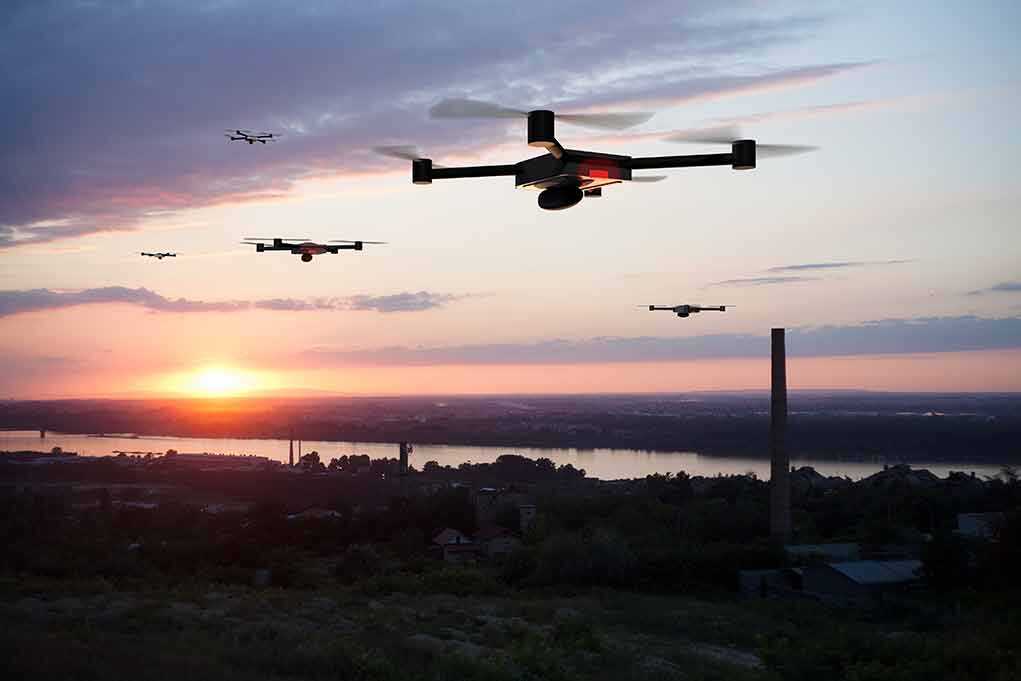
Hundreds of combat drones swarmed greater Moscow overnight, killing two people and striking an oil refinery, Russian officials said.
Story Highlights
- Russian officials reported hundreds of drones targeted Moscow and nearby areas, killing two people.
- Moscow’s mayor said many drones were intercepted; a refinery in the capital was damaged.
- Regional authorities reported evacuations and injuries amid falling debris and fires.
- The strike came as Russia held the last day of parliamentary voting, raising security concerns.
What Russian Officials Say Happened Overnight
Russian authorities said Moscow and surrounding districts faced one of the largest drone waves to date late Saturday into Sunday. Officials reported two deaths in the wider Moscow region. They said air defenses downed many drones, yet debris and direct hits still caused damage and fires. Reports pointed to a strike on a major oil refinery inside the capital area. City and regional leaders shared counts for drones intercepted within city limits and across nearby districts, underscoring the scale of the raid.
Reuters reporting noted that the refinery site in the capital was hit as the country entered the final day of parliamentary elections. That timing heightened public concern about safety and the reach of long-range drones. Officials also reported injuries and evacuations near impact sites. Local emergency crews worked through the morning to put out fires and clear wreckage. Authorities warned residents to avoid damaged zones while checks for unexploded parts continued.
Casualties, Damage, and Emergency Response
Regional leaders said two people died in the Moscow region, with additional injuries tied to blast effects and falling debris. They described evacuations of hundreds of residents from areas near fires and debris fields. City officials reported widespread interceptions, but they also acknowledged impact damage at a fuel facility. Firefighters and utility crews responded to structure fires and secured power lines. Hospitals treated the wounded while police set cordons to protect search and cleanup teams working at night.
Authorities stressed that air defenses engaged a large number of targets over multiple districts. They said many drones came down over open areas, but others fell near housing blocks and industrial sites. Officials asked citizens to report debris and avoid touching fragments due to blast risks. Transport delays followed as roads closed for response work. By midday, leaders said the main fires were contained and a damage survey was underway. They promised updates on repairs and restored services as inspections finished.
How This Fits the Wider Drone War
Major outlets have documented a pattern in this war: drone counts and effects often differ across reports, but the core facts usually match on deaths, key sites hit, and emergency steps taken. In past Moscow-area strikes, officials have reported large interception totals while oil or power targets still suffered damage. Analysts say long-range drones stress air defenses by coming in waves and from mixed directions. This attack appears to fit that pattern of mass launches and selective breakthroughs.
Ukraine Drone Attack Targets Moscow Oil Refinery; 2 Killed In Overnight Strike#RussiaUkraineWar #MoscowDroneAttack #UkraineWar #Russia #VolodymyrZelenskyy #Kyiv | @sriya_kundu pic.twitter.com/fTcvsb2sVI
— IndiaToday (@IndiaToday) September 20, 2026
The strike also follows months of tit-for-tat attacks on energy and logistics hubs. Both sides have used drones to reach deep behind the front. That reach can force costly defense moves and spark public alarm, even when interceptions are high. Sunday’s operation shows that critical fuel sites remain prime targets. It also shows how debris can be deadly for people on the ground. Officials in Moscow now face repairs, security reviews, and questions about shielding vital plants from repeat hits.
What American Readers Should Watch Next
American readers should track how Russia adjusts its urban air defense and hardens key infrastructure. Watch whether new barriers, electronic warfare tools, or point defenses go up around refineries and power plants. Monitor if follow-on strikes try to hit the same facilities, which could slow repairs and raise fuel risks. Also watch for any change in Russia’s retaliation tempo. Each mass raid can trigger larger counterattacks, which can widen the conflict and raise global energy concerns.
Sources:
youtube.com, usnews.com, apnews.com