When the United Nations’ top official says superpowers break the rules with “total impunity,” every smaller nation gets the message: do whatever you want.
Story Snapshot
- United Nations chief António Guterres warned that great-power lawbreaking has paralyzed the Security Council and fueled global impunity.
- He tied the Gaza conflict and other wars to this breakdown, saying countries feel free to ignore rules when big players do the same.
- United Nations records show the Council demanded protection of civilians, but enforcement keeps stalling.
- The remarks revive calls to reform the Council so no country hides behind veto power while violating norms.
UN Leader Links Security Council Paralysis To A Culture Of Impunity
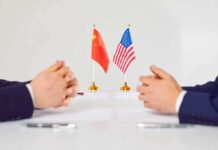
United Nations Secretary-General António Guterres said global power politics have “paralysed” the Security Council. He argued that some powerful states violate international law while also holding seats that can block action. He warned this sets a bad example that invites copycats. He said many nations now ask, “If superpowers can violate the law, why can’t we?” His words point to a system that talks about rules but often fails to enforce them.
Guterres described today’s climate as one of “total impunity,” calling it politically indefensible and morally intolerable. He said governments trample the United Nations Charter and ignore international courts. That is a sharp charge from the body’s leader. It suggests the problem is not a single war, but a pattern. When rules are bent for the strong, the weak stop listening. When courts are ignored, victims lose hope and conflicts grow.
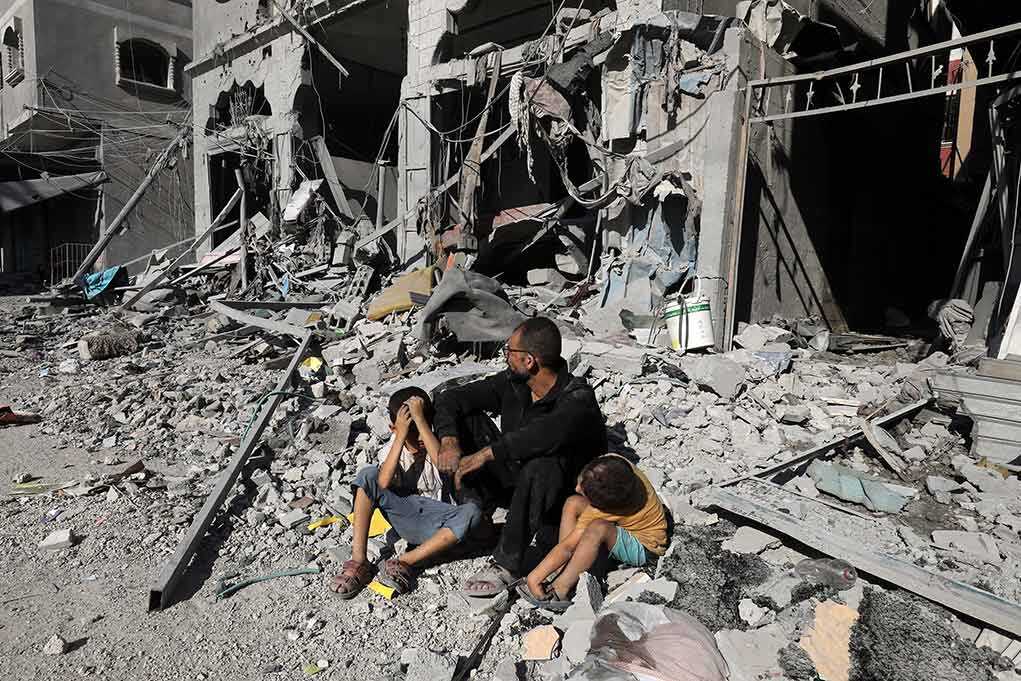
Gaza War Shows The Cost When Rules Lack Teeth
Guterres linked the Gaza war to the larger failure to hold killers and kidnappers to account across regions. He said deep divides among major powers blocked strong, consistent action. The Council demanded all sides follow international law and protect civilians in past resolutions. Yet compliance lagged as big countries battled over blame and next steps. That gap between demand and delivery fueled the sense that no one pays a price for breaking rules.
The Secretary-General’s case rests on a simple chain: when the powerful ignore norms, others take the hint. The evidence he cites is public and direct, but it remains a warning more than a dataset. He did not present numbers proving cause and effect across conflicts. Still, his position matches years of deadlock, veto threats, and selective pressure by strong states. That pattern has left many families trapped in wars without clear accountability.
What His Warning Means For Americans Who Value Law, Borders, And Order
American readers know this story at home: when laws are not enforced, crime spreads. The same logic applies abroad. If global bodies scold but never act, chaos grows. That hurts United States security, trade, and energy prices. It also hands wins to regimes that hate our freedoms. A rules-based order protects our troops, our wallets, and our allies. It also checks migration shocks and terror threats that follow failed states and endless wars.
Geopolitical divides fueling Security Council inaction, Guterres warns
Guterres calls for urgent Security Council reform, says geopolitical divides hindering action on global crises.+++United Nations Secretary-General Antonio Guterres has called for a “reform” of the Security… pic.twitter.com/7gJ3nPqb3s
— LiberlandPress (@PressLiberland) September 16, 2026
President Trump’s team has pressed the United Nations to deliver results, not statements. Guterres’s remarks show why that push matters. The Security Council has tools, but veto power can shield friends and stall justice. Reform ideas range from curbing veto use in mass-atrocity cases to clearer triggers for accountability. None are easy. But the United States can still lead by tying aid, trade, and recognition to real compliance, not empty pledges.
The Path Forward: Equal Rules, Real Consequences
Restoring trust starts with one standard for every country. The Council’s own record shows it can demand protection of civilians. The next step is steady follow-through when any side crosses red lines. That means faster fact-finding, targeted sanctions, and clear timelines for action. It also means calling out propaganda fast. If superpowers want respect, they must model restraint and transparency. Accountability deters copycats better than any speech.
What To Watch Next
Watch for concrete steps, not new slogans. Does the United Nations move to limit veto use in mass-atrocity cases? Do major powers back rapid probes with real access? Do sanctions arrive before rubble dries, not years later? These choices will show if Guterres’s warning changes anything. Americans want a world where rules protect families, borders, and faith. That starts with the strong obeying the law they ask others to follow.
Sources:
apnews.com, indiatoday.in, un.org, m.rediff.com, independent.co.uk