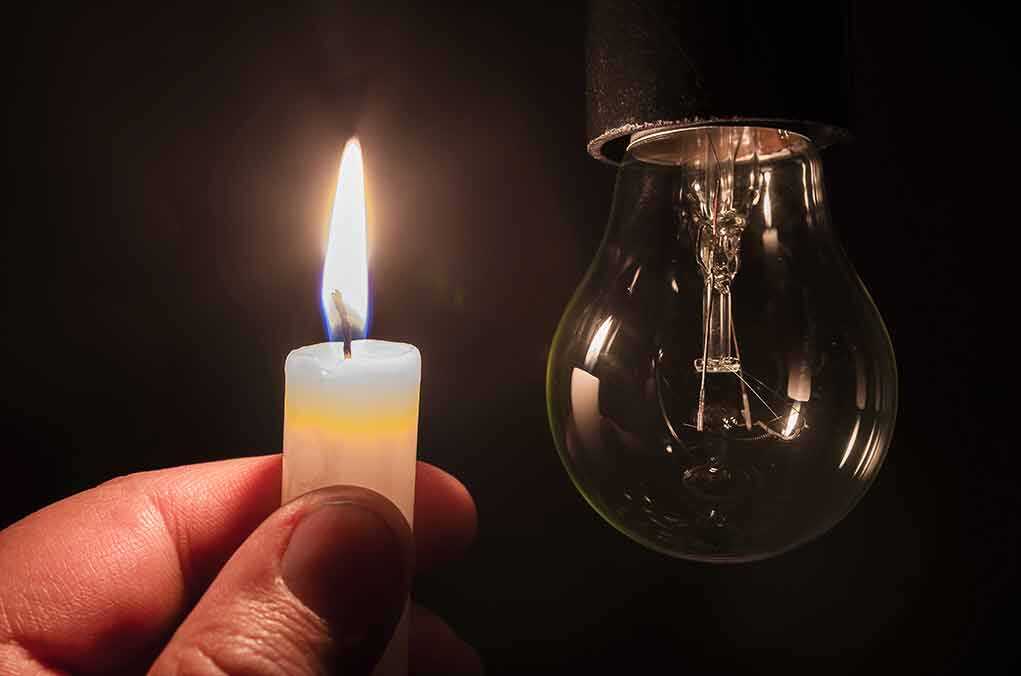
Cuba’s entire power grid collapsed, plunging the island into a nationwide blackout and exposing a fragile system that keeps failing.
Story Highlights
- Cuba’s energy ministry reported a total grid collapse and nationwide blackout.
- Officials said restoration protocols were activated while the cause is probed.
- Repeated failures tie to aging plants and chronic fuel shortages.
- Millions lost power across the island as repairs began in phases.
Officials Confirm Total Collapse And Islandwide Blackout
Reuters reported that Cuba’s energy ministry announced a total collapse of the national grid on Friday, causing a nationwide blackout across the island of roughly nine million people. The ministry posted the alert on social media, signaling a broad failure that cut electricity to homes, hospitals, and businesses in every province. The state utility said crews began following set steps to rebuild the network, a process that has taken many hours or days after past failures.
ABC News summarized the ministry’s statement on its official social media account, noting that service-restoration protocols were activated while the cause remained under investigation. That phrasing matches prior collapses this year where operators worked to re-energize power plants and reconnect lines in stages. The immediate goal is to stabilize frequency and load, then bring regions back online in blocks to avoid another trip or surge while the system is fragile.
Repeated Breakdowns Point To Aging Infrastructure And Fuel Gaps
Wire coverage and expert reports have tied Cuba’s rolling power crisis to aging plants, thin reserve margins, and frequent fuel shortages that strain the system even on normal days. Xinhua said the utility described this event as a complete collapse, with repairs underway and the root cause still under review. Earlier blackouts this year followed the same pattern: a fault or cascade takes the island offline, and power returns slowly, starting with parts of Havana and spreading as capacity comes up.
Reuters and other outlets have documented multiple nationwide blackouts in recent months, showing a system that fails, restarts, and fails again as stress mounts. When peak demand hits, old thermal units struggle to hold steady output. A single line trip or plant outage can push the grid past its limit. Recovery then depends on available fuel, spare parts, and the condition of key generators that need maintenance many plants have long deferred.
What Restoration Means For Families, Hospitals, And Business
Service-restoration protocols aim to protect hospitals, water systems, and key transport hubs first. Past events show that crews re-energize critical circuits, then add neighborhoods in steps to balance load with supply. Households face spoiled food, dead phone batteries, and unsafe streets without lights. Small shops cannot run coolers or registers. Families rely on generators where they have them, but fuel is tight and costly, which limits run time and coverage even in cities.
CUBA’S POWER GRID COLLAPSES, LEAVING MILLIONS WITHOUT ELECTRICITY
Cuba’s power grid has collapsed -leaving millions of people across the island without electricity in a nationwide blackout which have become increasingly common over the past two years.
They have worsened since…— Worldwide News Network (@WorldwideNNX) September 19, 2026
Each collapse also disrupts communications and public safety. Traffic signals go dark. Elevators stop. Seniors and children face heat without fans or air conditioning. When the grid is unstable, backup systems struggle too, and planned rolling cuts often turn into long outages. Reports this year note that bringing even half of Havana back can take many hours, and full restoration across provinces can stretch into the next day or longer if units fail during ramp-up.
Why This Matters For U.S. Policy And Regional Stability
The blackout underscores a simple truth: energy security is national security. A grid that fails this often puts people at risk and invites crisis. Conservative readers know this lesson at home. Reliable baseload power, sound maintenance, and honest reporting of capacity are not optional. Cuba’s experience shows what follows when leaders delay upgrades, burn through reserves, and run plants to failure. The result is darkness, danger, and deeper economic pain, again and again.
For the United States, this matters for humanitarian and strategic reasons. A neighbor in the dark brings migration pressure and regional stress. President Trump’s team will watch for spillover effects and protect U.S. interests. But the core fix sits in engineering and management: stable fuel supply, real maintenance, and grid discipline. Until that happens, every hot day, every surge, and every line fault risks another islandwide blackout and another long night for Cuban families.
Sources:
globalbankingandfinance.com, wftv.com, apnews.com, reuters.com, riotimesonline.com, abcnews.com