
A bipartisan group of six senators says the Russian diesel plan violates the 2022 import ban and must be reversed now.
Story Highlights
- Six senators, Republicans and Democrats, demand an immediate reversal of the Russian diesel plan.
- Treasury issued a temporary license to move Russian diesel into global markets after Trump’s announcement.
- Trump framed the move as a supply boost to cut diesel prices for Americans.
- Analysts say prices could dip modestly, but legal questions and war-financing risks remain.
Senators Cite Possible Conflict With 2022 Import Ban
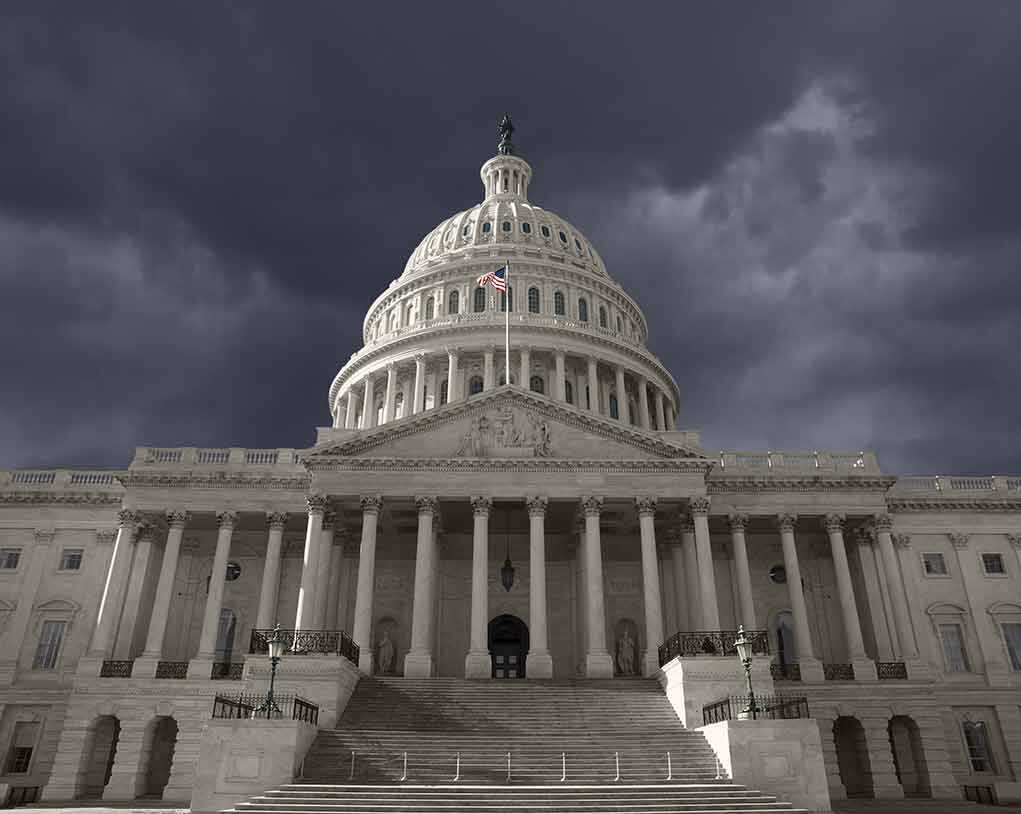
Six United States senators said President Trump’s Russian diesel plan runs against Congress’s 2022 law barring Russian energy imports. Their joint statement said Congress was clear that no Russian oil should enter the United States until Russia ends its aggression and threats to the North Atlantic Treaty Organization. They urged the administration to reverse course and explain the legal basis. Reports list Senators Susan Collins, Lisa Murkowski, Thom Tillis, John Curtis, Jeanne Shaheen, and Richard Blumenthal as signatories.
Their objection centers on statutory limits and oversight. The senators argue the plan could hand Moscow a financial lifeline while its forces continue attacks in Ukraine. They also say the executive branch moved without proper consultation with Congress. Public reporting quotes their claims but does not include the full legal memo, specific statute sections, or all consultation records. That gap leaves important details unsettled for now, even as calls for reversal intensify.
What The Administration Actually Authorized And Promised
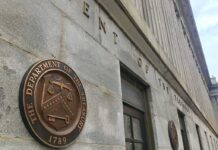
President Trump announced that Russia would send more than 300,000 tons of diesel at once, with 500,000 tons in November and 1 million tons after that. He said more supply would bring prices down fast for Americans and global users. Soon after the announcement, the Treasury Department issued a temporary general license. That license allowed qualifying Russian diesel cargoes to move through the global market under defined terms and timelines, rather than scrapping wider sanctions entirely.
Trump’s case is simple: families, truckers, and farmers are hurting from high fuel costs. He links those costs to global disruptions and argues that expanding supply will ease pressure. An industry analyst cited in reporting said the plan could cut diesel prices by about 10 to 20 cents per gallon in the short term. That is not a cure-all, but it is real relief if it reaches the pump. The relief, however, must be weighed against legal limits set by Congress.
The Core Tension: Price Relief Versus Sanctions Strategy
Conservatives value the rule of law and energy security. Here, those goals pull in different directions. The 2022 law sought to choke off Russian energy revenue reaching the United States. The administration’s move seeks near-term price relief by loosening one channel of supply. Supporters say it is limited and temporary. Critics say any opening that moves Russian product into our market, or through our system, breaks Congress’s clear line. That question turns on the statute’s exact text and exceptions, which remain unseen in full in public reports.
There is also a national interest test. American workers and small businesses need affordable fuel to move goods and grow jobs. But Americans also deserve confidence that their dollars do not fund an adversary’s war machine. If the license truly fits a lawful exception and clearly keeps U.S. money from propping up Moscow, the administration should show that record. If not, the White House should change course, seek alternative supply, and honor the letter and spirit of the 2022 ban.
Accountability Steps Congress Should Demand Now
Congress should require the Treasury Department to deliver the full license text and the legal memo that supports it. Lawmakers should obtain any notices or briefings that the executive branch claims satisfied consultation duties. They should also demand a public estimate of how much revenue could reach Russia from the allowed cargoes, and what safeguards block funds from aiding its military. Clear, documented answers will let Americans judge whether this plan follows the law and defends our interests.
Bottom Line For Readers
The administration says the move will lower prices soon. The senators say the plan may violate a clear law and risk funding a hostile regime. Both claims cannot stand without records. The fastest path forward is sunlight. Show the legal footing and the safeguards, or stand down and pursue non-Russian supply. Energy affordability matters. So does keeping faith with the law Congress passed and with American families who do not want their dollars fueling war abroad.
Sources:
youtube.com, bbc.co.uk, washingtonpost.com, apnews.com, npr.org