Florida Governor Ron DeSantis urged residents in evacuation zones to leave ahead of Hurricane Isaias as storm surge threats rose along the Panhandle.
Story Highlights
- DeSantis told people in evacuation zones to get out before conditions worsened.
- Officials warned that storm surge, not just wind, posed the greatest danger.
- Multiple Panhandle counties issued evacuation orders for low-lying areas.
- National Hurricane Center forecasts showed heavy rain, flooding, and a likely landfall near Destin.
Governor’s Call: Leave Now if You Are in an Evacuation Zone
Governor Ron DeSantis told Floridians in evacuation zones to leave before roads flooded and power failed. He said residents should depart as soon as local officials ask them to go, stressing the risk of fast-changing conditions and likely outages. CNBC reported that officials expected landfall near Destin and warned residents to plan for power loss and blocked roads as the storm closed in. The appeal focused on timely action rather than last-minute rescues that strain first responders and endanger families.
DeSantis also emphasized the unique danger from water. He said people should run from the water even if they hide from the wind. ABC News quoted him saying storm surge places lives at risk for those who ignore orders to leave. That message reflects long-standing hurricane guidance across the Gulf Coast. Flooded roads, downed lines, and rising water can trap anyone who waits too long. Leaving early keeps families ahead of the surge and helps emergency crews stage safely for recovery.
Where Evacuation Orders Applied Across the Panhandle
ABC News reported evacuation orders across several Panhandle counties, including Bay, Escambia, Okaloosa, Santa Rosa, Walton, Franklin, and Gulf. Local leaders targeted barrier islands, zones A and B, and other low spots that flood first. These orders fit Florida’s normal system in which counties issue zone-based instructions, while the state coordinates support. People in these areas face fast water rise, limited bridges, and few routes. Early movement reduces jams and gives families time to reach shelters or stay with relatives inland.
Officials warned that evacuation requests varied by location and time as conditions shifted. Counties determine who leaves and when. The Governor’s role is to reinforce those local calls and surge state resources where needed. That means some neighborhoods faced mandatory orders, while others got strong advisories to go. Families should always follow their county map and alerts. If your zone is told to evacuate, delay can be deadly once water starts pushing in from bays, sounds, and inlets during peak tide and onshore wind.
What Forecasters Saw: Track, Surge, and Flood Risk
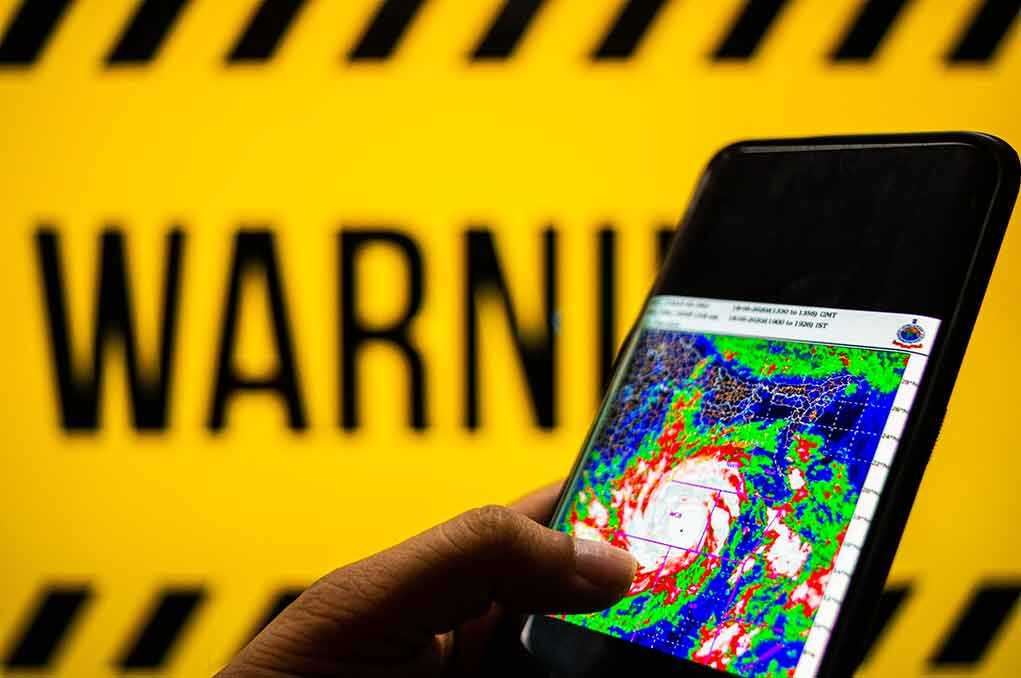
National Hurricane Center guidance pointed to heavy rain across the Florida Panhandle, with four to eight inches possible and pockets of higher totals. Forecasters warned of flash and urban flooding in low areas and noted a likely landfall near the Destin area with dangerous conditions along the coast. A local statement described strong winds near landfall and significant water rise threats in surge-prone spots. These details match the Governor’s focus on water hazards and explain the zone-based evacuation push.
As the system moved inland, National Hurricane Center updates described rapid weakening and a shift to a post-tropical state, which often happens after landfall. That later stage did not erase the earlier surge and flooding danger along the coast. The strongest risks hit at or before landfall, when winds pile water into bays and estuaries. Officials must act before that peak to save lives. The forecast track and expected intensity the day before landfall made early evacuation the prudent call for those at risk.
How the Evacuation System Works and What Families Should Do
Florida’s hurricane playbook relies on county-led evacuations with support from the state. Counties draw the maps, issue orders, and stand up shelters. The Governor’s team pushes supplies, highway help, and guard units to keep routes open. Residents should know their zone, fuel up before lines form, and secure medicine and papers. If local officials tell you to leave, go during daylight if you can. Do not drive through water, and avoid bridges once wind picks up and surge rises.
🚨 BREAKING: Floodwaters are rushing into Florida’s Panhandle near Destin as Hurricane Isaias makes landfall, raising concerns for residents along the coastline.
Florida Governor Ron DeSantis is at the state’s Emergency Operations Center as officials monitor the situation and… pic.twitter.com/PxrKK9Hjjk
— Profilo politics (@profilopolitics) October 10, 2026
President Trump’s administration supports these state and local moves with federal tools after the Governor requests help. That includes food, water, power crews, and debris teams once the wind and water fall. But the first defense is personal responsibility and quick action. Evacuations protect families and free up police, fire, and guard units to handle true emergencies. When people in known flood zones heed orders, it limits rescues at night in high water and helps communities bounce back faster once the storm passes.
Sources:
thegatewaypundit.com, nhc.noaa.gov, abcnews.com