
Police say a Navy chief tried to meet a child for sex after graphic chats during a regional sting — and they arrested him at Fort Gordon.
Story Snapshot
- Grovetown police arrested Navy Chief Norman Laureano Miranda after alleged graphic chats with an undercover operative posing as a child.
- Investigators say he kept talking after repeated warnings he was speaking with a minor and tried to set up a meeting.
- The Naval Criminal Investigative Service assisted the arrest at Fort Gordon; he faces Georgia child-exploitation charges.
- The case is part of Operation Fourth Take, which logged over 1,400 online contacts during the sting, according to police.
Arrest Tied to Operation Fourth Take
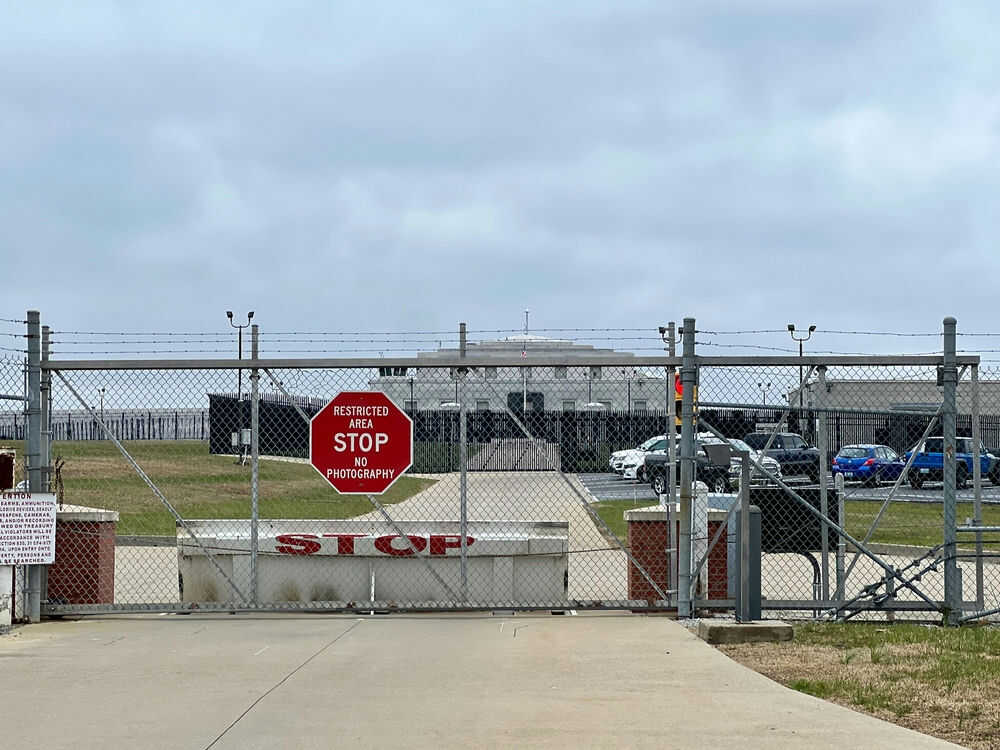
Grovetown Police Department reported the arrest of Norman Laureano Miranda, a 37-year-old Navy chief petty officer stationed at Fort Gordon, on September 30, 2026. Officers said Miranda had repeated online conversations with an undercover operative who posed as a child. Investigators alleged he described sexual acts in detail and continued after being told several times he was speaking to a minor. Police said he also tried to arrange an in-person meeting. He was booked in Columbia County on child-exploitation charges.
Police identified the charges under Georgia law as computer or electronic pornography and grooming of a minor for sexual offense or trafficking for sexual servitude, as summarized in local reports. The Naval Criminal Investigative Service assisted Grovetown officers with the arrest at Fort Gordon, linking the case to military authorities. Law enforcement named Miranda as the seventh person arrested in the operation. Reporters did not quote a public response from Miranda, and court outcomes were not yet available in these accounts.
How the Multi-Agency Sting Worked
Operation Fourth Take targeted adults who sought sexual activity with minors online, using undercover profiles to identify suspects. Grovetown police said the effort generated more than 1,400 online contacts. They reported that more than 150 verified adults expressed interest in meeting minors, and 54 continued to talk about a meeting after being told they were speaking with a child. Authorities said more arrests could follow as they review additional leads from the operation’s contacts and chats.
Courts have long allowed prosecutions based on undercover stings that do not involve an actual child. Federal appellate rulings have held that attempts and inducement can be charged even when an officer plays the role of a minor online, though methods matter. Judges have also thrown out cases when agents went too far and created the crime. These legal guardrails shape how police run online operations and how prosecutors frame evidence at trial.
Charges, Evidence, and What Comes Next
Georgia’s child-exploitation charges often turn on the content of messages, the suspect’s intent, and steps taken to meet. In this case, investigators say the chats show explicit sexual intent and efforts to plan an encounter. The reports do not publish the raw messages or identify the app used. That level of detail usually emerges through court filings, device forensics, and hearing testimony. A judge would later weigh those records against state law to decide what evidence a jury may see.
CHILD PREDATOR STING: Four of the 11 suspects arrested in an Indiana sex sting operation targeting alleged child predators are illegal immigrants from four different countries, DHS said.
The men allegedly believed they were communicating with underage girls online before driving… pic.twitter.com/DvbVENFKhw
— Fox News US (@FoxUSNews) October 2, 2026
Most people across the political spectrum want predators stopped and kids protected. They also want a justice system that gets the facts right. This arrest touches both concerns. People on the right and left worry about powerful systems that fail families. They expect police to act fast but also prove a case fairly in court. The coming steps — arraignment, motions, and any trial — will test the operation’s methods and the evidence gathered against Miranda under Georgia law.
Why This Matters Beyond One Case
Parents see danger on every screen, and police face pressure to act before harm occurs. Undercover work tries to stop abuse before a child is hurt. That is a public safety goal many support. At the same time, Americans want transparency from institutions, including the military and local police. Clear records and open court review help build trust that stings target true offenders and respect civil rights, even as officers move quickly to protect minors.
Sources:
military.com, wrdw.com, wjbf.com, nytimes.com, casemine.com