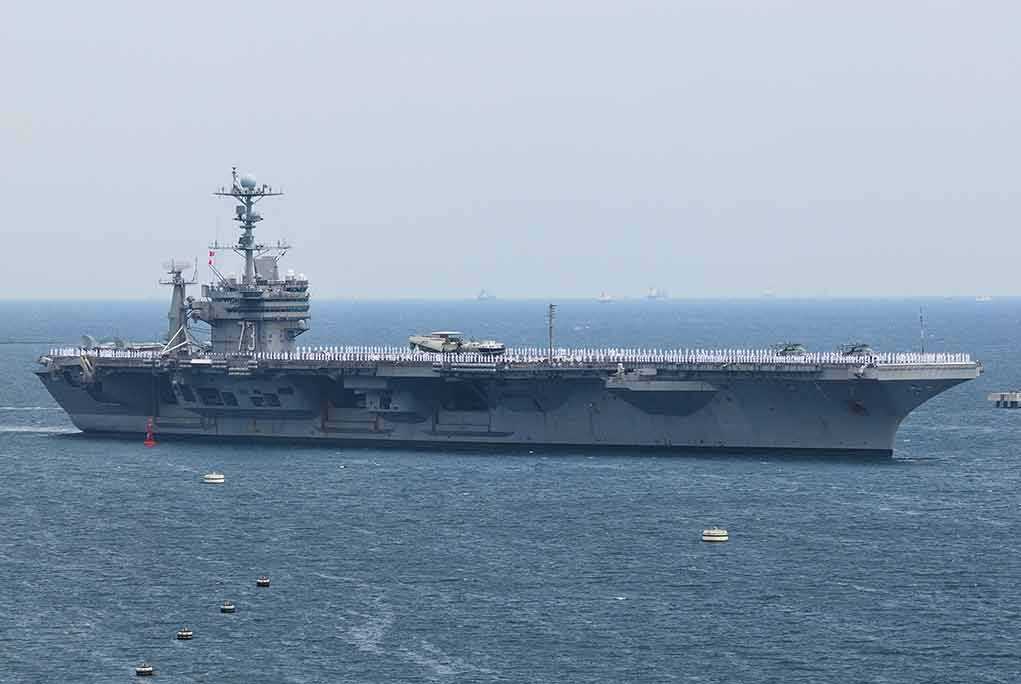
After 321 days on deployment, the USS Abraham Lincoln sailed into San Diego, closing a record-setting mission that kept American power on station and hostile missiles out of our sea lanes.
Story Highlights
- The carrier returned to its home port after a 321-day deployment.
- Officials credit the strike group with thousands of combat sorties and dozens of intercepts.
- Defense Secretary Pete Hegseth welcomed the crew and flagged them for a top unit award.
- The crew endured 265 straight days without a port visit, a modern record.
Carrier Homecoming Marks Clear Operational Finish
ABC News and other outlets reported the USS Abraham Lincoln arrived in San Diego on October 8, 2026, after a 321-day deployment that set endurance marks and ended an intense tour tied to the war with Iran. Coverage described a formal homecoming, with families on the pier and sailors disembarking to cheers. The ship carried more than 4,500 sailors and Marines, reflecting a full carrier strike group commitment, not a routine patrol. That scale underlines how seriously Washington took the threat.
CBS News reported the Navy’s operational tally included over 3,000 combat sorties from the air wing, plus intercepts of 77 Iranian one-way attack drones and anti-ship cruise missiles that put commercial traffic and U.S. forces at risk. Those numbers, while released through senior officials, track with the strike group’s long station time and persistent tasking. The output shows the mission was not symbolic. It aimed to stop attacks, keep waterways open, and protect American partners over many months.
Pentagon Signals High Praise For Performance
Reports say Defense Secretary Pete Hegseth greeted the carrier and stated the crew could receive the Presidential Unit Citation, which is among the nation’s highest unit honors for extraordinary heroism. That signal matters. It tells the fleet and the country that this deployment’s results met the standard for valor under sustained pressure. It also shows President Trump’s national security team is willing to recognize hard service when the job demands long days, tough seas, and real danger.
Media accounts consistently said the Lincoln spent months in the Middle East to support combat operations linked to Iran’s aggression. The ship’s reroute from initial Pacific plans to the Gulf underscored how fast American naval power can shift to meet threats. That flexibility is why a supercarrier matters. It brings jets, radar, and layered defense wherever the commander in chief needs strong options. It also reminds Tehran that the United States can stay on station as long as needed.
Endurance Record Highlights Strain And Resolve
Outlets noted the strike group went a record 265 days without a port call, which is a modern benchmark for time at sea. That endurance kept sorties flowing and defenses ready without the reset a pier can provide. It proved the crew’s resolve, but it also brought fatigue and maintenance strain. Some reporting described welfare concerns during the mission. The Pentagon’s public praise, and the potential unit award, suggest leaders saw the hardship and judged the results were worth it.
USS Abraham Lincoln ends 321-day Iran war deployment amid crew welfare concerns
A 321-day deployment, thousands of combat sorties and months with barely a port call have made USS Abraham Lincoln’s return about more than operational endurance. The carrier’s homecoming also shines…
— Research, News & Analysis (@RNA_NewsMedia) October 9, 2026
The Lincoln’s return also fits a wider pattern of longer carrier deployments during tight global tasking, when deterrence requires a visible, credible force on scene. That trend challenges schedules and families, but it also blocks bad actors from shaping entire regions. For readers who value peace through strength, this homecoming shows what that motto looks like in practice: months of watchstanding, thousands of launches, and constant vigilance so that attacks do not reach our shores or our allies’ ports.
Sources:
facebook.com, abcnews.com, cbsnews.com, yahoo.com, iranintl.com