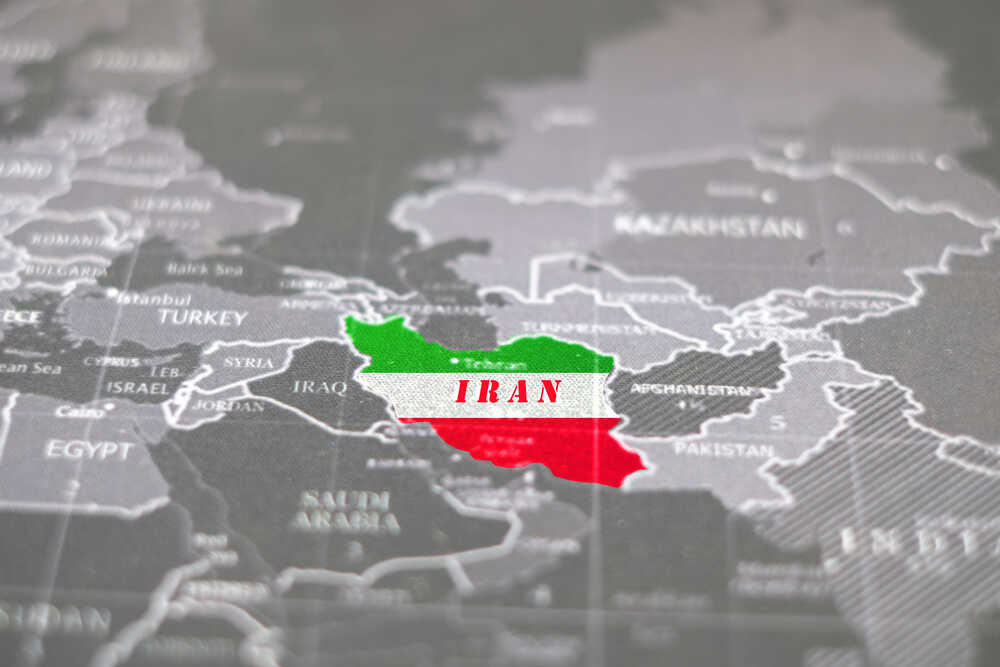
President Trump’s Operation Epic Fury is hammering Iran’s nuclear and missile infrastructure so fast that the next few days may decide whether Tehran escalates—or cracks.
Story Snapshot
- Operation Epic Fury began Feb. 28, 2026, with strikes on IRGC command centers, air defenses, missile/drone sites, and airfields.
- U.S. reporting says more than 1,000 targets were hit early in the campaign, alongside heavy damage to Iran’s naval assets and proxy networks.
- Iran has retaliated with “Operation True Promise 4,” targeting U.S. and Israeli-linked interests across the region.
- Reports of Ayatollah Ali Khamenei’s death are circulating, but public confirmation remains a key uncertainty to watch.
How the Operation Started and What the U.S. Says It’s Targeting
U.S. officials describe Operation Epic Fury as a broad campaign ordered by President Donald J. Trump to neutralize Iran’s nuclear pathway, its ballistic missile arsenal, naval capabilities, and the proxy networks that have threatened Americans and U.S. allies for decades. The operation began February 28, 2026, at about 1:15 a.m. ET with strikes focused on IRGC-linked command nodes and enabling systems such as air defenses and launch infrastructure.
That targeting approach matters because it signals a strategy aimed at degrading Iran’s ability to regenerate attacks—rather than just responding to the latest provocation. U.S. accounts emphasize “failed diplomacy” and a long record of Iranian aggression as the rationale for action, and they frame the operation in “peace through strength” terms. For American voters tired of years of strategic drift, the administration is presenting a clear objective: deny a nuclear Iran and reduce the regime’s capacity to project power through terror proxies.
Early Battlefield Indicators: Scale, Losses, and Unverified Leadership Claims
As of early March, reporting tied to the operation claims more than 1,000 strikes or targets hit in the opening phase, along with significant losses to Iranian naval assets, including multiple ships reportedly sunk. The same reporting environment also includes claims that Iran’s Supreme Leader Ayatollah Ali Khamenei was killed, with a leadership council forming in response. That specific point remains a major watch item because the provided sources acknowledge uncertainty around confirmation.
U.S. casualties have also been reported, including four American deaths mentioned in the operation’s early days. Those losses underscore a reality the public often hears too late: even highly planned campaigns can carry risk when Iran and its partners respond across multiple fronts. The administration’s public posture has emphasized continued operations against missiles, naval forces, and proxy structures, suggesting Washington expects retaliation and is attempting to stay ahead of follow-on attacks rather than pausing after the first wave.
Iran’s Retaliation and the Most Immediate Escalation Risks
Iran’s response has been described as “Operation True Promise 4,” involving missile and drone retaliation against U.S. and Israeli targets and interests in the region, including areas where American partners host bases. The most immediate escalation risk is not simply another exchange of fire, but an expansion through proxies that can hit soft targets and strain regional defenses. Watch for coordinated proxy actions that aim to overwhelm air defenses, target shipping, or create political pressure inside allied capitals.
What to Watch Next: Hormuz, Regime Stability, and the Clock on “Imminent Threats”
The Strait of Hormuz remains a flashpoint because any meaningful disruption can spike energy prices and punish American families already exhausted by years of inflation and fiscal mismanagement. While the research flags the risk, it does not provide specific shipping metrics, so the best near-term signal is whether Iran attempts naval harassment or mining activity after reported damage to its ships. A second watch area is regime stability: leadership turmoil can either reduce coherence or provoke desperation.
The operation also highlights the value—and the limits—of public information during wartime. The sources provided reflect strong U.S. government and allied messaging, but they do not include Iranian perspectives or independent verification for every battlefield claim. That means conservative readers should separate confirmed objectives and timelines from claims still awaiting confirmation, especially regarding leadership outcomes. The constitutional issue for Americans to monitor is how long this campaign runs and what authorities are invoked as it evolves.
Sources:
US Forces launch Operation Epic Fury
How long could Operation Epic Fury last?
Hegseth says Epic Fury goals in Iran are “laser-focused”