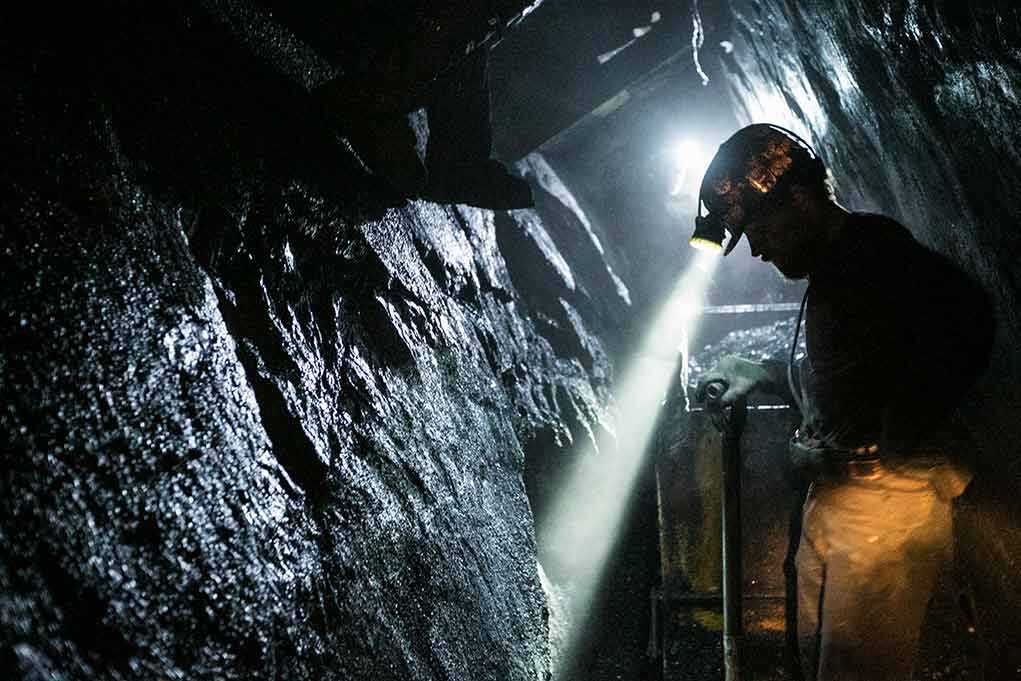
A powerful methane blast deep inside a southwest Pakistan coal mine killed dozens of workers and left others trapped as rescuers fought to reach them.
Story Snapshot
- Officials reported at least 32 to 34 miners dead after a coal mine explosion near Quetta.
- Authorities said a buildup of methane gas likely triggered the blast.
- Rescuers worked thousands of feet underground to locate missing miners.
- Casualty counts varied as teams confirmed recoveries and searched the site.
Deadly Methane Explosion Reported by Balochistan Officials
Pakistani authorities said a methane gas explosion tore through a coal mine complex near Quetta in Balochistan, killing at least 32 to 34 miners and trapping others underground. Officials identified methane buildup as the likely cause and launched a major rescue effort. Early reports described workers buried at great depth and difficult access routes for teams moving in heavy gear. Reuters reported officials confirmed at least 11 dead with dozens missing as searches continued in the damaged tunnels.
Local rescue leaders said crews faced unstable shafts and poor air as they advanced. Depth, heat, and debris slowed the push to reach trapped miners. Officials described narrow passages and the risk of a second collapse after the initial shock. The reported blast pattern matched methane ignitions seen in prior Balochistan mine disasters. Teams rotated in shifts to maintain oxygen and keep gear working under harsh conditions while families waited at the site.
Why Numbers Shift in Fast-Moving Mine Disasters
Reporters and officials often release different tolls during the first day of a mine disaster. Early counts reflect what rescuers can confirm at each shaft. As teams reach new galleries, totals change. That pattern appeared again here. Al Jazeera cited at least 11 dead as of Thursday while warning that many were still missing. Reuters relayed a similar baseline with “dozens” unaccounted for as night operations continued. These updates track the pace of tunnel-by-tunnel searches.
Prior events in the same province show the same cycle. Officials in earlier Balochistan incidents first shared smaller counts before rescue teams recovered more bodies and refined the site map. Methane explosions, cave-ins, and poor ventilation repeat across the region’s private pits. Aging equipment and long, deep galleries make quick rescues hard. Each new tunnel reached can change the total. That is why credible outlets stress provisional figures during the first 24 to 48 hours.
Safety Risks in Balochistan’s Coal Sector
Methane gas forms in coal seams and can ignite from a spark, flame, or faulty gear. Proper ventilation and gas monitors reduce that risk, but breakdowns can be deadly. Officials said this blast likely started with methane buildup, a recurring cause in the province. Rescue accounts pointed to a deep, complex site that challenged air flow and safe exits. Past reporting from the region shows repeated warnings about gas, dust, and tunnel collapse during routine shifts.
Pakistan coal mine tragedy: At least 34 miners have lost their lives after a powerful explosion deep inside a coal mine triggered a fire and structural collapse. Rescue teams have recovered dozens of bodies and brought 22 workers to safety. #Pakistan #CoalMine #BreakingNews pic.twitter.com/pv1IQAvqMv
— Bharat Observers (@BharatObservers) July 31, 2026
This tragedy again highlights the human cost when basic safeguards fail. Accurate numbers will firm up as teams finish searches and confirm identities. What is clear now is the scale of loss and the danger that miners face daily. Families wait for answers while crews work in hazardous tunnels to bring every man home. Officials pledged to keep searching until all miners are found and to review mine safety practices after operations conclude.
Sources:
youtube.com, arabnews.com, aljazeera.com