

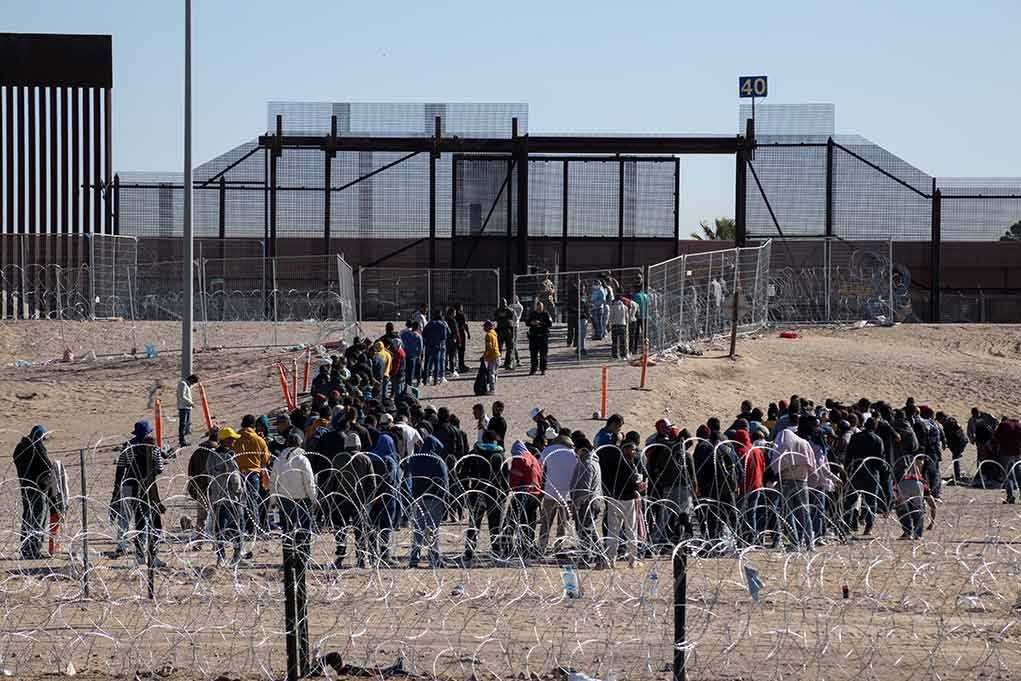
Emergency-service data from Spain’s Ceuta show sexual-assault files jumped 650% after a migrant surge, a stark warning about border chaos and public safety.
Story Highlights
- Ceuta’s emergency service recorded 30 sexual-assault files vs. 4 the prior year period.
- The increase followed a large, documented influx of migrants at Spain’s North Africa border.
- Ceuta’s chief prosecutor said reports were frequent and some victims feared coming forward.
- Knife, firearm, and assault-related files also spiked across the same comparison window.
Emergency Records Show Sharp Rise In Assault Files
Emergency-service records in the Spanish enclave of Ceuta show sexual-assault files rose from 4 to 30 between July 30 and October 29 compared with the same period the prior year, a 650 percent increase. The report describes 16 of the 30 files involving minors. These 112 emergency files track reported incidents, not court-proven crimes, but they mark a clear surge in calls for help during the period reviewed.
The emergency-service data also show broader jumps in violence-related categories over the same dates. Total incident files reportedly grew from 2,233 to 11,286. Firearm-related files rose from 8 to 56, knife-related files from 23 to 268, and assault files from 209 to 1,777. Together, the figures point to a significant increase in public-safety workload after late July.
Prosecutor And Police Sources Describe Frequent Reports
Ceuta’s chief prosecutor, Silvia Rojas, said authorities recorded 23 sexual assaults after the influx, with nine involving children, and noted that some victims did not report because they were afraid or due to their situation in Ceuta. Her comments suggest underreporting could mean the real victim count is higher than the files show. Police-union sources separately described more than a dozen assaults since July 30, many with underage victims.
These accounts come as the community’s institutions strain under the volume of cases. Prosecutors and police must prioritize victim safety, evidence collection, and fair process, all at once. The 112 files help emergency responders deploy quicker, but they do not identify alleged perpetrators or confirm guilt. That distinction matters for courts, yet the on-the-ground signal to families is simple: reported harm jumped and needs a rapid, firm response.
Spike Followed A Large Influx At The Africa–Europe Border
The surge in emergency files followed a major wave of arrivals into Ceuta, Spain’s enclave on the North African coast. Past coverage of Ceuta’s border crises shows how fast conditions can change when thousands cross in a short span. One report documented about 5,000 crossings on a single day in 2021, with about 6,000 present by the next morning, including around 1,500 suspected teenagers.
The pattern seen in Ceuta aligns with what often happens when reception centers, police, and social services face sudden pressure. Crowded shelters, limited screening, and thin staffing raise risks for women and children. Reported harassment and assaults against migrant women in Ceuta itself were also documented during the crisis months, underscoring that vulnerable people on all sides bear the costs when borders fail and order breaks down.
What These Numbers Mean For Policy And Safety
The emergency-service counts provide an early safety alarm for local leaders and families. Officials must protect victims, pursue offenders, and restore order fast. At the same time, courts will determine individual guilt. The data do not list perpetrators’ nationalities or legal status, so they cannot assign blame by group. Even so, the steep rise in serious incident files after the influx is a clear operational fact authorities must address now.
Common-sense steps are clear: secure borders to prevent uncontrolled surges, separate adults from minors at intake, expand vetted housing with strict supervision, and surge police and victim-services teams when crossings climb. These actions support victims, protect residents, and uphold the law. When nations enforce borders and demand accountability, communities are safer, predators face justice, and the most vulnerable are not left to fend for themselves.
Sources:
youtube.com, iamgrok.org, bignewsnetwork.com, thenationalpulse.com, dailymail.com, dw.com