

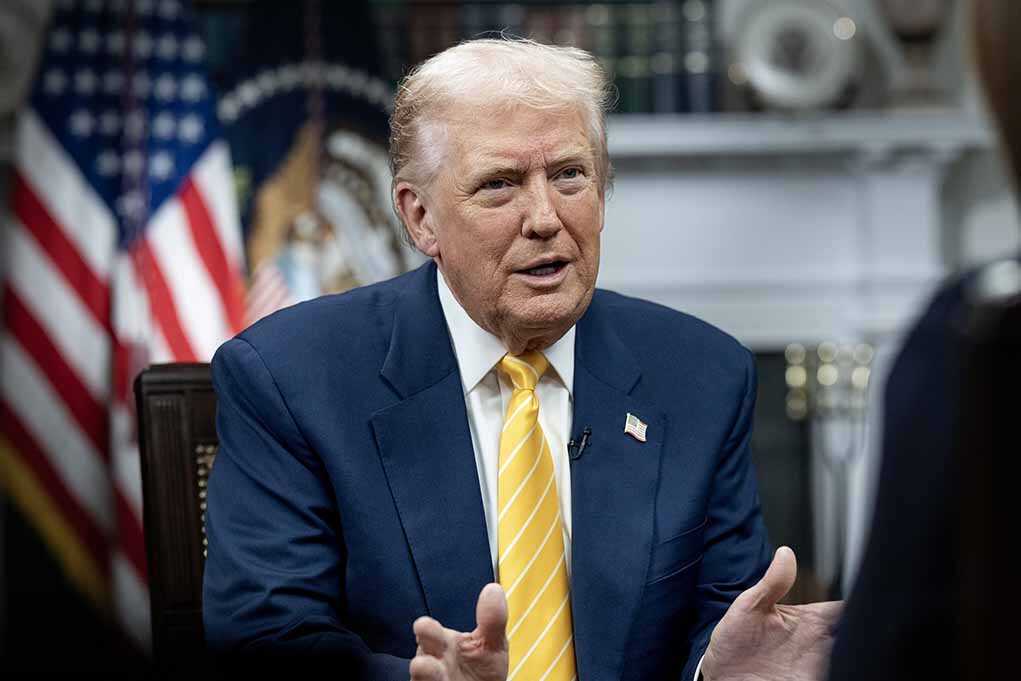
After Democrats seized Congress, President Trump said he can still cut deals with them on healthcare while keeping his veto power ready.
Story Highlights
- President Trump said there is a “real possibility” for bipartisan wins, especially on healthcare.
- Democrats are set to control both the House and Senate in January 2027.
- Trump framed his veto as leverage to shape any Democratic bills.
- Research shows presidents often mix outreach with veto threats during divided government.
Trump Sets Terms: Work With Me, Or Face The Veto Pen
President Trump told reporters that Democrats, who will run Congress next year, should work with him to get results. He said his veto power is a starting point for talks, not the end of them. He also said there is a “real possibility” to pass “great things,” and he named healthcare as the top target for a deal. Trump stressed any plan must reflect his terms and avoid the left’s wish list that raises costs or hands power to Washington.
Trump added that working with Democrats could even prove easier than past fights inside his own party. He argued that clear lines and firm leverage can focus talks and deliver outcomes that help families now, not years from now. He pointed to healthcare because it hits every household budget. He also framed his stance as a test for Democrats: send serious bills that lower costs and protect choice, or see them returned with a veto stamp.
New Map In Washington: Democrats Control Congress
Major news outlets projected that Democrats will take over both chambers of Congress after the 2026 midterms. That shift sets up two years of divided government with President Trump in the White House and Democrats writing the first draft of bills. Their leaders promised an aggressive agenda. But any bill must still pass Trump’s desk. That reality gives the White House power to block, shape, and time what becomes law.
Veterans of past standoffs say the veto can be a strong bargaining tool. Presidents have used it to force changes on spending, guardrails on regulation, and limits on new entitlements that drive deficits. Trump signaled that approach now. Democrats can pass messaging bills to please their base. But to reach the Oval Office, they must trim out costly items, protect patient choice, and avoid mandates that raise premiums or kill private options.
What A Real Health Deal Could Look Like
Policy analysts say bipartisan progress tends to start small and attach to deadlines, like expiring programs or must-pass funding. Items with broad support and clear savings can move first. That means targeted steps to lower drug costs, expand price transparency, and crack down on pharmacy middlemen could lead. Trump’s team can also demand freer markets, more competition across state lines, and protection of doctor-patient decisions to block one-size-fits-all rules.
The White House also knows rhetoric alone does not pass bills. Studies of past presidents show that simple calls for bipartisanship rarely move votes in Congress. Lawmakers respond to strong policy detail and real political incentives, not speeches. That is why Trump’s public pitch comes paired with a concrete lever: the veto. It changes the math for Democratic leaders who want a signing ceremony instead of a stalemate.
Conservative Bottom Line: Guardrails First, Deals Second
Trump’s message is simple: protect families from higher costs, protect choice, and block power grabs by Washington. Veto leverage makes that possible, even with Democrats writing bills. Conservatives should watch for bright lines on spending, no new taxes, and no back-door rules that punish private coverage or rural providers. Any plan that raises premiums, limits doctors, or expands bureaucrats will hit the veto wall on arrival.
Divided government does not have to mean gridlock. It can mean clarity. Democrats can pass targeted, paid-for reforms that lower costs and increase transparency. President Trump can sign those wins while stopping attempts to smuggle in woke mandates, new entitlements, or open-ended spending. The next test comes soon, as Congress drafts early health items. Voters will see if Democrats choose results over theater—and if the White House’s guardrails hold firm.
Sources:
youtube.com, reuters.com, rmb.reuters.com, nbcnews.com, bbc.com, cambridge.org