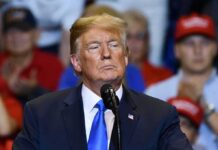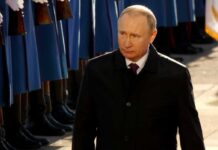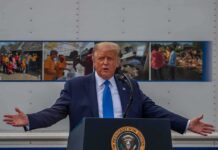

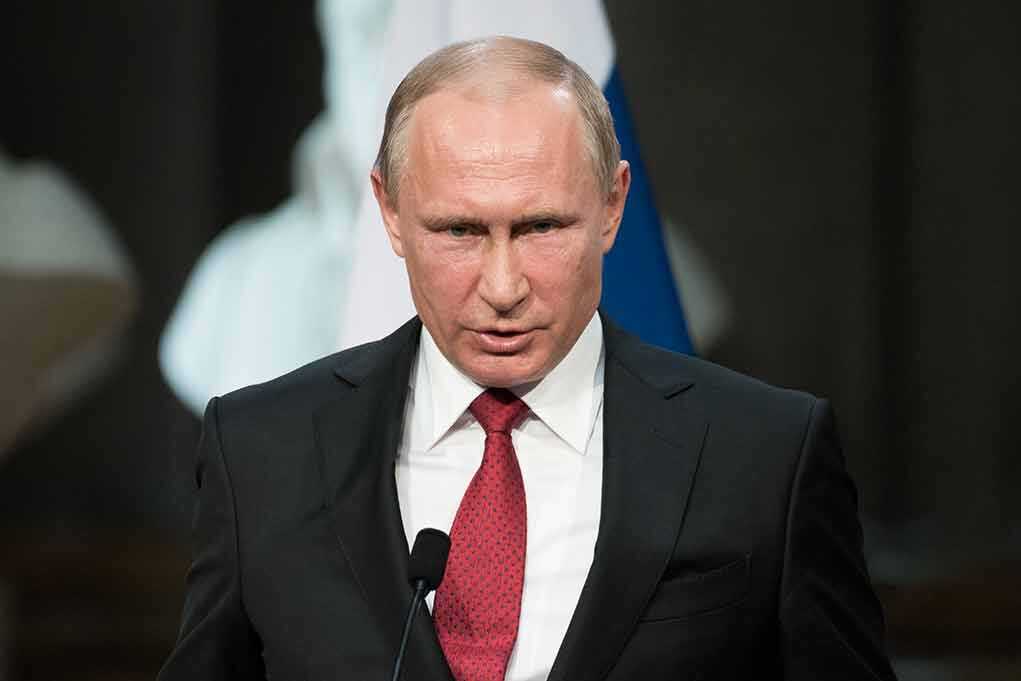
President Trump pressed for a negotiated end to the Ukraine war after a 90‑minute call with Vladimir Putin, while blasting Volodymyr Zelenskyy for blocking real movement and urging Ukraine to hold elections.
Story Highlights
- Trump discussed a diplomatic path with Putin on July 4 and offered to help end the war.
- Kremlin officials described Russia’s aim as a political settlement, while Zelenskyy said talks with Trump were “very good”.
- Trump allies planned follow‑on mediation visits, keeping channels open for a deal.
- Zelenskyy later rejected claims of a “dead end,” but set strict conditions for any peace.
Trump’s Push: Phone Diplomacy and a Path to Talks
Reuters reported that President Trump spoke with Putin for nearly 90 minutes on July 4. A Kremlin aide said Trump offered to help “find solutions” and speed an end to the fighting. The Kremlin framed Russia’s goal as a political and diplomatic settlement that reflects its core demands. The call showed active White House engagement and a clear search for a way out of the war rather than an open‑ended proxy conflict that drains Western resources and raises energy prices.
Reporting also indicated that Trump’s representatives, Steve Witkoff and Jared Kushner, would continue mediation and were prepared to visit Moscow. That detail signaled the administration’s intent to keep talks moving beyond one call. While a negotiated end will test both sides’ red lines, sustained contact beats drift. Drift means more dead, more debt, and more pressure on American families already hit by high costs born of years of bad spending and energy policy by the left.
Zelenskyy’s Position: Open to Talks, Firm on Conditions
Ukraine’s president said his July 4 conversation with Trump was “very good.” He said they discussed the front line and agreed to keep talking at the upcoming NATO summit. Later, Zelenskyy pushed back on claims of a diplomatic dead end and said Ukraine was ready to discuss peace in any workable format. His government and partners also called for a complete ceasefire and direct talks with Ukraine’s full participation in any agreement.
Kyiv has laid out strict terms for peace. Government statements say Russian troop withdrawal, a halt to hostilities, and full control of Ukraine’s borders are non‑negotiable. Those are maximal goals and align with Kyiv’s sovereignty claims. They also make the gap with Moscow stark. The record does not show Russia offering concrete concessions after the July 4 call, and Putin later tied talks to election timing and security incidents. These hard realities complicate any quick deal.
Elections Question: Legitimacy, Law, and War Limits
Trump has argued that Ukraine needs elections to refresh leadership and unlock a deal. Wartime law in Ukraine restricts voting, and legal experts note martial law and security risks make nationwide elections very hard. Some analyses explain that while the constitution leaves room in theory, current legislation and safety conditions limit practice. Calls for elections therefore run into legal and operational barriers until there is at least a ceasefire and stable conditions for citizens to vote.
The election debate matters because legitimacy shapes leverage at the table. A leadership with a fresh mandate can claim a clear public backing for hard choices. But elections under fire risk chaos and disputed results. That is why even Ukrainian sources stress the need for a ceasefire before ballots. The near‑term path likely runs through pressure for talks, a verifiable pause in fighting, and then a serious push to settle core issues in phases that voters can judge.
What We Know, What We Do Not
We know Trump engaged Putin directly, offered help, and kept channels warm through envoys. We know Zelenskyy said their call was productive and that he supports continued talks. We also know Ukraine’s stated terms demand full Russian withdrawal, while Moscow speaks of diplomacy alongside its “fundamental” positions. What we do not have is a published offer with concrete, testable concessions from Russia or an agreed framework that both sides accept today.
Ukraine is not harming America's economy. That is Trumps war with Iran and his Tariffs. Putin started that war, why isn't Trump calling in Putin to stop it? Trump has his phone call with Putin then calls for Zelenskyy to step down. It is obvious who is controlling who here!!!
— Christine (@chrisdouthirt) October 11, 2026
For conservatives, the stakes are clear. Endless war drains the United States, spikes energy costs, and invites more global overreach. A deal that secures peace and cuts American exposure serves our families and our security. The Trump team’s task is to force movement toward a real ceasefire, verify on the ground, and stop writing blank checks. Keep pressure on all sides to talk, prove good faith, and deliver results that put America’s interests first.
Sources:
thegatewaypundit.com, bbc.com, cnn.com, inquirer.com, ndtv.com, president.gov.ua, zois-berlin.de, constjournal.com