
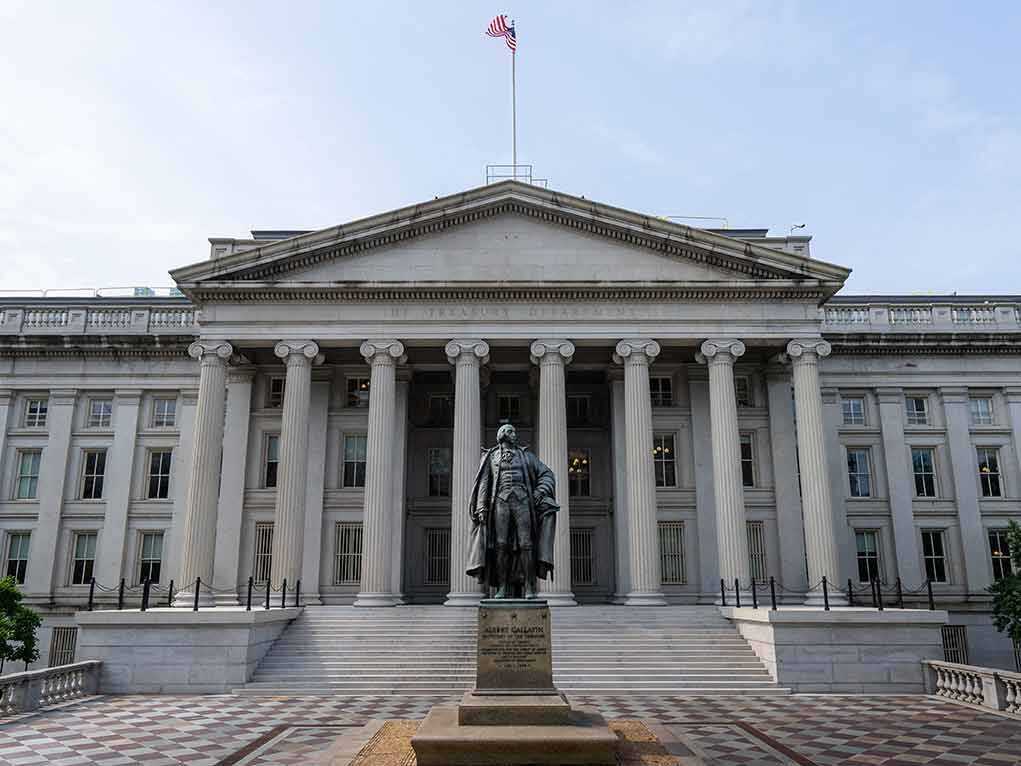
U.S. Treasury says it has mapped nearly $15 billion tied to Iran’s shadow banking and is now sanctioning the networks that move it.
Story Highlights
- Treasury identified about $14.7 billion in activity potentially linked to Iranian shadow banking from 2025–2026.
- Operation Economic Outcast sanctioned over two dozen exchange houses, front companies, and personnel.
- Designations build on earlier actions that traced billions moving for Iran’s defense and sanctioned banks.
- Officials describe layered shell firms across multiple countries moving funds and masking Iranian control.
Treasury Flags Nearly $15 Billion and Moves to Disrupt Iran’s Cash Flows
The U.S. Department of the Treasury’s Financial Crimes Enforcement Network reported about $14.7 billion in financial activity from January 2025 through August 2026 that it says was potentially tied to Iran’s shadow banking networks. On the same day, the Office of Foreign Assets Control announced sanctions on more than two dozen Iranian exchange houses, front firms, and key personnel under Operation Economic Outcast. Officials framed the push as part of President Trump’s strategy to choke off funds that fuel Iran’s regime and its security arms.
Officials said the goal is simple: make it harder and costlier for Iran to access dollars, euros, and other hard currency through covert paths. Treasury described a system that hides Iranian control behind foreign shell companies, middlemen, and complex payment routes. Designations target identified nodes that Treasury says help sanctioned bodies reach the global financial system. The action seeks to warn banks, brokers, and shippers that these counterparties present high risk and could trigger penalties if serviced.
How the Networks Work: Exchange Houses, Shell Firms, and Layered Transactions
Treasury’s past cases outline a clear pattern. Tehran-based exchange houses and affiliates move money for sanctioned institutions using foreign cover companies and multiple currencies. A 2024 action named Omid Sepah Exchange Company and Hekmat Iranian Exchange and said they used foreign cover companies to process transactions for Iran’s Ministry of Defense Supply Division. Another case described transfers in Chinese yuan, United States dollars, and United Arab Emirates dirhams routed through a private exchange house between August and November 2023.
Later rounds in 2026 said these exchange houses moved hundreds of millions, even billions, each year for sanctioned Iranian banks by layering shell firms across several countries. This approach hides the true owners, shifts accounts when flagged, and blends illicit flows with normal trade payments. By naming firms and individuals, Treasury aims to expose the layers and push global compliance teams to freeze, block, or exit these relationships. That action can raise Iran’s costs and slow procurement for sensitive sectors.
What Operation Economic Outcast Changes on the Ground
Operation Economic Outcast packages designations to hit multiple links in the same chain at once. The new listings focus on exchange houses, front companies, and facilitators that Treasury says form the backbone of Iran’s offshore access. The strategy builds on earlier multistep campaigns, including actions branded under Economic Fury, which targeted commodity smuggling and associated financing tools. Together, these rounds try to restrict cash flows linked to defense industries and other sanctioned bodies by cutting their options in major financial hubs.
The Financial Crimes Enforcement Network report and the sanctions push also serve as a notice to banks and payment firms worldwide. Screening teams use Treasury names to rerun alerts, search correspondent accounts, and review flagged transfers. Many institutions will de-risk fast when they see matched names or patterns. That private-sector response can compound the government move and force evasive networks to rebuild from scratch, which drains time and money for Iran’s regime.
Why This Matters for U.S. Security and Energy Stability
Sanctions are more than press releases. They are tools to protect American troops, partners, and families by starving funds that support hostile activity. The record Treasury cites shows Iranian networks moving large sums through foreign fronts to aid defense-linked entities and sanctioned banks. Disrupting those channels supports President Trump’s policy to confront state sponsors of terror and to keep hostile regimes from turning oil sales and covert finance into missiles, drones, and proxy warfare that threaten Americans and allies.
One caveat from Treasury is that the $14.7 billion reflects activity “potentially linked,” not a court-tested total of illicit transactions. But the designations rest on named entities, mapped relationships, and transaction routes that Treasury has tracked across several years and actions. The practical test now is execution: how many accounts close, how many payments fail, and how quickly Iran’s networks can be rebuilt. That scoreboard will show whether this campaign has severed one of Tehran’s last financial pipelines.
Sources:
redstate.com, home.treasury.gov