
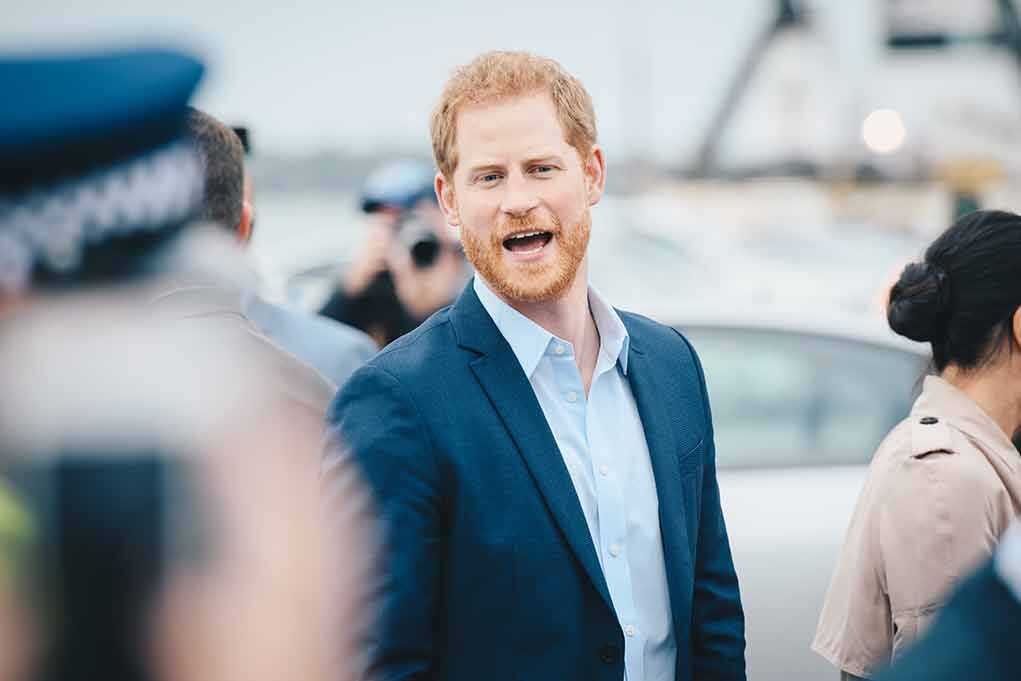
Prince Harry pledged to rejoin the British military “100%” if asked, tying his vow to the threat from Russia.
Story Snapshot
- Harry said he would serve again if called, citing Russia’s threat to Europe.
- The pledge came during an interview released November 18, 2026, after a visit to Ukraine.
- He served about a decade in the British military, including Afghanistan tours.
- The statement shows willingness, not a confirmed enlistment or assignment.
Harry’s On-Record Pledge During Ukraine Trip
The Telegraph released an interview where Prince Harry said he would “100% be there to serve” if asked to rejoin, linking his promise to the danger from Russia and the need to defend his country. Reports placed the discussion during his unannounced visit to Lviv, where he met Ukrainian veterans at the Superhumans Center earlier that week. Harry also said Europe had woken up to the Russian threat and that people should be nervous about the stakes.
Outlets across the United Kingdom and the United States highlighted the same core quote and frame. They stated that Harry would return to the Army to face Russia if the need arose, with coverage noting the conditional nature of his remarks. The wide pickup reflects interest in the Russia-Ukraine war’s spillover risk to Europe and how well-known figures communicate resolve. The interview focused on service, solidarity with veterans, and the urgency of the current security picture.
Military Record And What Rejoining Actually Requires
Harry served for about a decade, from 2005 to 2015, including time in Afghanistan as an Army officer, which grounds his pledge in lived experience. British military guidance explains that rejoining is an administrative process. Former personnel apply through recruitment channels. Eligibility, vacancies, medical standards, interviews, and timing all factor into whether service resumes in a full-time or reserve role. A public statement alone does not move a veteran into a billet or onto a deployment roster.
Official Army guidance for rejoiners describes distinct paths for full-time service and the Army Reserve. Ex-regular or ex-reserve soldiers and officers can apply, but age limits, skills, and unit needs shape outcomes. The government’s process notes that rejoining depends on one’s past record and current vacancies, and applications go through a National Recruitment Centre after discharge. These rules ensure readiness, protect standards, and place capability above public profile.
What Was Said, What Was Not, And Why It Matters
Harry’s quote expressed willingness conditioned on being asked. He did not specify a rank, unit, combat duty, timeline, or role. No Ministry of Defence confirmation, enlistment, or assignment has been reported. Coverage centers on his words and the Europe security context, not on a formal personnel action. That keeps this squarely in the realm of a symbolic military commitment, which signals solidarity while stopping short of a re-entry decision.
Reading through the preview of Prince Harry’s interview on Ukraine, it’s worse than you can imagine.
He claims all of Europe is at war with Russia and should be prepared to fight, a reckless bit of fear-mongering.
He seems to think Europe is one entire country, rather than a…
— Royal News Network (@RNN_RoyalNews) November 18, 2026
For Americans watching Europe’s defenses, the message is two-fold. First, a prominent veteran publicly tied service to meeting Russia’s threat, underscoring how serious leaders see the moment. Second, Western militaries still rely on process and standards to fill real jobs with qualified people. That balance—spirit and structure—matters for deterrence. It also echoes a core conservative view: strong borders, strong forces, and sober planning beat headline theater every time.
Sources:
telegraph.co.uk, itv.com, independent.co.uk, edition.cnn.com, fr.jpost.com, jobs.army.mod.uk, gov.uk