
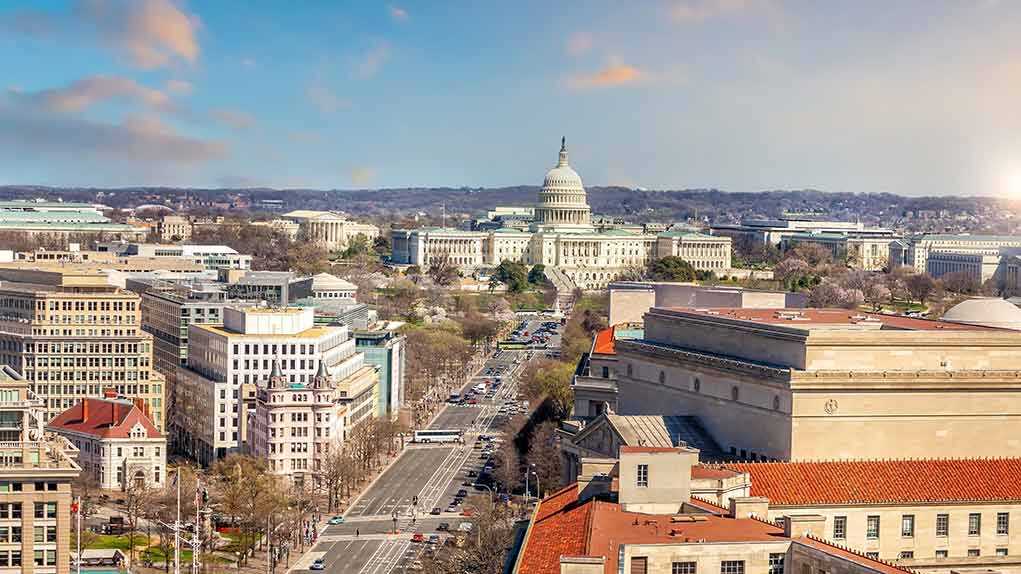
A reported Iranian plan exploring a dirty bomb or chemical attack in Washington, D.C., triggered swift U.S. warnings and new security posture from the Trump administration.
Story Highlights
- CNN reported U.S. intelligence saw Iranian planning tied to a dirty bomb or chemical option in Washington, D.C.
- President Trump warned Iran would pay an unmatched price if it struck the capital.
- Officials said the planning showed intent to keep options open, not proof of an imminent attack.
- Iran denied the allegation as a fabricated narrative, while experts noted no credible threat alerts in D.C. at that time.
What U.S. Intelligence Reportedly Saw
CNN reported that seven U.S. officials described intelligence indicating Iran developed plans that included a dirty bomb or a chemical weapon option and mentioned specific targets and locations in Washington, D.C. Two officials said the reporting was detailed enough to trigger contingency planning inside the U.S. government. Sources framed the activity as keeping options on the table rather than proof of a green-lighted strike, but they also called it an alarming sign of escalation potential.
CNN also reported that intelligence picked up chatter claiming bomb-making materials had been stashed inside the United States. The same report stressed that officials continued to debate Iran’s ability and intent to pull off such an attack. The White House press office said it was monitoring all potential threats but assessed no credible threat to the homeland at that time. These details create both urgency and caution in the public message.
Trump Administration Response and Deterrence Signal
President Trump said Iran would “pay a price the likes of which no country has ever paid before” if it attacked Washington, D.C., sending a clear deterrent to Tehran and reassurance to Americans. Homeland Security Secretary Markwayne Mullin said an attack on the capital would mean “an all-out war,” while also stating that the homeland was secure. The administration signaled readiness to act while keeping the public calm, even as assessments underlined uncertainty about timing or execution.
The policy balance here is tight: act fast on warning, avoid panic, and deter enemies who test boundaries. Conservative readers know deterrence only works when the enemy believes you. Clear red lines help prevent miscalculation. At the same time, officials avoided overstating the case, noting that a dirty bomb spreads contamination with conventional explosives and is not a nuclear blast. Precision in language matters when adversaries mix terror with propaganda.
Iran’s Denial, Expert Views, and What Is Not Yet Proven
Iran’s Foreign Ministry rejected the allegation, calling it a “fabricated media narrative” and likening the coverage to pre-Iraq War propaganda. Independent nuclear-security expert Miles Pomper said the activity could be signaling without a concrete plan to strike. Local safety officials in Washington, D.C., said there were no credible threats at the time. These points do not prove innocence, but they do remind us what is confirmed and what remains unverified in public view.
https://twitter.com/KGRAM_ADA/status/2122884619460612221
Based on the reporting cited, the claim does not show a nuclear weapon or an imminent order to attack. It points to planning, options, and hostile intent consistent with Iran’s past behavior, not a countdown clock. That is why oversight now matters. Congress can push for a redacted intelligence summary that states dates, collection types, confidence levels, and any corroboration. Sunlight strengthens deterrence, boosts public trust, and keeps the focus on facts over spin.
Sources:
cnbc.com, cnn.com, edition.cnn.com