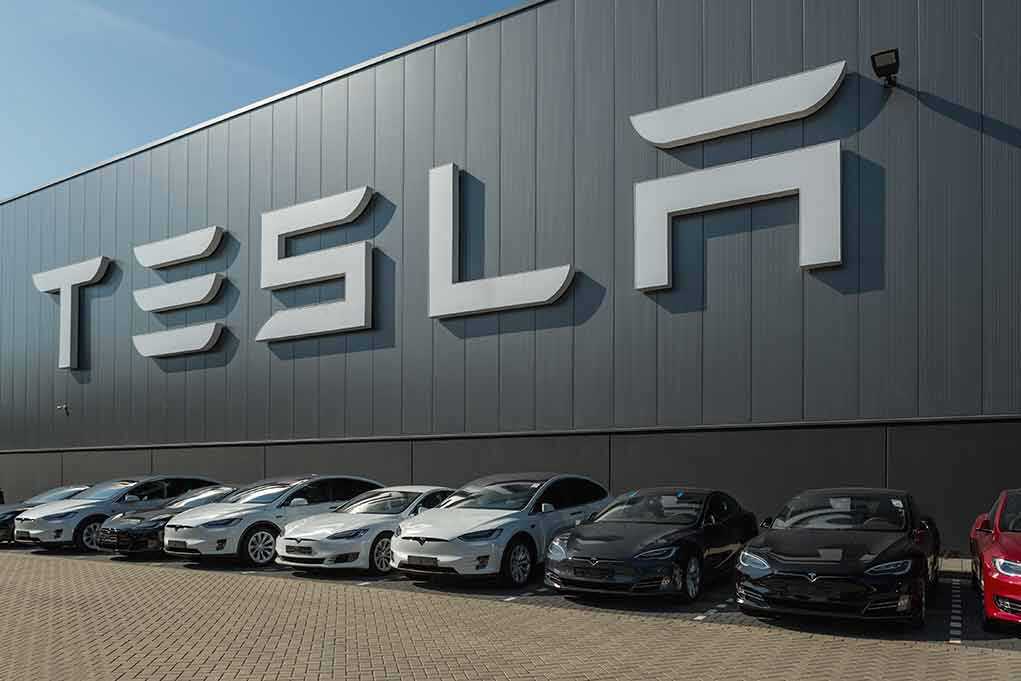
Tesla just put driverless, steering-wheel-free cars on the streets of Austin, and the company is already lining up more states to get the same treatment.
Story Snapshot
- Tesla launched its two-seat Cybercab robotaxi in Austin, Texas, with no steering wheel or pedals.
- The company plans to push the service into more U.S. states after the Austin debut.
- Federal safety regulators are reviewing the rollout but have not stopped it.
- Robotaxi service already runs in Dallas, Houston and the California Bay Area, with Arizona, Florida and Nevada announced.
Cybercab Hits Austin Streets Without a Steering Wheel
Tesla began offering public Cybercab rides in Austin on September 3, rolling out a two-seat vehicle built with no steering wheel and no pedals. The company had told employees back in August it was gearing up for the launch, planning to first give rides to staff before folding the vehicles into its existing robotaxi network. As of the launch, Tesla had registered 45 Cybercabs to its ride-hailing service in Texas.
This is not a science project stuck in a lab. It is a working product carrying paying customers on public roads, built by an American company competing hard against foreign rivals in the race for self-driving technology. For a conservative audience tired of watching manufacturing and innovation get shipped overseas, that alone is worth noting.
Robotaxi Footprint Already Spreading Across Texas
Cybercab is landing on top of a robotaxi service that has grown fast. Tesla expanded its Austin service area five times since last summer, eventually covering the entire Austin metro area on June 3. The company later widened the zone again, adding roughly 9 percent more territory just before the Cybercab event, stretching the coverage to about 288 square miles.
Tesla did not stop at Austin. The company opened unsupervised robotaxi rides in Dallas and Houston in April, meaning three major Texas cities now have driverless service running. Company engineering executive Lars Moravy explained the approach directly, noting that Tesla is expanding “city by city” because “regulatory situations are different city by city”. That is a company being deliberate, not reckless, about where it turns the technology loose.
Federal Regulators Watching, Not Blocking, the Rollout
The National Highway Traffic Safety Administration said it is evaluating Tesla’s Cybercab rollout after the company began offering rides in limited parts of Austin. That is standard oversight, the kind of guardrail conservatives expect from government: watch closely, but do not smother a private company’s ability to bring new technology to market. So far, the review has not slowed Tesla’s rollout or forced a pause in service.
Next Stops: Arizona, Florida, Nevada and Beyond
Tesla has already banked regulatory approval outside Texas. The company received a permit in November to run a ride-hailing service in Arizona, clearing the path for Phoenix to join the network. Service has also been announced for Tampa, Florida, and Las Vegas, Nevada, according to tracking of Tesla’s state-by-state filings. Together with the California Bay Area, that puts the robotaxi program on a path toward six or more cities across multiple states.
Tesla to expand Cybercab robotaxi rollout across more U.S. states after launch in Austin https://t.co/6P5ltA3xAJ
— USA TODAY Tech (@usatodaytech) September 4, 2026
None of this happened by accident. Tesla built its own permitting and city-by-city strategy, and it is now cashing in on months of incremental approvals rather than waiting on a single sweeping federal green light. For an industry that spent years bogged down in regulatory limbo under the last administration, a company actually putting driverless cars on the road and expanding to new states is a signal that American innovation is moving again.
Sources:
teslaoracle.com, teslarati.com, en.wikipedia.org, eletric-vehicles.com, open-robotaxi.vercel.app, reuters.com