

Russia claims a world-first spinal cord transplant, but offers no proof of restored function yet.
Story Snapshot
- Moscow officials announced a 12-hour spinal cord transplant at a top city institute.
- Doctors say donor tissue was fused with polyethylene glycol “glue,” but data are sparse.
- Leaders admit it is too early to judge motor or sensory recovery for the patient.
- Scientists have long warned the underlying method lacks solid human evidence.
Moscow Announcement Describes 12-Hour “First” Procedure
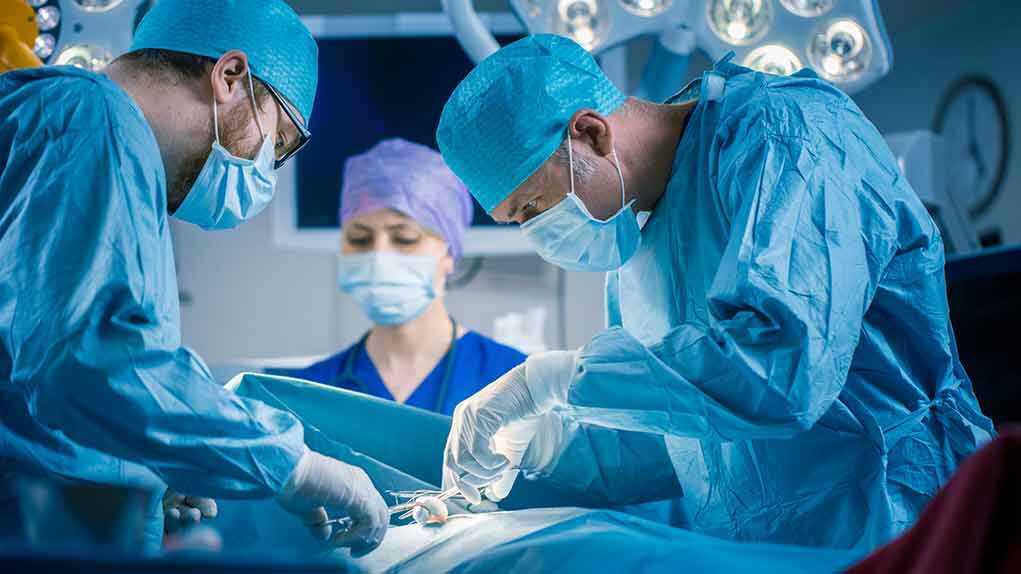
Moscow Mayor Sergei Sobyanin said surgeons performed Russia’s first spinal cord transplant at the N.V. Sklifosovsky Research Institute for Emergency Medicine. He announced the 12-hour operation on October 16, 2026, and called it a unique intervention in the country’s medical history. Reports identify the institute’s director, Sergei Petrikov, and place the work at a major city facility rather than a private clinic. That institutional tie gives the claim weight, but it does not prove success.
Institute officials said the team included Russian and Chinese specialists across several surgical fields. They listed neurosurgeons, microsurgeons, plastic surgeons, orthopedists, anesthesiologists, and experts in neurophysiological monitoring. That scope fits the scale of a complex transplant. The director also said transplanted tissues remained viable after surgery. Viability means the graft lived at first. It does not show that nerve signals crossed the repair or that movement or feeling returned.
What Surgeons Reported Doing Inside the Operating Room
Coverage summarizing New Scientist reports said surgeon Ren Xiaoping described removing an injured segment and replacing it with donor spinal cord tissue. He reportedly said the team used polyethylene glycol as a biological glue alongside microsurgical fusion of the cut ends. That is a concrete technique. Yet the reports do not include an operative record, level of injury, graft length, vascular details, or imaging. Without those, outside doctors cannot verify what, exactly, was transplanted.
Russian transplant rules reportedly expanded on September 1, 2026, to allow spinal cord and nerve transplants. That timing may explain why this procedure occurred now. Officials also said the patient “felt well” after surgery and had a chance for recovery. At the same time, the institute’s director cautioned that it was too early to judge functional outcomes. No motor scores, sensory testing, or scans were released. Announcements moved faster than the measurements most patients and families want.
Why Independent Experts Urge Caution on Results
Neuroscientist Jerry Silver earlier reviewed animal work linked to this approach and said the evidence did not justify human use. He criticized a dog report for weak controls and poor injury documentation, and he said the polyethylene glycol paper offered too little data. Bioethics analyses also flagged a thin record for human readiness and unclear functional goals. They warned that only a small share of severed nerves might reconnect, with unknown benefits. These critiques target method, not hope.
🔴 Surgeons test spinal-cord fusion in pigs; head-transplant debate persists
Neurosurgeon Sergio Canavero and researchers at Moscow's Sklifosovsky Institute severed spinal cords in three pigs midway along their backs, then fused the severed nerve tissue using surgical sealant.… pic.twitter.com/oMuyeN3Vhf
— NewsTongue (@NewsTongueX) October 15, 2026
For families praying for recovery, the key question is function. Can the patient move, feel, and regulate body systems again? The Moscow reports do not answer that yet. They confirm a long operation, a named institute, and initial graft viability. They do not provide standardized scores, imaging, or independent exams. Conservative readers know the pattern: big claims, thin proof. We should demand full operative reports, audited outcomes, and third-party verification before anyone calls this a breakthrough.
Sources:
newscientist.com, cj.sina.cn, spinalsurgerynews.com, pcnews.ru, qazinform.com