
Bernie Sanders used a California rally to attack a Republican House incumbent on healthcare, sharpening a high-stakes fight over government spending and control.
Story Snapshot
- Sanders rallied in Bakersfield to boost Democrat Randy Villegas against Rep. David Valadao.
- The event was part of Sanders’ “Fighting Oligarchy” tour and listed Villegas as a special guest.
- Speakers centered the attack on alleged Medicaid cuts in a Republican budget vote.
- Supporters lined up for hours in triple-digit heat, showing strong progressive energy.
Sanders Targets a Key Central Valley Seat
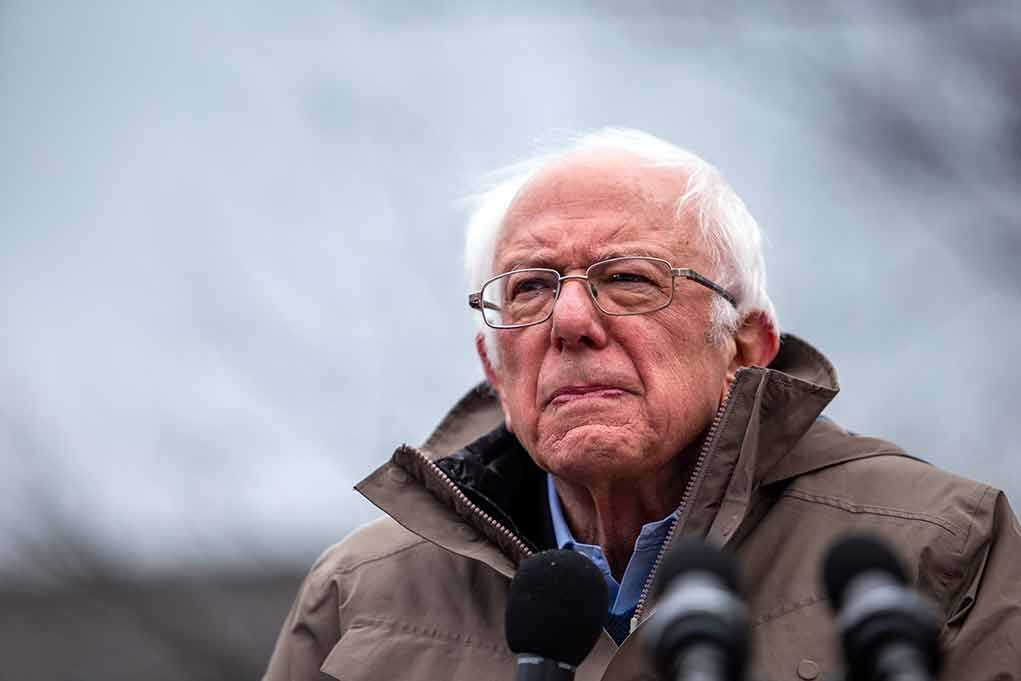
On Sunday in Bakersfield, Senator Bernie Sanders campaigned with Democrat Randy Villegas at Bakersfield High School’s Harvey Auditorium. The event aimed to flip California’s 22nd Congressional District by defeating Republican Representative David Valadao. Local reporting confirms Sanders appeared to rally support for Villegas and spotlight healthcare and cost-of-living issues. The district is a national battleground, so any surge in turnout could shape control of the House in November.
Sanders’ stop was part of the “Fighting Oligarchy” tour. A Sanders event listing named the Bakersfield venue, set the schedule, and billed Villegas as a special guest. That official notice matched the local press accounts describing the same rally and its purpose. The coordination shows a planned effort to inject national progressive energy into a tight local race, with Sanders lending brand power and media attention to Villegas’ campaign push.
Healthcare Clash Defines the Rally Message
Speakers focused on a budget fight and accused Representative Valadao of backing Medicaid cuts. Reporting says Villegas charged that Valadao broke a pledge not to cut the program. Coverage also described broader claims about nutrition help and healthcare access. While this is campaign rhetoric, it sets a clear contrast. Republicans argue for restraint in federal spending, while Democrats demand more government-led benefits and higher outlays in health programs.
Progressive allies joined the stage and linked healthcare costs to what they call oligarch power. They argued insurance companies profit while families struggle. Those claims drew applause and framed the race around who controls money and medicine. For conservative readers, the issue is also about choice, work, and balanced budgets. The line between safety net and permanent dependency is a core question that this race puts front and center for voters.
Turnout and the Stakes for November
Local news described long lines in triple-digit heat outside the Harvey Auditorium. That scene suggests the left’s ground game in the Central Valley is active and motivated. Even so, official attendance figures were not provided in the reports. The energy matters because close House races can hinge on a few thousand votes. Sanders’ visit likely helped Villegas collect voter contacts, volunteers, and small-dollar donations for the stretch run.
The Central Valley race also fits a familiar national pattern. A well-known figure arrives, reframes a local policy dispute as a fight over working families and national identity, and tries to move late-deciding voters. Research and reporting show that such events deliver both message and organization. They can inform voters, but they also align campaigns with powerful interest groups whose policy goals often mean bigger government and higher spending.
What Conservatives Should Watch Next
Voters should track concrete budget plans, not just rally lines. If Democrats regain this seat, expect renewed pushes for larger federal healthcare spending and new mandates. Those choices can raise deficits, crowd out private options, and invite more Washington control over doctors and insurance. Republicans, including Representative Valadao, will need to explain how they will secure care for the vulnerable, fight fraud, and still stop the runaway spending that fueled inflation in recent years.
Energy prices, food costs, and insurance premiums remain top family concerns. The rally talked about those pains, but the fix remains the debate. Conservatives argue that a stronger private economy, more competition in insurance and care, and targeted aid beat sweeping entitlements. Sanders’ stop in Bakersfield shows the left plans to double down on centralized solutions. The choice facing the district is simple: more Washington control, or more local freedom and fiscal discipline.
Sources:
facebook.com, act.berniesanders.com, en.wikipedia.org, dccc.org