
President Trump told the United Nations he will either make a deal with Iran or “annihilate the Islamic Republic,” drawing a hard line meant to stop the regime from ever building a nuclear bomb.
Quick Take
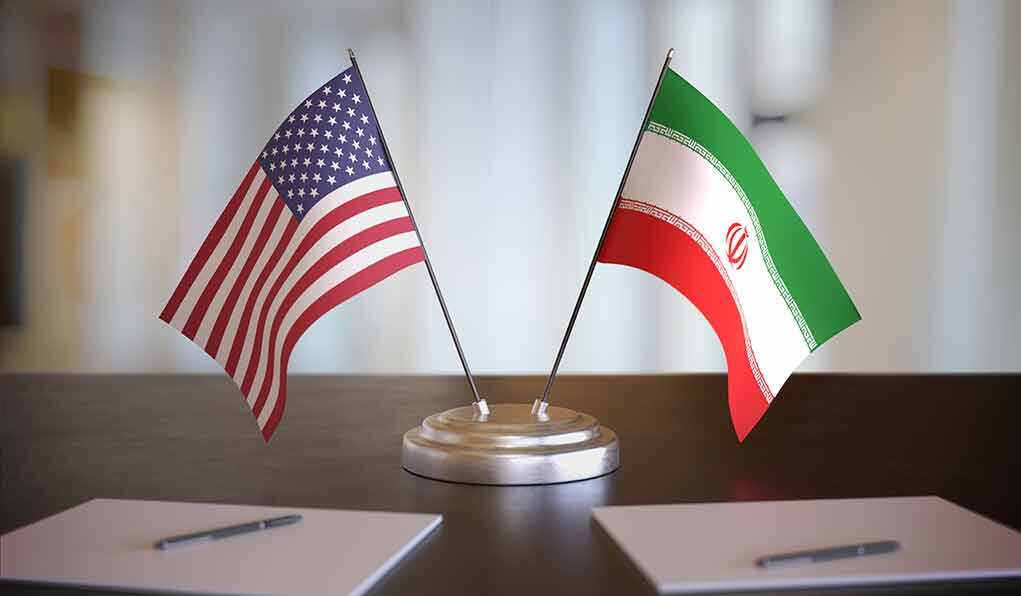
- Trump’s September 22 United Nations speech offered Iran a stark choice: a deal that lets it rebuild, or destruction of the regime “quickly.”
- The administration says Operation Midnight Hammer and Operation Epic Fury already struck Iran’s nuclear sites, navy, and air force.
- The White House claims Iran tried to rebuild its nuclear program at a new location after earlier strikes, justifying continued pressure.
- Critics, including Iran’s president, call the rhetoric reckless, but offer no evidence disputing the strikes themselves.
- The strategy reflects Trump’s long-standing approach: peace through overwhelming strength, not endless negotiation.
Trump Lays Out the Choice at the United Nations
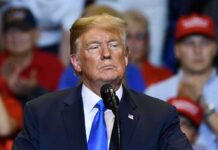
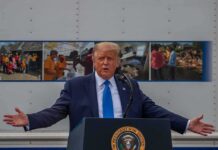
President Trump stood before the United Nations General Assembly on September 22 and gave Iran a blunt ultimatum. “Will a deal be made with Iran that lets them rebuild and create a far greater country than it ever was before,” he asked, “or do I annihilate the Islamic Republic and do it quickly?” The speech was recorded by multiple outlets, leaving no doubt about what he said.
This was not an idle threat pulled from thin air. It came attached to a real offer: Iran could still choose peace and prosperity. Trump has never hidden his preference for deals over bloodshed. But he’s also made clear that a regime chasing nuclear weapons while sponsoring terror abroad will not get a pass just because diplomats prefer softer language.
What the Military Operations Actually Targeted
The White House says Operation Midnight Hammer struck Iranian nuclear facilities directly, while Operation Epic Fury went after Iran’s broader military and defense-industrial machine. Officials describe the goal plainly: dismantle the regime’s ability to threaten America or its allies, and deny Iran the bomb it has chased for decades. That’s not regime theater. That’s a stated military objective with a clear national security purpose.
Administration officials say the results were significant. Iran’s navy is described as gone. Its air force is called “in ruins.” Nuclear sites are said to be “totally obliterated”. These are serious claims from an administration that has staked its credibility on them. Independent battle-damage confirmation has not been widely published, and voters deserve that transparency soon, but the underlying rationale behind the strikes remains sound: a nuclear-armed Iran is a threat no American president should tolerate.
Why Trump Says Iran Never Stopped Trying
The White House says Iran “sought to rebuild their nuclear program at a totally different location” even after earlier strikes. If true, that single fact explains everything about Trump’s hardline posture. This is not a regime looking for an off-ramp. It’s a regime that keeps trying to build the one weapon that could threaten American cities and wipe Israel off the map. A president who shrugs that off isn’t being cautious — he’s being reckless with American lives.
Critics Cry Foul, But Dodge the Real Question
Predictably, the usual voices on the left pounced. Iranian President Masoud Pezeshkian called the threat “bullying” and insisted Iran would not negotiate “under the language of force”. Progressive commentators went further, labeling the rhetoric “genocidal” and demanding legal consequences. What none of them offer is a competing fact pattern disputing that Iran was rebuilding its nuclear capability in the first place. Outrage over tough words is not the same as evidence that the underlying threat assessment is wrong.
🚨 Iran FM Araghchi warns Trump over "finish the job" threat, says Tehran emerged stronger and has unfinished business https://t.co/sUFYoPfW9d
— Kshatriya Defence (@Kashtriya7) October 19, 2026
It’s worth noting the speech did leave an open question: Trump described wiping out Iran’s “chance of survival” while simultaneously dangling a future where Iran becomes “one of the greatest” nations in the Middle East. The administration hasn’t spelled out exactly where the line falls between crushing a hostile regime and threatening a nation’s people. That’s a fair thing for Congress and the public to press for clarity on, even while backing the strategy’s core goal.
Strength, Not Apologies, Has Always Been Trump’s Playbook
Trump campaigned on ending America’s habit of empty warnings and endless wars with no clear finish line. Iran’s rulers have burned chance after chance over four decades, funding terror, chanting death to America, and racing toward nuclear weapons. A president willing to say plainly that annihilation is on the table if Iran refuses to change course is doing what commanders in chief are supposed to do: protect the country by making the cost of defiance unmistakably clear.
Conservatives who remember the weak, apologetic foreign policy of prior administrations know the alternative to strength isn’t peace — it’s more provocation. Trump’s UN speech wasn’t reckless theater. It was a blunt reminder to Tehran that the era of stalling, lying, and quietly building toward a bomb is over, whether the regime’s defenders at the United Nations like the language or not.
Sources:
twitchy.com, whitehouse.gov, govinfo.gov, ianslive.in