
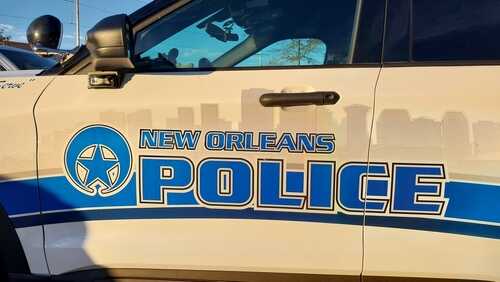
A new wave of protests at New Orleans City Hall has reignited concerns over the erosion of constitutional rights, as police forcefully removed demonstrators demanding policy changes.
Story Highlights
- Protesters at New Orleans City Hall demand policy changes, face police removal.
- The incident raises questions about First Amendment rights and policing tactics.
- Historical context of New Orleans’ protest politics and policing reforms.
- Potential impact on public trust and community-police relations.
Protests Spark Tensions at City Hall
In a familiar scene for New Orleans, protesters occupied City Hall, demanding significant policy shifts on issues ranging from policing to public corruption. The occupation, a strategic move often used to draw attention to such demands, ended with police forcefully removing individuals from the premises. This incident has reignited debates about the balance between maintaining order and protecting constitutional rights. Questions linger about whether the actions taken by the police were lawful and proportionate, highlighting ongoing tensions in the city’s governance.
The event’s backdrop is a city with a rich history of protest politics, especially around policing and racial justice. Over the past decade, the New Orleans Police Department (NOPD) has been under a federal consent decree aimed at reforming unconstitutional practices. This has made any use of force at protests particularly sensitive, with observers scrutinizing whether law enforcement actions align with mandated reforms.
Watch:
Key Players and Their Roles
Incidents like these involve multiple stakeholders. Protest organizers, often community groups and unions, demand changes such as NOPD reform or policy reversals. The city government, including the mayor and city council, manages building access and police deployment. Law enforcement, led by NOPD, is responsible for maintaining order while adhering to policy guidelines. External influencers, such as civil liberties organizations, monitor these events closely, advocating for the protection of protest rights and scrutinizing police actions.
Power dynamics are complex, with a strong mayoral system in control of the police department and building management. Advocacy groups leverage public opinion and legal frameworks to influence outcomes, while council members can call hearings but have limited operational control. This intricate landscape shapes the response to such protests and the broader discourse on civil liberties.
Potential Impacts and Future Considerations
The immediate aftermath of the protest includes potential arrests and charges against demonstrators, with reports of injuries or misconduct possibly surfacing. Official responses from city leaders and police will shape public perception and influence community trust. Long-term, the incident could affect civil liberties, policing policies, and governance, potentially prompting new regulations or oversight mechanisms.
Economically, such events strain city resources due to increased security and potential litigation costs. Socially, they impact trust between marginalized communities and the government, influencing narratives about civic space access. Politically, the incident may become a focal point in broader discussions on crime, safety, and justice, influencing future electoral dynamics and policy debates.
Sources: