

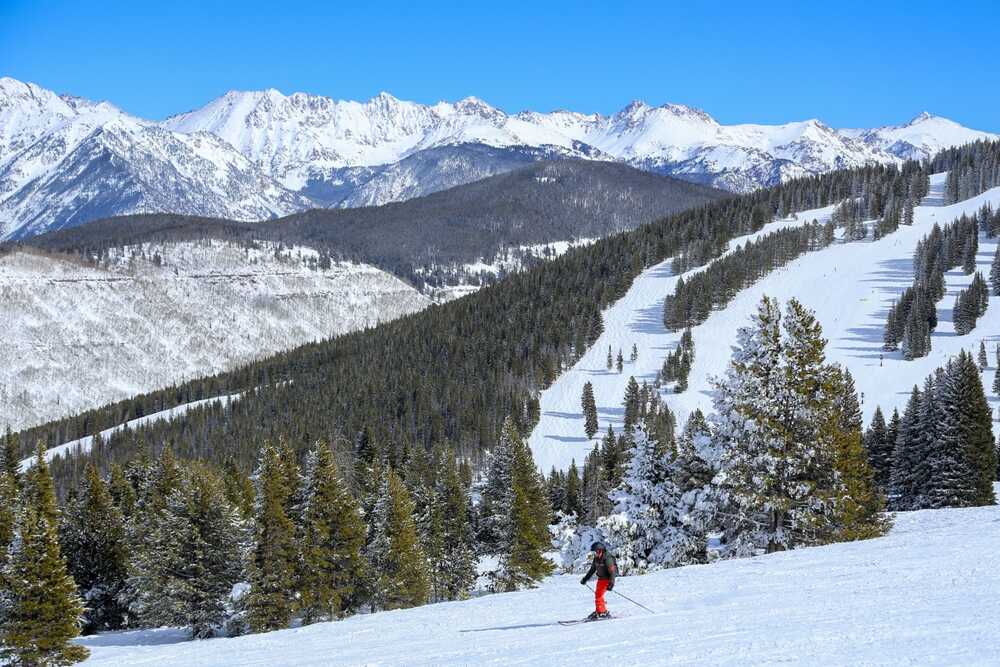
Vail Resorts slashes earnings amid record-low snowpack, betting on budget deals for Gen Z skiers while hardworking American families face another disrupted winter tradition.
Story Highlights
- Vail records only 122 inches of snow by Feb 28, 2026—51% of normal—leading to 68% terrain open and lowered 2026 earnings outlook.
- Historic low snowpack forces strategic shift to discounts targeting younger, value-conscious skiers amid operational challenges.
- Colorado resorts suffer statewide, with early season deficits under 70 inches, warm Christmas rain, and delayed openings hitting tourism revenue.
- Town of Vail pivots to non-ski activities as skiers put away gear, impacting local economy and Epic Pass holders.
Record-Low Snowfall Grips Vail
Vail Resorts announced on January 16, 2026, a record-low snowpack for the 2025-26 season, prompting a cut to its 2026 earnings outlook. By February 28, Vail tallied 122 inches of snow, just 51% of its 248-inch annual average. Terrain access lagged at 68% open, with Back Bowls partially accessible only after late February snows built base depths to three feet. This marks the poorest start in decades, worse than prior low-snow years like 2011-12 or 2023-24.
Strategic Pivot to Gen Z Deals
Facing persistent snow deficits, Vail Resorts launched aggressive discounts via Epic Pass promotions to draw budget-conscious Gen Z skiers. Early season saw no Colorado resort exceed 70 inches by late December, with Vail at 48 inches then. Warm holiday temperatures hit 43°F on December 24, delivering rain over snow. Management aims to boost visitation and revenue, shifting from premium powder experiences to value-driven access despite limited slopes.
With snowfall at historic lows, Vail is betting Gen Z will show up for a better deal https://t.co/0bk6aJzzUJ
— Jazz Drummer (@jazzdrummer420) March 10, 2026
Timeline of Snow Drought Challenges
Pre-December 2025 brought minimal accumulation across Colorado peaks. Christmas storms failed with rain, followed by minor relief from late December and early January systems that fell short of averages. February 5 saw partial Back Bowls opening at 30-inch bases. By February 12-15, bare slopes shifted Vail Village tourism from skiing to strolls. Statewide, Breckenridge hit 105 inches (44% normal), Aspen 137 inches (81%), while peers like Wolf Creek fared better at 164 inches and fully open.
Forecast models from NOAA influenced operations, but persistent lacking snowfall reshaped the season. Vail’s extensive snowmaking proved insufficient against the drought, leaving 32% terrain closed even after late upticks.
Economic Ripples for Communities
Short-term impacts include reduced lift revenue and variable employee hours in Vail town, reliant on ski tourism worth billions statewide. Epic Pass holders express frustration over limited access, echoing conservative values of reliable family traditions now eroded by unpredictable weather. Long-term, resorts eye more snowmaking investments and demographic targeting of younger crowds. Broader U.S. West sees 50-80% normal snow, prompting industry-wide discounts as adaptation precedent.
With snowfall at historic lows, Vail is betting Gen Z will show up for a better deal https://t.co/feuY5QZY14
— Automation Workz (@AutomationWorkz) March 10, 2026
Expert Views on Season Deviation
Industry data from OnTheSnow and Snow-Forecast confirm Vail’s historical March peaks up to 11.8 inches weekly, but 2025-26 sharply deviates. Bestsnow.net benchmarks Vail’s below-average recovery against Tahoe (65-91% normal) and Utah (50-60%). CPR News reports visible snow drought curbing ski focus. Optimists note potential late storms, while pessimists highlight earnings cuts; neutral takes affirm long-term averages. No post-February 28 data limits full-season outlook.
Sources:
https://www.onthesnow.com/colorado/vail/historical-snowfall
https://www.snow-forecast.com/resorts/Vail/history
https://bestsnow.net/seas26.htm
https://fortune.com/2026/01/16/vail-resorts-record-low-snowpack-lowering-2026-earnings-outlook/
https://www.cpr.org/2026/02/15/snow-drought-impact-vail-mountain-town-tourism/