America just cut the flight time for heavy strikes on Iran in half by moving B-1B bombers to a forward base in Britain—an escalation that shows how fast the Trump administration can surge hard power when it decides the mission comes first.
Story Snapshot
- U.S. Air Force B-1B Lancer bombers began arriving at RAF Fairford in the United Kingdom on March 6, 2026, as strikes on Iran intensified under Operation Epic Fury.
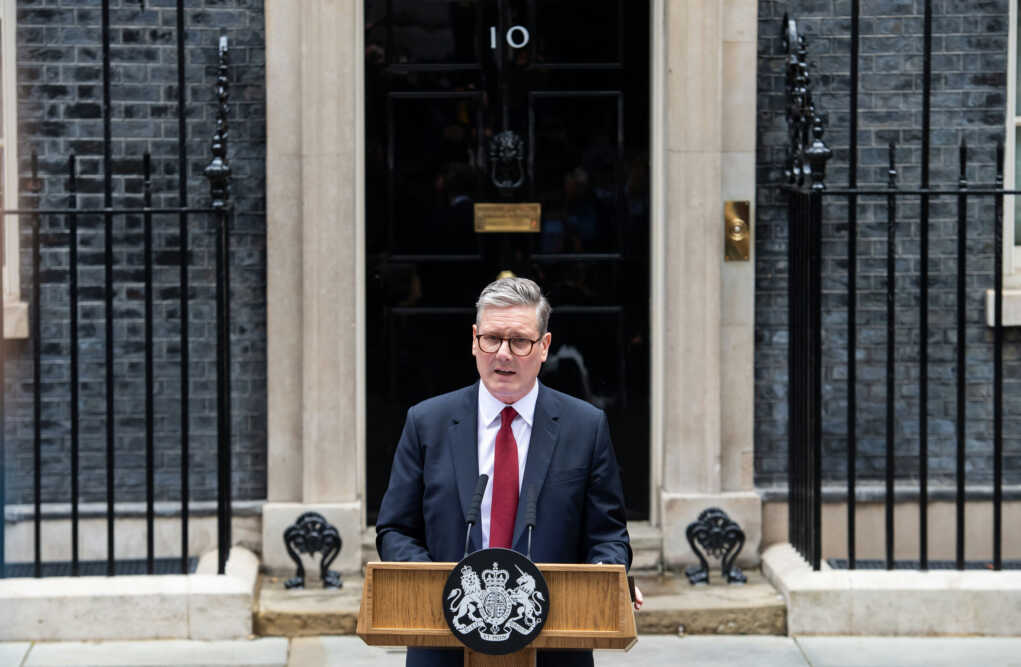
- UK Prime Minister Keir Starmer approved U.S. use of RAF Fairford and Diego Garcia on March 1 for what Britain described as a “specific and limited defensive purpose” aimed at Iranian missiles.
- Forward basing reduces the punishing 37-hour round-trip bomber missions from the continental U.S., enabling a faster strike tempo and quicker turnaround.
- By March 9, reporting indicated eight B-1Bs in Europe (with some at Fairford and some diverted to Ramstein), and three B-52H bombers also arrived at Fairford.
Forward Basing at RAF Fairford Changes the Operational Math
U.S. B-1B Lancer bombers arrived at RAF Fairford starting the evening of March 6, 2026, with additional aircraft following the next morning as the U.S. intensified strikes on Iranian targets. Reports described support aircraft moving personnel and equipment ahead of the bombers, a sign the deployment was meant to sustain operations rather than stage a one-off show of force. RAF Fairford’s role as a dedicated European forward operating location for heavy bombers makes it a natural hub for this tempo.
The practical impact is time—specifically, cutting mission duration dramatically compared with round trips from the U.S. Long-haul sorties had reportedly required around 37 hours per mission, a strain on crews, maintenance cycles, and tanker support. Operating from the UK compresses that timeline, allowing more frequent sorties and tighter targeting windows. For Americans used to watching Washington talk tough while moving slowly, this is the opposite: logistics lined up first, then the ability to strike faster and more often.
What the U.S. Says It’s Targeting, and Why the Aircraft Choice Matters
Reporting tied the strike campaign to Iranian ballistic missile sites and command-and-control nodes, with weapons including AGM-158 JASSMs and GBU-31 JDAMs, including BLU-109 bunker-buster variants. Defense Secretary Pete Hegseth said the U.S. had achieved control of Iranian airspace by March 4 and indicated strikes would “surge dramatically,” with a shift toward gravity bombs. Those details matter because they suggest a campaign moving from limited reach to sustained pressure on hardened infrastructure.
The B-1B is built for heavy conventional strike, and its payload options explain why it shows up when planners want volume. Coverage highlighted that the B-1B can carry large internal loads—often described in terms of dozens of cruise missiles or heavy JDAMs—making it a workhorse for sustained attacks on dispersed target sets. Pairing that with forward basing creates a clear message: the U.S. is structuring operations for repetition and speed, not symbolic flyovers. That approach aligns with a deterrence logic based on capability, not press releases.
UK Approval, Limited Language, and the Reality of Shared Bases
UK approval was a gating factor, and it came with carefully chosen political language. Prime Minister Keir Starmer authorized U.S. use of RAF Fairford and Diego Garcia on March 1, describing the purpose as limited and defensive—destroying Iranian missiles “at source.” Multiple outlets noted Britain had shown hesitation before approving access, underscoring that even close allies manage domestic politics when U.S. operations expand. The U.S.-UK relationship makes access possible, but not automatic, especially during headline-grabbing strikes.
For American readers, the bigger takeaway is that basing decisions are strategic force multipliers, not paperwork. When the U.S. can stage bombers closer to the fight, it reduces refueling needs, compresses mission planning cycles, and increases options if conditions change. The reports also noted that some aircraft diverted to Ramstein Air Base due to low visibility, a reminder that even major operations have mundane constraints. Those operational realities—weather, runway conditions, and support capacity—shape where the “surge” actually happens.
What’s Confirmed, What’s Unclear, and Why It Matters Going Forward
Reporting converged on a larger bomber presence by early March: initial arrivals at Fairford, a broader count of B-1Bs in Europe, and B-52Hs joining on March 9. At the same time, the exact on-base count fluctuated because diversions and returns can shift aircraft between Fairford and Ramstein. Outlets also noted that U.S. Air Forces in Europe did not confirm or deny specifics, leaving the public dependent on official statements, photos, and aviation tracking to piece together the day-to-day picture.
The U.K. Ministry of Defence confirmed Saturday that U.S. forces had begun using the British base for “specific defensive operations." https://t.co/UbjIFXHMnN
— Defense News (@defense_news) March 9, 2026
Strategically, the move signals sustained pressure rather than a short burst, because forward deployments are costly to stand up and maintain. Whether the campaign widens or ends quickly isn’t something the available reporting can settle, and responsible analysis should not guess beyond what’s sourced. What is clear is the operational direction: faster sorties, heavier conventional payloads, and visible coordination with the UK. In a world where adversaries test red lines, that kind of capability—backed by execution—tends to speak louder than slogans.
Sources:
B-1B Bombers Deploy to RAF Fairford to Ramp Up Missions Over Iran
US B-1B Lancers arrive at RAF Fairford as strikes on Iran intensify
US B-1B Lancers arrive at RAF Fairford as strikes on Iran intensify
B-52H Bombers Join B-1Bs at Fairford
B-1 Lancers return to RAF Fairford: old bomber finds new war