A missile strike inside America’s embassy compound in Baghdad is a blunt reminder that when U.S. deterrence is tested, Iran and its proxies aim straight at American sovereignty.
Story Snapshot
- A missile hit a helipad area inside the U.S. Embassy compound in Baghdad’s Green Zone on March 14, with no immediate casualties reported and no claim of responsibility.
- The embassy renewed a Level 4 security alert for Iraq and again urged Americans to leave, citing threats from Iran-aligned militias.
- The incident landed amid the third week of open U.S.-Israel fighting with Iran, after U.S. strikes targeted Iran’s Kharg Island military infrastructure.
- Regional spillover continued as air defenses intercepted aerial threats and debris sparked a fire at an oil facility in the UAE’s Fujairah port area.
Missile Hits Embassy Compound as Iraq’s Green Zone Turns Hot Again
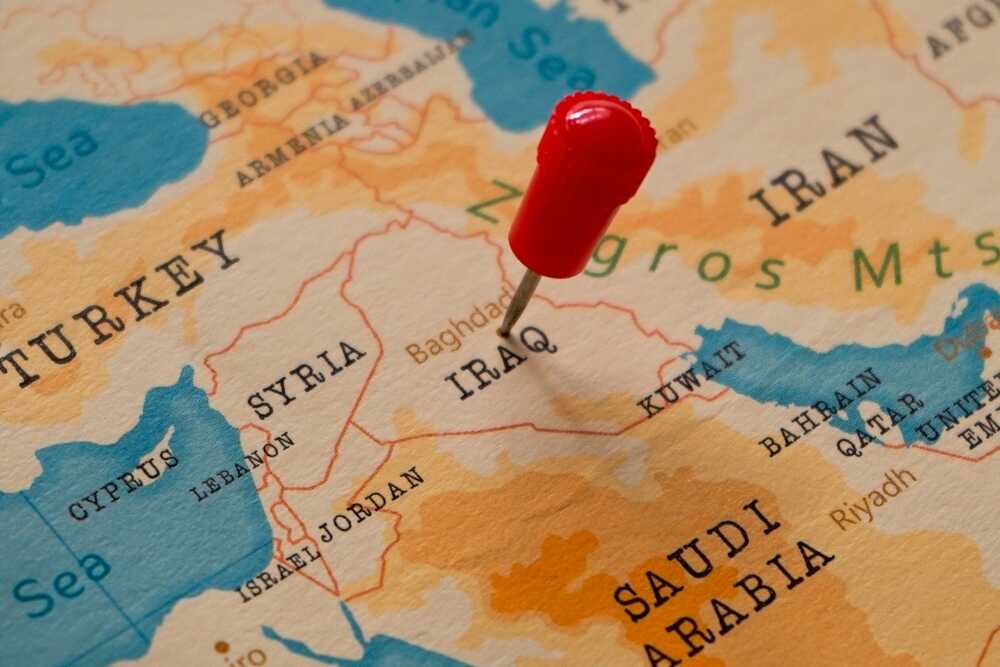
Baghdad’s fortified Green Zone saw a new escalation on Saturday, March 14, when a missile struck inside the U.S. Embassy compound, hitting a helipad area and sending smoke into the sky captured in news images. Officials reported no immediate casualties, and no group publicly claimed responsibility. The embassy had already renewed a Level 4 alert for Iraq the day before, reflecting the risk environment as Iran-aligned militias remain active.
The attack differs from the familiar pattern of sporadic rocket harassment because it landed during an openly declared, multi-front U.S.-Israel war with Iran that has stretched into its third week. Even without a confirmed perpetrator, the context matters: the embassy has been repeatedly targeted since the conflict began, and U.S. warnings have explicitly referenced threats from Iran-aligned militias. That combination—repeat attacks plus official alerts—signals an operating assumption that U.S. personnel remain a priority target.
Kharg Island Strikes and Iran’s Leverage Play in the Strait of Hormuz
The embassy strike followed major U.S. action on Friday, March 13, when U.S. strikes reportedly “obliterated” Iranian targets on and around Kharg Island tied to military functions such as naval basing, air defense, and missile storage. Kharg is also central to Iran’s oil-export system, which makes it a strategic pressure point even when reporting indicates oil infrastructure itself was not hit. President Trump warned Iran against interference in the Strait of Hormuz.
Oil and shipping sit at the center of the broader confrontation because the Strait of Hormuz is a global economic choke point. Reporting indicated Iran effectively closed the strait, through which roughly 20% of global traded oil passes. That reality makes every drone interception, port fire, and shipping disruption more than a regional headline—it becomes a kitchen-table issue for American families still scarred by years of inflation and cost spikes. Energy shocks travel fast, and adversaries know it.
Spillover to Gulf Partners Raises Stakes for U.S. Forces and Energy Markets
On the same day the Baghdad compound was hit, reporting described an intercepted Iranian drone whose debris caused a fire at an oil facility near Fujairah port in the United Arab Emirates. Additional developments in the days that followed included interceptions and alerts in the Gulf, including Qatar and Dubai. Iran’s military messaging has also pointed at energy and commercial sites tied to U.S. partners, reinforcing that Tehran’s retaliation strategy extends beyond direct battlefield exchanges.
Washington’s response has paired airpower with visible force posture. Reporting indicated the U.S. deployed 2,500 additional Marines and an amphibious assault ship to the Middle East as the conflict continued. The operational aim, as described in coverage, has been to manage escalation while sustaining pressure and protecting U.S. personnel and interests. The tension for American voters is familiar: overseas commitments can expand quickly, and clear objectives and constitutional accountability matter.
What Americans Should Watch: Embassy Security, U.S. Citizens, and Clear War Aims
The U.S. Embassy has again urged Americans to leave Iraq, underscoring that civilian safety is part of the picture alongside military moves. Another point to watch is the information gap around responsibility for the embassy strike; absent a claim, the public is left with context-based attribution rather than proof. That makes disciplined messaging and transparent updates crucial—especially after years when trust in official narratives was strained by politicized institutions and shifting standards.
As the war continues, a key test will be whether U.S. policy can protect Americans and deter attacks without drifting into open-ended commitments. The reporting also shows a contradiction that should be treated carefully: sweeping political claims about total enemy capability can clash with the reality of ongoing missile and drone activity. For a constitutional republic, clarity matters—about threats, about goals, and about how America defends its people and interests abroad.
Sources:
https://fortune.com/2026/03/14/iran-war-stretches-third-week-us-embassy-baghdad/