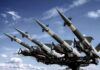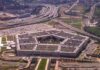


A hostile Marxist dictatorship just parked more than 300 Russian and Iranian attack drones 90 miles off Florida’s coast, and Washington is only now sounding the alarm.
Story Snapshot
- Classified intelligence says Cuba has acquired over 300 military drones from Russia and Iran, some described as “attack drones.” [1][2][3]
- U.S. officials say Havana has discussed using the drones against Guantanamo Bay, American naval vessels, and possibly Key West, Florida. [1][2]
- Roughly 5,000 Cuban soldiers are estimated to have fought for Russia in Ukraine, gaining battlefield drone experience. [1]
- The intelligence could be used to justify U.S. military action, even though many details remain classified and unverified publicly. [1]
Drone Buildup Ninety Miles From Florida
Axios reports that classified United States intelligence shows Cuba has secured more than 300 military drones since 2023, sourced from Russia and Iran and stored at strategic sites around the island. [1][2][3] Officials describe these as attack drones with “varied capabilities,” but the public reporting does not list models, range, or payload, leaving citizens in the dark on exactly what is aimed at American shores. [1] What is clear is the geography: those systems sit roughly ninety miles from Florida. [1][2]
United States officials told Axios that, within the last month, Cuban authorities requested even more drones and military equipment from Russia, signaling that this is an expanding, not a static, arsenal. [1][2] Intelligence intercepts reportedly show Cuban intelligence services trying to learn how Iran has “successfully resisted” American pressure, tying Havana more tightly into an anti‑U.S. axis with Moscow and Tehran. [1] That combination—hostile ideology, new technology, and foreign backing—raises legitimate red flags for American national security planners.
Reports of Possible Strikes on Guantanamo and Key West
According to the Axios account, United States intelligence indicates Cuban officials have discussed potential drone strikes on the American naval base at Guantanamo Bay, U.S. military vessels operating nearby, and possibly the Florida island of Key West. [1][2] The reporting stops short of saying a final attack order exists; it instead characterizes these as discussions and planning concepts picked up through classified sources. [1] Even so, officials quoted in the report describe the situation as an “escalating danger” given the targets involved. [1]
One senior official warned that, when these technologies sit so close to American territory and intersect with “terrorist groups,” drug cartels, Iranians, and Russians, the risk multiplies. [1] The same report explicitly notes that the intelligence could become a pretext for U.S. military action against Cuba. [1] That means these claims are not just another news cycle scare; they may directly shape when and how American military power is used in the Western Hemisphere, under a Trump administration that already views Havana as a security problem.
Cuban Fighters in Ukraine and the Learning Curve of Drone Warfare
United States officials estimate that roughly 5,000 Cuban troops have fought for Russia in Ukraine, with Moscow allegedly paying the regime about twenty‑five thousand dollars per soldier. [1] Some of those fighters are said to have passed along lessons on drone warfare to commanders in Havana. [1][2] If accurate, this would mean Cuban forces have observed Iranian and Russian drone tactics on one of the most lethal battlefields on earth, then carried that knowledge back to an island sitting within range of American bases and cities.
At the same time, no open records, unit rosters, or casualty lists have been provided to verify that 5,000 figure or the twenty‑five‑thousand‑dollar payment claim. [1] Those numbers come only from anonymous officials speaking through the press. That does not automatically make them false, but it does leave patriots with a familiar problem: being asked to accept sweeping security assertions without access to the underlying evidence, while knowing those assertions might later justify force or expanded government powers.
Serious Threat, But Thin Public Evidence
Multiple outlets, including Israeli and Chinese state‑linked media, have repeated the core claim that Cuba bought more than 300 drones and discussed attacks on American assets, quickly turning one Axios scoop into an international narrative. [2][3] Yet across these reports there are no released satellite photos, shipping manifests, contracts, or drone serial numbers that citizens can inspect. [1][2][3] The Cuban regime has also not been quoted offering a detailed denial or explanation, leaving a one‑sided picture dominated by anonymous U.S. sources. [1]
Axios is quoting US officials as saying that “Cuba has been acquiring attack drones of ‘varying capabilities’ from Russia and Iran since 2023, and has stashed them in strategic locations across the island” https://t.co/FNF14Uhxu5
— Anna Ahronheim (@AAhronheim) May 17, 2026
For conservatives who remember weapons‑of‑mass‑destruction debates before the Iraq war, that mix of real danger and opaque evidence demands sober caution. Drone swarms in the hands of anti‑American regimes are a genuine twenty‑first‑century threat, especially this close to Florida. [1] But Americans also have a constitutional duty to insist that any talk of intervention or expanded surveillance rests on verifiable facts, not just classified whispers. Strong borders and strong defenses do not require blind trust; they require accountable leadership.
Sources:
[1] Web – Exclusive: U.S. eyes attack-drone threat from Cuba – Axios
[2] Web – US examining threat from Cuba, which has acquired over 300 drones
[3] Web – CUBA HAS ACQUIRED MORE THAN 300 MILITARY DRONES …