

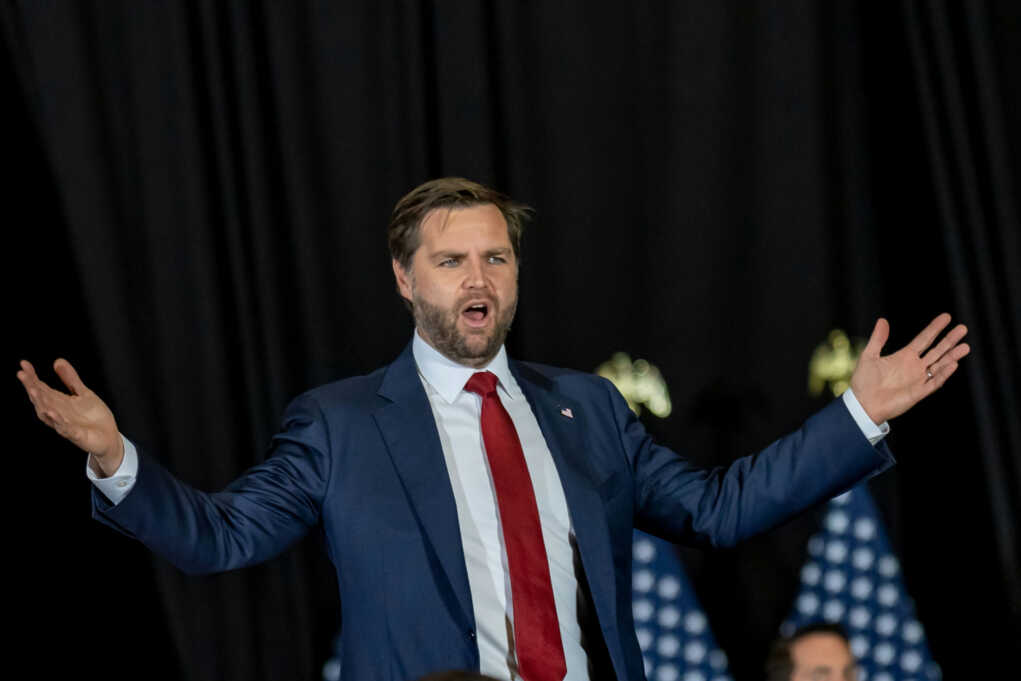
Vice President J.D. Vance said the Iran war cost Republicans the midterms, and President Trump acknowledged the war contributed to the defeat.
Story Snapshot
- Vice President Vance blamed the Iran war for GOP midterm losses; Trump said it contributed.
- Polling showed voters penalized pro-war candidates by wide margins across parties.
- Gulf states moved to diversify security ties away from sole U.S. reliance.
- Regional players pursued new alliances, signaling a shift in Middle East power patterns.
What Vance and Trump Said After the Midterms
Vice President J.D. Vance wrote that “the reason we lost is the war,” pointing squarely to the Iran conflict as the driver of Republican midterm losses. The report added that President Trump told the Wall Street Journal the war contributed to the defeat, aligning the White House view with Vance’s assessment. Their comments placed the war’s political cost at the center of the post-election debate. That framing set the tone for policy talk in Washington, where leaders weighed next steps amid voter fatigue with conflict.
Public opinion data reinforced that warning sign. A national YouGov poll found voters were more likely to punish candidates who backed the Iran war by a three-to-one margin, with 44 percent less likely and 13 percent more likely to support a pro-war candidate. The finding cut across party lines, showing war fatigue spread beyond core anti-war blocs. Analysts noted that cost of living stayed a top concern, but the war appeared to amplify price worries tied to energy and shipping shocks.
How Voters Linked War and the Economy
Election-night narratives highlighted bread-and-butter pain. Gas, groceries, and shipping costs rose during periods of military tension, and voters connected those spikes to Washington’s choices. Commentary from right-of-center outlets argued the public tied the war to “higher prices across the board,” which magnified a red-ink mood already in place before the vote. While many issues shaped the outcome, the simple calculus stood out: families paid more, and they blamed leaders who supported more escalation.
Strategists read the results as a mandate for restraint. The practical takeaway was clear: pursue a deal that ends the shooting, lowers risk premiums on oil and trade routes, and gets American forces out of the line of fire. Reports said Qatar’s prime minister worked channels in Washington to bridge gaps on terms and timelines, reflecting a rush to convert political lessons into policy movement before the next shock hit markets or the ballot box. That push aligned with voters’ message against open-ended commitments abroad.
Why the Middle East Is Shifting Without Waiting on Washington
Research showed Gulf partners no longer rely on one security anchor. Studies described a “security mosaic,” with states mixing ties to Europe and Asia and growing their own capabilities, as the United States reduced its footprint and focus. This shift did not emerge overnight. It built over years of doubts, energy transitions, and testing events. The Iran war added urgency, prompting neighbors to hedge against volatility by broadening options and lowering single-point risk.
Regional reporting detailed how countries paired up with new partners for defense, technology, and energy projects. Saudi Arabia deepened links with Turkey, the United Arab Emirates coordinated more with Israel and South Korea, and others explored deals beyond the old blocs. The effect was not a single, united “Muslim world.” It was a practical web of ties built to survive shocks. That web aimed to avoid being dragged into another big-power agenda that might raise the region’s costs.
What This Means for Conservatives at Home
Republican leaders now face a choice that reaches beyond one election. Voters demanded lower prices, safer borders, and a focus on America’s needs first. Ending a war of choice, cutting exposure to foreign flare-ups, and driving energy abundance at home can meet that demand. The polling and the midterm outcome both point toward restraint overseas and strength at home, backed by secure energy, tight spending, and clear goals that align with American families’ interests.
Policy can follow three simple steps. First, reduce risk of escalation by pursuing a concrete cease-fire framework with clear enforcement and timelines. Second, unleash domestic energy to lower costs and break foreign leverage, from drilling to pipelines and refining. Third, realign the mission set for deployed forces toward narrow, defined defense tasks, with measurable off-ramps. Each step answers the lesson of the vote: protect the wallet, defend the homeland, and keep America out of endless wars.
Sources:
theamericanconservative.com, stephensemler.com, apnews.com