

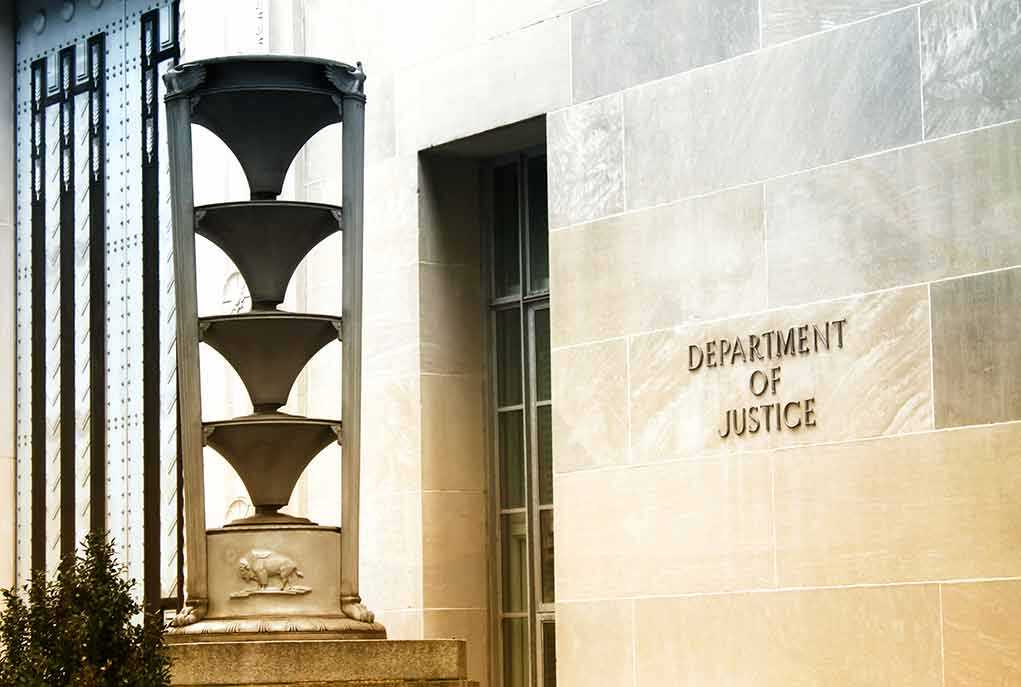
President Trump ordered the Justice Department to examine alleged Democratic “threats” tied to impeachment talk and pressure on Republican donors, escalating a fierce fight over political power and accountability.
Story Highlights
- Trump directed the Department of Justice to “look into” alleged Democratic threats he called “extortion”.
- Reports cite Democratic letters seeking donor records and warning of subpoenas, not prison.
- Democrats frame their actions as normal oversight and possible impeachment, not criminal conduct.
- Key facts, including specific threatening communications, have not been publicly produced.
Trump’s Order And The Allegations He Cites
On November 7, 2026, President Trump posted that Democrats were “threatening a lot of people,” including Attorney General Todd Blanche, with impeachment and “punishment,” and he ordered the Department of Justice to review the matter “immediately”. Reporting confirms Trump’s request and his description of the conduct as “extortion at the highest level”. The order follows rising talk on Capitol Hill about investigations and potential impeachment aimed at administration officials and allied donors.
Coverage links Trump’s claim to congressional letters sent to donors involved in the White House ballroom project. Those letters sought records and warned that noncompliance could lead to subpoenas, which is a standard oversight step. Reuters and other outlets noted that Trump did not release evidence of criminal threats when he issued the directive, leaving questions about who said what and when. That gap is central to whether the law views the conduct as hardball politics or a crime.
What Democrats Say Their Oversight Is Doing
Democratic lawmakers describe their plan as basic congressional oversight. They aim to send letters, hold hearings, and use subpoenas to examine alleged misconduct in the administration. A published set of letters from Senator Richard Blumenthal to ballroom donors requests documents and mentions possible subpoenas if the recipients refuse to cooperate, not prison. Democratic leaders have not ruled out impeachment. They have emphasized investigations first, which fits the regular oversight path.
Congressional research shows oversight is an implied legislative power under Article I. Committees often seek records, call witnesses, and, if needed, go to court to enforce subpoenas. Impeachment is also a recognized tool to probe serious misconduct by executive officials. The legal line matters here. Law allows tough oversight. But criminal law bars threats or extortion. The open question is whether any Democrat crossed that line with a specific coercive demand tied to personal gain or improper pressure.
The Legal And Constitutional Stakes For Both Sides
The Department of Justice must sort political heat from criminal acts. The Justice Manual bars actions that consider political views when deciding cases, and law treats extortion and criminal threats as serious offenses. If specific messages threatened private citizens with criminal harm to force silence or action, that could trigger statutes. If communications were limited to record requests and lawful subpoenas tied to a valid legislative purpose, that supports the oversight defense.
Because President Trump directed the review, critics will claim political interference. That charge has dogged Washington for years, under both parties. The key test is process. A clean Department of Justice intake memo, clear scope, and evidence-driven steps can answer claims of bias. Transparency on what triggers were used and which statutes are in play would help the public judge the effort on facts, not spin. Until then, the dispute will fuel charges of “weaponization” on both sides.
What We Know, What We Don’t, And What Comes Next
We know Trump made a formal public request for a Department of Justice look at alleged threats and extortion, naming impeachment talk and donor pressure as examples. We know Democrats sent letters that requested records and warned of subpoenas, which aligns with normal oversight tools on Capitol Hill. We do not yet have named messages, transcripts, or witnesses that show explicit criminal threats or quid pro quo demands beyond oversight activity.
Conservatives should watch for four things. First, whether the Department of Justice opens a formal probe with a defined statute. Second, whether any donor or official provides a specific message that shows coercion. Third, whether Congress ties its requests to a clear legislative purpose, as the Supreme Court expects. Fourth, whether impeachment talk becomes a pressure tactic or a structured inquiry with findings. Sunlight and records, not rhetoric, will decide this clash.
Sources:
yahoo.com, politico.com, cnbc.com, trumpstruth.org, thehill.com, abcnews.com, detroitnews.com, blumenthal.senate.gov, okcfox.com, law.stanford.edu, academic.oup.com