

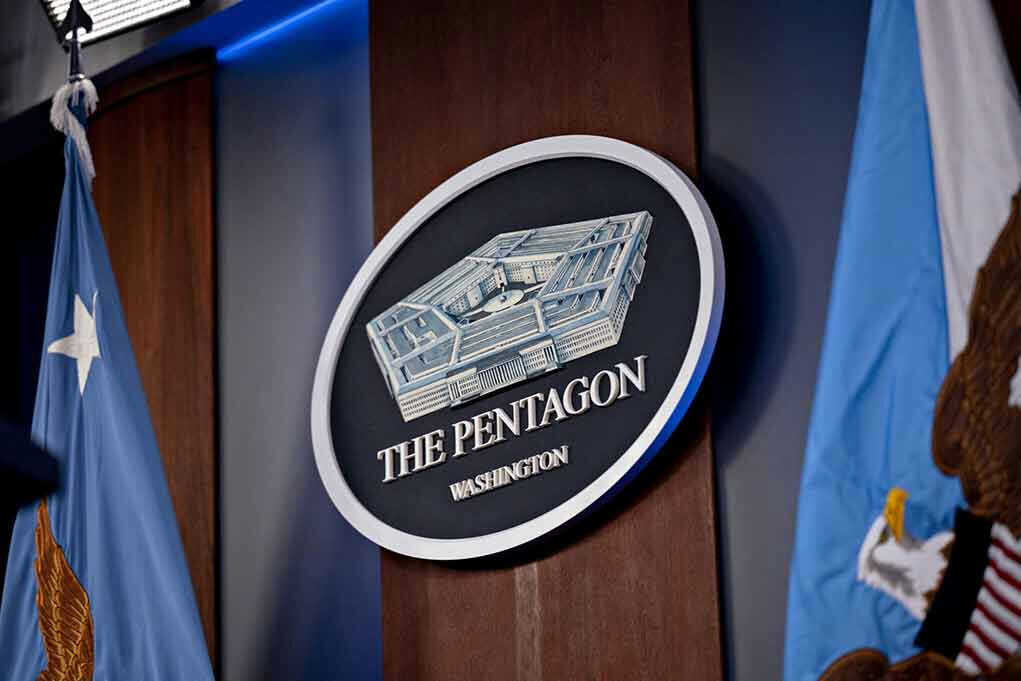
Amid a push to impeach him over the Iran war, Secretary Pete Hegseth vowed to fight on and defended strikes that hit Iran’s nuclear sites as necessary to stop a bomb.
Story Highlights
- Hegseth says Iran will never get a nuclear bomb and calls the war “courageous and historic.”
- A U.S. Department of War release says strikes targeted Fordow, Natanz, and Esfahan to degrade Iran’s nuclear program.
- Representative Thomas Massie filed impeachment articles alleging illegal hostilities and defiance of Congress.
- A House vote was expected, with any Senate conviction needing two-thirds support.
Hegseth’s Pledge: Stop Iran’s Bomb Program
Secretary Pete Hegseth said the goal is simple: Iran will not get a nuclear weapon. He backed that message by calling the Iran war “courageous and historic,” and promised to keep fighting efforts to remove him. His department said U.S. forces struck the Fordow, Natanz, and Esfahan sites to destroy or severely degrade Iran’s nuclear program, calling the action an overwhelming success. The claim aligns with the administration’s stated policy: never allow a nuclear Iran.
For many conservatives, this is common sense. A nuclear Iran would threaten American troops, Israel, and global trade. Stopping it before it matures is cheaper than risking a bigger war later. The strikes targeted known facilities tied to enrichment and production. The department’s account describes deliberate hits against hardened locations. Supporters argue that peace through strength deters enemies and lowers long-term costs by preventing a nuclear arms race in the region.
The Impeachment Push and What It Claims
Representative Thomas Massie filed impeachment articles charging that the Iran war lacked a declaration of war or statutory approval, and that Hegseth continued hostilities beyond limits in the War Powers Resolution. The filings also say Congress ordered a withdrawal and that the Pentagon defied it. Massie further cites claims about civilian harm, including a girls’ school bombing allegation reported in coverage of his case. These charges await judgment; no final decision has been reached.
Procedurally, the House can impeach with a simple majority, but removal takes two-thirds in the Senate. Reporting at the time said Massie intended to force a vote. That means the debate will move from press statements to recorded votes. Conservatives who value constitutional order want clarity here: Did Congress direct an end to hostilities? Did the Pentagon comply? Those questions are legal, not just political. They deserve a clean, public answer on the record.
What Is Proven, What Needs Proof
What is established: U.S. forces struck Fordow, Natanz, and Esfahan, aiming to cripple Iran’s nuclear program. What remains less clear in public: how much capacity Iran lost, how long the setback lasts, and what intelligence showed about timelines to a bomb. The department framed the operation as an overwhelming success, but outside inspections or neutral damage reports have not been presented in these materials. That gap lets critics question necessity and results.
Conservatives should demand two things at once: strong defense and strong oversight. Releasing declassified intelligence on Iran’s nuclear pace would help citizens judge the threat. Sharing legal opinions and notifications would show the constitutional basis for action. Providing independent battle damage and civilian casualty reviews would address the human cost claims. Sunlight makes a stronger case than slogans, and it blunts partisan spin from both sides.
Security, Separation of Powers, and the Path Forward
America must keep enemies in check and also keep faith with the Constitution. Presidents often claim authority to act fast for security, while Congress guards its war power. That tension is not new. The War Powers Resolution has sparked fights for decades. The surest way forward is to answer Congress with facts and law, win required votes when needed, and continue clear missions that protect Americans without open-ended conflict creep.
US Defence Secretary Pete Hegseth vowed to fight impeachment efforts in Congress and defended the Iran war as a “courageous and historic” campaign after the midterms, Reuters… pic.twitter.com/pF0Of3RjSP
— Life News Agency (@lifenewscomx) November 6, 2026
For readers watching this closely: hold two truths. First, stopping a hostile regime from getting a bomb is a core duty. Second, the people’s representatives must see the legal basis and the evidence. Hegseth says the mission is to keep Iran from a bomb and that he will not back down. Congress says it wants limits and answers. The country is best served when we get both: decisive strength abroad and constitutional clarity at home.
Sources:
youtube.com, npr.org, whas11.com, detroitnews.com, miamiherald.com, straitstimes.com