Overnight Russian strikes slammed Zaporizhzhia and Kharkiv, injuring civilians and torching homes as drones and missiles hit power and rail targets, officials said.
Story Highlights
- Russian drones and missiles hit energy and railway sites, injuring civilians in Zaporizhzhia and Kharkiv.
- Local officials reported damaged apartment blocks and fires after the night barrage.
- United Nations reporting shows Zaporizhzhia and Kharkiv rank among the hardest-hit cities in 2026.
- Moscow framed recent overnight strikes as a response to attacks inside Russia.
Night Barrage Targets Cities and Civilians
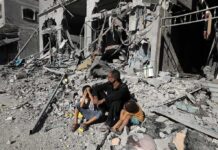
Reuters reported that Russia launched drones and missiles overnight at Ukraine’s energy and railway infrastructure, with strikes landing in Zaporizhzhia and Kharkiv. Local officials said apartment buildings were damaged and fires broke out after impacts. In Zaporizhzhia, officials reported at least 10 injured and damage to dozens of residential blocks. In Kharkiv, officials reported injuries across the region as rescue crews fought fires and cleared debris. The attack followed a pattern of night raids on vital services and busy neighborhoods.
Moscow’s Defense Ministry cast recent overnight strikes as retaliation for what it called terrorist acts inside Russia and claimed it hit military targets. Ukraine reported that power systems, rail assets, and homes took hits. This messaging split has marked the war for months. Russia highlights military aims; Ukraine points to damaged civilian areas and rising injuries. The facts on the ground after these attacks include torn rooftops, shattered windows, and families forced from apartments by fire and smoke.
Damage in Zaporizhzhia and Kharkiv Underscores Ongoing Risk
Officials in the two cities described emergency crews treating the injured, evacuating residents, and checking unstable structures. In Zaporizhzhia, officials cited damaged apartment blocks and nighttime fires. In Kharkiv, officials worked across several sites after strikes triggered blasts and scattered debris. These accounts match a broader pattern in 2026 of repeated hits on large urban centers, where any strike near housing or key services puts civilians at risk. Each wave strains local medical and rescue teams.
United Nations human-rights reporting shows Zaporizhzhia and Kharkiv among the highest casualty areas in mid to late 2026. That confirms what residents feel each week: repeated salvos bring new injuries and fresh wreckage. The Office of the United Nations High Commissioner for Human Rights recorded heavy totals in these cities during the summer. Those records reflect the steady tempo of attacks and the exposure of dense areas to blast effects from drones and missiles.
Why These Strikes Matter to Americans
Attacks on power and rail systems hit core civilian life. Families lose heat, lights, and safe transport. Emergency rooms fill while crews race to contain fires and rescue trapped people. These are the ripple effects of strikes that land near homes and city services. For Americans who value secure borders, strong energy grids, and safe streets, the lesson is simple: enemies target the basics. Freedom and family life depend on reliable power, open roads, and the rule of law that shields civilians.
2 women were killed and a 3-year-old child was among those injured in a Russian drone attack on Zaporizhzhia in the morning. A 38-year-old man was also wounded, and the total number of casualties is still being clarified‼️
The strike destroyed a private house and damaged… pic.twitter.com/zMRmSxm444
— Kate from Kharkiv (@BohuslavskaKate) September 26, 2026
This war also shows how modern foes blend military and civilian pressure. Hitting energy and rail nodes can slow supplies, but it also punishes families who did nothing wrong. American strategy debates should keep this in view. Strong defense, clear red lines, and steady support for allies can deter wider conflict. At the same time, leaders must guard our grid, borders, and wallets at home. Security begins with resilient power, fair spending, and firm leadership that puts citizens first.
Methodical Casualty Recording and Reality on the Ground
Human-rights groups stress that early injury counts can change as records firm up. The Office of the United Nations High Commissioner for Human Rights and similar bodies verify names, locations, and causes over time. That work is careful and slow by design. Still, the picture from these cities is consistent: repeated night strikes, damaged homes, and injured residents. Those facts match photos of scorched rooms and taped windows and the steady drumbeat of emergency alerts.
Sources:
youtube.com, reuters.com, aljazeera.com