San Francisco’s push to dramatically increase taxes on corporations with massive CEO pay gaps threatens to bypass a negotiated compromise and shift the burden onto everyday consumers through higher prices, according to a new economic analysis that has intensified the debate over Proposition D.
Quick Take
- A new Pragmatic Policy Group study projects consumer prices could rise 0.1-0.2% if Proposition D passes, contradicting labor’s framing that the tax targets only executives
- The measure would increase tax rates roughly eightfold and overturn a 2024 compromise reached just two years ago, signaling policy instability that concerns businesses and investors
- Five billionaires and major corporations including Amazon and Google are funding opposition, while labor groups argue the tax is essential to prevent devastating cuts to healthcare and food assistance
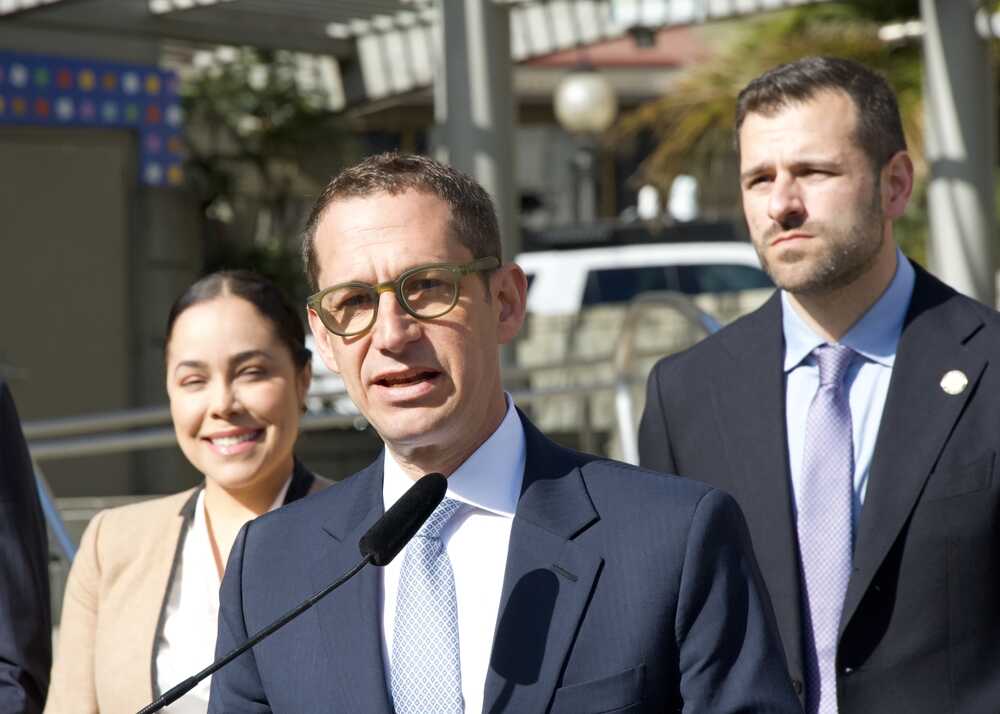
- Mayor Daniel Lurie has criticized the entire ballot process as “a clear sign of a broken system” that allows powerful groups to repeatedly bypass normal policymaking
Tax Burden Falls on Consumers, Not CEOs
The fundamental dispute over Proposition D centers on a critical economic question: who actually pays? The Pragmatic Policy Group’s analysis, commissioned by GrowSF opposition group, directly challenges labor’s framing by arguing the tax functions as a transaction surcharge, not a direct tax on executive compensation. The study projects that 24 to 40 percent of higher business costs would be passed directly to consumers through price increases, with grocery stores and retailers facing up to 25 percent profit losses. UC Berkeley economics professor Alan Auerbach reinforces this assessment, explaining that the tax operates like an increased sales tax and would likely cause price increases rather than CEO pay cuts or wage increases for workers.
Policy Reversal Undermines Governance Stability
Proposition D would overturn a negotiated compromise reached just two years earlier in 2024, when labor groups and business interests agreed to reduce the previous executive pay tax by approximately 80 percent. That settlement was presented as a balanced approach protecting both revenue generation and economic stability. Now, labor groups seek to increase tax rates roughly eightfold through Proposition D, targeting companies with $5 million or more in San Francisco revenue where executives earn at least 100 times the median worker’s pay. This reversal raises serious concerns about policy predictability, which directly affects corporate investment decisions and long-term business planning in the city.
Billionaire-Backed Opposition Reveals Elite Capture Concerns
The opposition campaign, titled “Protect San Francisco’s Small Businesses and Economic Recovery Committee,” has received substantial funding from five billionaires alongside major corporations including Amazon and Google. This concentration of wealth in the opposition campaign illustrates a troubling pattern: powerful elites using their financial resources to shape policy outcomes outside normal democratic processes. Meanwhile, supporters argue that corporations receiving federal tax cuts under the Trump administration should contribute more locally to prevent cuts to healthcare and food assistance programs facing federal reductions.
Broken System Rewards Insiders Over Ordinary San Franciscans
Mayor Daniel Lurie has offered perhaps the most damning critique of the entire situation, calling the competing ballot measures “a clear sign of a broken system.” He criticizes how the ballot initiative process allows organized groups with significant resources to repeatedly bypass traditional policymaking, creating “costly ballot fights” and reopening settled issues. Lurie warns this system “rewards insiders at the expense of everyday San Franciscans,” a concern that resonates across the political spectrum. Whether voters support or oppose Proposition D, the underlying reality remains: powerful interests on both sides are using their wealth to control outcomes rather than allowing representative governance to function properly.
Revenue Needs Collide With Economic Recovery Concerns
Labor groups, led by IFPTE Local 21, argue that Proposition D would generate over $300 million annually for city services, preventing devastating cuts to healthcare, food assistance, and other programs. They frame the measure as targeting only the largest corporations while protecting small businesses. However, business opponents contend the measure would harm post-pandemic economic recovery by increasing operational costs and consumer prices. The June 2026 voter decision will ultimately determine whether San Francisco prioritizes immediate revenue generation or maintains policy stability to encourage business investment and economic growth during the recovery period.
San Francisco’s CEO tax fight intensifies as new report sounds alarm San Francisco has been a case study in how not to run a city, but a new report is increasing the volume on the alarm as voters consider a CEO tax that some are calling a poison pill for… https://t.co/IbOTG5Dwt4 pic.twitter.com/6q9cv3jbOF
— UnfilteredAmerica (@NahBabyNahNah) May 7, 2026
The Proposition D debate exposes a fundamental governance failure affecting both conservative and progressive San Franciscans: a system where competing elites use ballot initiatives to impose their preferred outcomes rather than working through representative institutions to find genuine solutions. Voters face a choice between two visions, but the deeper problem—that ordinary citizens have lost control of their government to wealthy interests and their proxies—remains unaddressed regardless of which side prevails.
Sources:
New report intensifies debate over San Francisco’s ‘CEO tax’ measure
San Francisco’s ‘Overpaid CEO Tax’ Heads to Voters
The Corporate and Billionaire Opponents of San Francisco’s Overpaid Executive Tax
Firms fighting SF CEO tax have huge pay gaps, analysis shows