

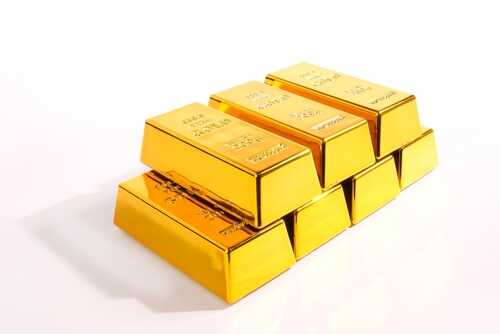
Global gold prices have skyrocketed to over $5,000 per ounce, sparking discussions about economic stability and investor confidence.
Story Highlights
- Gold exceeds $5,000/oz amid geopolitical unrest and inflation fears.
- Central banks and investors flock to gold as a safe-haven.
- BRICS nations lead in gold purchases, challenging U.S. dollar dominance.
- Potential long-term economic shifts with gold as a barometer of uncertainty.
Gold Prices Surpass $5,000 Amid Global Instability
On January 24, 2026, gold prices shattered records, reaching a historic $5,012.89 per ounce. This surge, driven by geopolitical tensions and inflation fears, marks a 45% year-to-date increase from 2025 lows. Factors such as escalating conflicts in the Middle East and U.S.-China trade tensions have prompted investors to seek refuge in gold, highlighting its role as a reliable safe-haven asset.
Central banks, particularly from BRICS nations, have been significant contributors to this trend, purchasing over $200 billion in gold in 2025 alone. This move reflects a strategic shift to diversify away from the U.S. dollar, underscoring a broader trend toward de-dollarization. The People’s Bank of China and Reserve Bank of India have been particularly active in bolstering their gold reserves, further intensifying global market dynamics.
Watch:
Impact of Rising Gold Prices
The surge in gold prices has profound implications for various sectors. While gold miners have experienced a boost in stocks, consumers face higher jewelry costs, leading to decreased demand in countries like India. Economically, the rising gold prices signal potential recession risks, with the inverted yield curve persisting as a red flag for financial stability.
Politically, the empowerment of BRICS nations through increased gold reserves highlights a shifting power dynamic that challenges Western economic dominance. As these nations gain leverage, the pressure mounts on the U.S. and its allies to adapt to these changing circumstances.
Future Outlook: Gold’s Role in a Changing World
Looking ahead, analysts predict that if geopolitical conflicts and economic uncertainty continue, gold prices could reach $6,000 by 2027. This potential trajectory emphasizes the critical role gold plays in the global economy as both a hedge against volatility and an indicator of broader market sentiments.
As the world navigates these complex dynamics, gold remains a pivotal asset, reflecting investor confidence and economic forecasts. Its continued rise not only impacts financial markets but also underscores shifting geopolitical alliances and economic strategies.
Sources: