
Flying in 2026 is shaping up to be a double hit for working Americans: higher fares at the same time reliability and comfort keep slipping.
Story Snapshot
- Industry forecasts show global demand still growing in 2026, but operating costs rising faster than revenues—pressure that typically lands on passengers through higher prices and more fees.
- U.S. airfare data already shows a notable year-over-year jump, even as airlines face ongoing disruptions from air-traffic staffing, IT problems, and airport constraints.
- Aircraft delivery backlogs and capacity discipline keep seats tighter, while some low-cost carriers signal cuts—another recipe for fewer bargains.
- Policy-driven cost add-ons, including Europe’s sustainable aviation fuel requirements, add expense to an industry already squeezed by labor and fuel volatility.
Costs Are Rising Faster Than Airlines Can Absorb
Industry outlooks for 2026 point to a familiar reality: airlines can only “eat” so much inflation before travelers pay the difference. Forecasts expect global passenger demand to keep expanding—roughly in the mid-single digits—yet key cost lines such as labor, maintenance, fuel, and ground handling are projected to climb briskly. When unit costs outpace unit revenues, carriers typically lean harder on higher base fares, seat fees, and ancillaries.
U.S. pricing signals already reflect that squeeze. One widely cited tracker reported airfares up about 7% year over year as of early 2026, a reminder that “inflation” is not just a Washington talking point—it shows up when families try to take a trip or visit grandchildren. Some forecasts for corporate travel also anticipate additional increases, which can bleed into the broader market as premium cabins and business-heavy routes influence pricing strategies.
Capacity Constraints Keep Bargains Scarce
Airfare pain is not only about fuel or wages; it is also about seats. Multiple 2026 outlooks highlight persistent aircraft delivery backlogs and supply-chain friction that limit how quickly airlines can add capacity. When demand rises but fleets do not expand fast enough, airlines gain pricing power—especially on peak days and popular routes. Add “capacity discipline” and planned reductions by certain low-cost operators, and the odds of finding plentiful bargain inventory get worse.
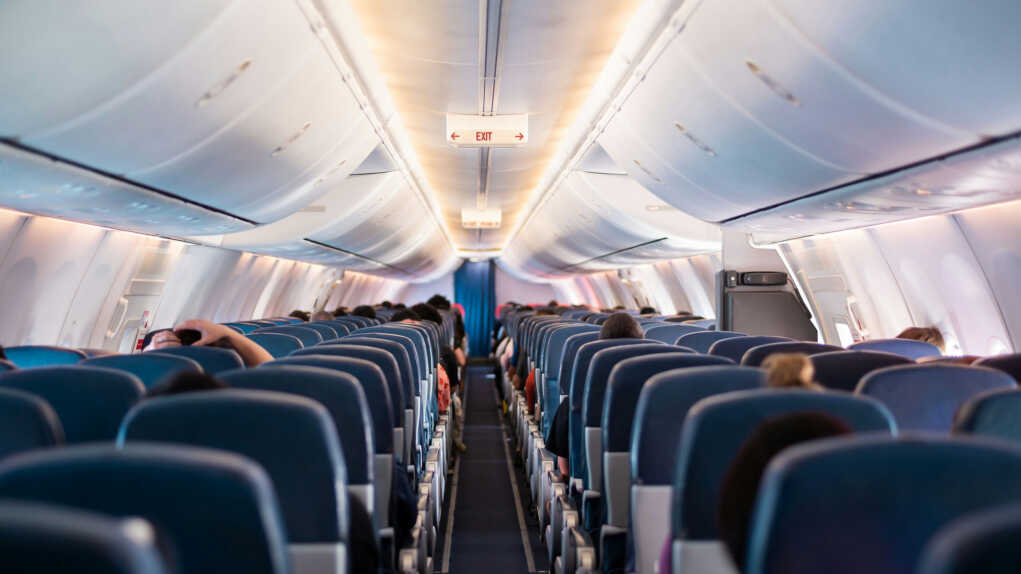
Manufacturers and regulators sit in the middle of this story. Production ramp-ups and safety oversight are necessary, but delays and bottlenecks still ripple through airline scheduling. When carriers cannot count on new aircraft arriving on time, they keep older planes longer, shuffle routes, and pad schedules—all of which can degrade the passenger experience. For travelers, this can mean tighter cabins, fewer flight options, and more last-minute rebooking when equipment changes hit.
Why Flying Feels Less Fun: Disruptions and Friction Multiply
Even if ticket prices were flat, the “fun” factor has been under pressure for years, and 2026 forecasts do not suggest a quick turnaround. Analysts continue to flag recurring operational weaknesses—air-traffic control staffing shortages, airport gate constraints, and periodic IT outages—that can cascade into delays and cancellations. Each disruption pushes passengers into longer lines, crowded terminals, and rebooking chaos, turning what should be a straightforward trip into an endurance test.
Regulatory Mandates Add Costs—And Travelers Notice
Decarbonization policies are another cost driver that does not stay confined to boardrooms. Europe’s sustainable aviation fuel requirements begin at low blends but are designed to scale dramatically over time, and compliance costs can filter into ticket prices and surcharges. At the same time, global volatility—trade uncertainty, tariff pressures, and geopolitical tensions affecting energy markets—creates the kind of cost spikes airlines rarely absorb quietly. In practice, consumers see it as “everything costs more.”
Airlines are not standing still: many are investing in AI tools to improve scheduling, maintenance planning, and disruption recovery. That may reduce some inefficiencies, but it is not a magic wand that creates more aircraft, more controllers, or cheaper fuel. For Americans who are still feeling the aftershocks of years of overspending and high living costs, the practical takeaway is simple: plan ahead, expect more add-on fees, and build buffer time into itineraries. Limited data exists on how much each factor will affect any single route, but the direction of travel is clear.
Sources:
Air Travel Outlook 2026: Revenues and Costs Are Rising
Air Travel Demand Growth Outlook Insights & Costs 2026
Air Travel Trends That Will Shape 2026
Will Airfare Prices Increase in 2026? What Experts Predict
Global Outlook for Air Transport (December 2025)
Plane Ticket Prices Increase Prediction
US Tariffs Affect Aviation Industry Growth and Costs